Amaryllidaceae
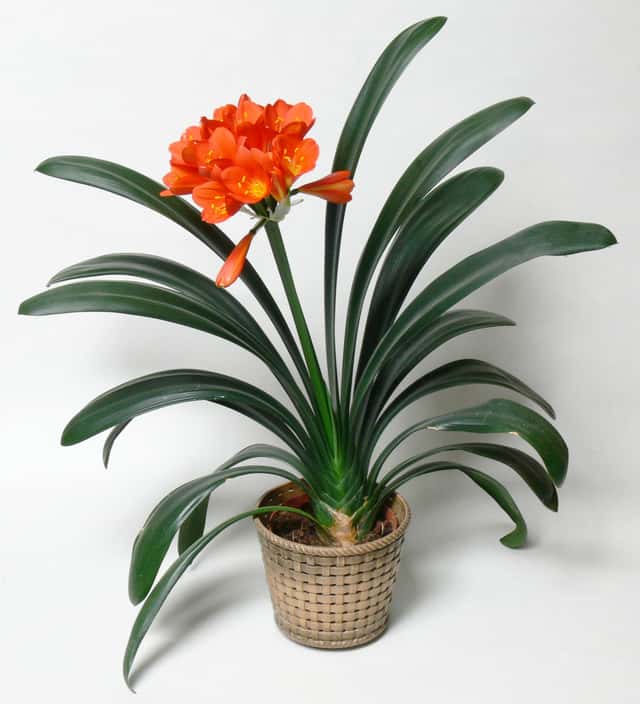
Bush Lily (Clivia miniata)
Clivia miniata
Easy-care shade-loving plant. Water sparingly, allowing soil to dry between waterings. Provide bright indirect light and a cool rest period in autumn to encourage blooming. Tolerant of neglect and drought.
Every 10 days
Partial shade
10° - 24°C
40% - 60%
Categories
What is Bush Lily?
Bush Lily (Clivia miniata) is a easy-care plant from the Amaryllidaceae family. Clivia miniata is an elegant evergreen perennial native to the shaded forests of South Africa's KwaZulu-Natal region. Known for its stunning clusters of trumpet-shaped orange flowers that bloom in late winter to early spring, it has become one of the most popular indoor flowering plants worldwide. I...
Bush Lily grows up to 60cm, spread of 45cm, watering every 10 days, 10°C – 24°C, 40–60% humidity. It is suitable for indoor environments and not safe for pets.
Unlike many tropical plants, Bush Lily tolerates watering mistakes. Best for beginners. Without precautions, ingestion can cause irritation in pets. Keep out of reach of cats and dogs. Without adequate drainage, root rot can develop within 20 days.
How to Care for Bush Lily?
TLDR: Bush Lily needs Partial shade, watering every 10 days, and temperatures between 10-24°C with 40-60% humidity.
How Often Should You Water Bush Lily?
Allow the top half of the soil to dry between waterings. Reduce watering significantly during the autumn-winter rest period. Overwatering is the most common cause of problems with Clivia.
How Much Light Does Bush Lily Need?
Thrives in bright indirect light. Avoid direct sunlight, which can scorch the leaves. A north-facing or shaded east/west window is ideal. Can tolerate lower light but may not bloom.
What Is the Best Soil for Bush Lily?
Use a well-draining potting mix. A blend of peat, perlite and bark works well. Clivia prefers to be slightly root-bound, so choose a snug pot with good drainage.
What Pot Should You Use for Bush Lily?
Use a sturdy ceramic or terracotta pot with drainage holes. Clivia prefers being root-bound, so avoid oversized pots. Repot only every 3-5 years when truly necessary.
Care Schedule
Fertilize
Every 30 days
Repot
Every 730 days
What Is Bush Lily and Where Does It Come From?
Clivia miniata is an elegant evergreen perennial native to the shaded forests of South Africa's KwaZulu-Natal region. Known for its stunning clusters of trumpet-shaped orange flowers that bloom in late winter to early spring, it has become one of the most popular indoor flowering plants worldwide. Its dark green, strap-shaped leaves form a graceful fan shape, providing year-round ornamental value even when not in bloom.
How to Propagate Bush Lily?
Division
Division is best done when repotting. Ensure each offset has its own root system for best success.
- 1 Wait until the plant has finished flowering
- 2 Remove the plant from its pot carefully
- 3 Separate offsets that have at least 3-4 leaves with roots attached
- 4 Pot each division in fresh well-draining soil
- 5 Water lightly and place in bright indirect light
Materials needed:
Seed propagation
Patience is key with seed propagation. Plants from seed take several years to reach blooming size.
- 1 Harvest ripe red berries and remove the fleshy coating
- 2 Soak seeds in water for 24 hours
- 3 Plant seeds just below the soil surface in moist seed-starting mix
- 4 Keep warm at 20-24C and consistently moist
- 5 Germination takes 4-6 weeks; first blooms may take 4-6 years
Materials needed:
How Big Does Bush Lily Grow?
TLDR: Bush Lily can reach up to 60cm tall with Slow growth rate.
Max height
60cm
Spread
45cm
Growth rate
Slow
Foliage
Evergreen
Warning: Toxic Plant
This plant can be toxic if ingested. Keep out of reach of:
Plant Uses
Ornamental
Great for decoration
Is your plant showing symptoms?
Click on the symptom to discover possible causes:
What Diseases Commonly Affect Bush Lily?
TLDR: Bush Lily is susceptible to 10 known diseases. Monitor regularly for early detection.
Root Rot
Root rot is a serious fungal disease that affects the root system of plants, causing them to decay and die. It is primarily caused by overwatering, poor drainage, or soil-borne fungi such as Pythium, Phytophthora, Rhizoctonia, and Fusarium. The disease thrives in waterlogged conditions where roots are deprived of oxygen, making them susceptible to fungal infection.
Crown Rot
Crown rot is a serious fungal disease that attacks the crown (base) of the plant where the stem meets the soil. It is caused by various fungal pathogens including Phytophthora, Fusarium, and Rhizoctonia. The disease thrives in waterlogged conditions and can quickly spread to kill the entire plant if not addressed promptly.
Mealybugs
Mealybugs are small, soft-bodied insects covered with a white, waxy, cottony material. They are common pests of houseplants and outdoor plants in mild climates. These sap-sucking insects feed on plant tissue, causing damage, stunted growth, and can lead to plant death if left untreated. They produce sticky honeydew which attracts sooty mold.
Scale Insects
Scale insects are small sap-sucking pests that appear as brown, shell-like bumps on plant stems and leaves. There are over 25 species, divided into armored (hard) and unarmored (soft) scales. They feed by piercing plant tissue and extracting sap, which weakens the plant and can lead to yellowing, stunted growth, and even death if left untreated. They also excrete honeydew, which attracts ants and promotes sooty mold growth.
Meaning & Symbolism
Symbolizes nobility, protection and endurance
Fun Facts
Clivia miniata can live for over 50 years with proper care
The plant was named after Lady Charlotte Clive, Duchess of Northumberland, a passionate plant collector
In South Africa, rare yellow and cream-colored Clivia varieties can sell for hundreds of dollars
A single Clivia plant can produce a cluster of 12-20 trumpet-shaped flowers
Frequently asked questions
How often should I water my Clivia?
Why is my Clivia not flowering?
Is Clivia toxic to pets?
When should I repot my Clivia?
Compare with similar plants
| Attribute | Difficulty | Light | Watering | Pet Safe |
|---|---|---|---|---|
| Field Maple | Easy | Bright indirect | 14d | ✓ |
| Silver Birch | Easy | Direct sun | 14d | ✓ |
| Common Blanketflower | Easy | Direct sun | 10d | ✓ |
| Cushion Bush | Easy | Direct sun | 14d | ✓ |





