Fabaceae
Butterfly Pea (Clitoria ternatea): Care & Growing Guide
Clitoria ternatea
Butterfly Pea is an easy-care plant for warm, sunny climates. It requires full sun, moderate watering, and well-draining soil. The vine grows quickly and blooms profusely during warm months. Once established, it tolerates drought well, making it ideal for low-maintenance gardens and trellises.
Every 5 days
Direct sun
15° - 40°C
50% - 80%
Categories
What is Butterfly Pea?
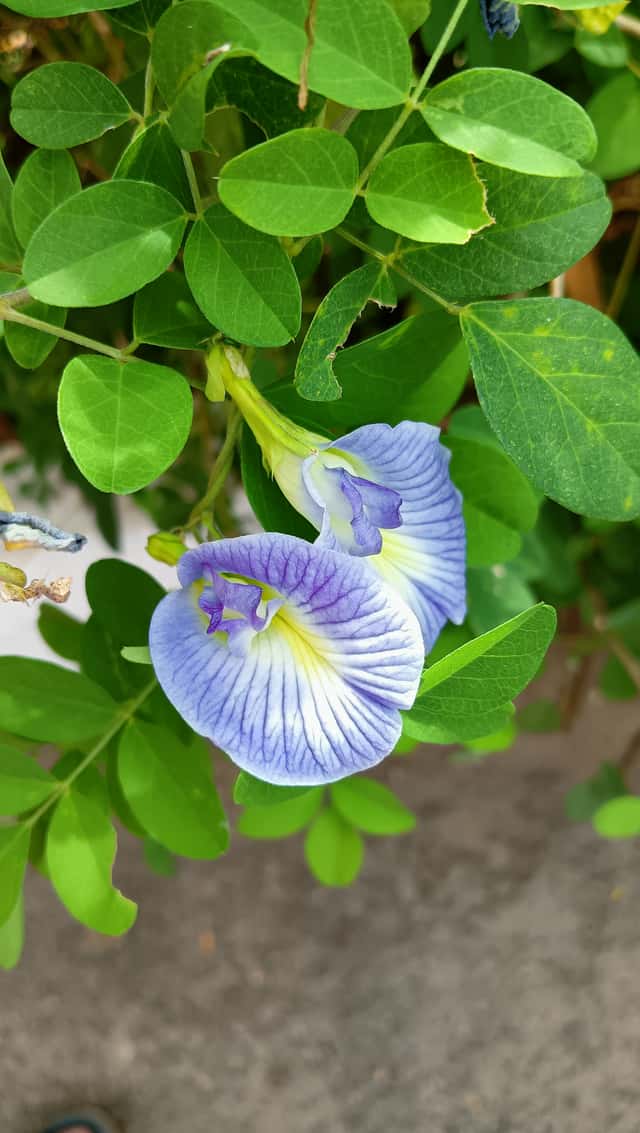
Butterfly Pea (Clitoria ternatea) is a easy-care plant from the Fabaceae family. Butterfly Pea (Clitoria ternatea) is a tropical climbing vine native to Southeast Asia, celebrated for its striking deep-blue butterfly-shaped flowers. It is widely grown as an ornamental, culinary, and medicinal plant. The flowers produce a natural blue pigment used in teas, foods, and beverages th...
Butterfly Pea grows up to 4.5m, with spread of 150cm, watering every 5 days, 15°C – 40°C, 50–80% humidity. It is not suitable for indoor environments and safe for pets.
Unlike many tropical plants, Butterfly Pea tolerates watering mistakes. Best for beginners. Unlike many popular species, Butterfly Pea is safe to keep around pets.
How to Care for Butterfly Pea?
TLDR: Butterfly Pea needs Direct sun, watering every 5 days, and temperatures between 15-40°C with 50-80% humidity.
How Often Should You Water Butterfly Pea?
Water every 4-6 days, allowing the top inch of soil to dry slightly between waterings. Avoid waterlogging as it can cause root rot. Once established, the plant tolerates short dry spells well.
How Much Light Does Butterfly Pea Need?
Plant in full sun with at least 6 hours of direct sunlight daily. Maximum blooming occurs in full sun exposure. In partial shade, the plant will grow but produce fewer flowers.
What Is the Best Soil for Butterfly Pea?
Use well-draining, fertile loamy soil with a pH between 6.0 and 7.5. The plant adapts to various soil types including clay, loam, and sand. Amend poor soils with organic compost to encourage vigorous growth.
What Pot Should You Use for Butterfly Pea?
Terracotta or ceramic pot with drainage holes. For climbing vines, garden beds with support structures (trellis, fence, or pergola) are preferred. In containers, choose pots at least 30 cm in diameter.
Care Schedule
Fertilize
Every 30 days
Repot
Every 365 days
What Is Butterfly Pea and Where Does It Come From?
Butterfly Pea (Clitoria ternatea) is a tropical climbing vine native to Southeast Asia, celebrated for its striking deep-blue butterfly-shaped flowers. It is widely grown as an ornamental, culinary, and medicinal plant. The flowers produce a natural blue pigment used in teas, foods, and beverages that turns purple when exposed to acidic ingredients. As a legume, it also fixes nitrogen, naturally enriching the soil.
How to Propagate Butterfly Pea?
Seed Sowing
Scarification significantly increases germination rates. Use fresh seeds for best results.
- 1 Scarify seeds with fine sandpaper or soak in warm water for 24 hours to improve germination
- 2 Sow in moist, well-draining seed-starting mix at 1 cm depth
- 3 Keep in a warm location at 20-25°C
- 4 Water lightly to keep substrate moist but not waterlogged
- 5 Transplant seedlings to final location when they reach 10-15 cm tall
Materials needed:
Stem Cutting
Maintain high humidity around the cutting. Avoid direct sunlight during rooting.
- 1 Cut a healthy stem 10-15 cm long with 2-3 nodes
- 2 Remove lower leaves, keeping only 2-3 leaves at the top
- 3 Apply rooting hormone to the cut end
- 4 Plant in moist, porous substrate
- 5 Keep in indirect light until roots develop
Materials needed:
How Big Does Butterfly Pea Grow?
TLDR: Butterfly Pea can reach up to 4.5m tall with Fast growth rate.
Max height
4.5m
Spread
1.5m
Growth rate
Fast
Foliage
Evergreen
Plant Uses
Ornamental
Great for decoration
Edible
Can be consumed
Medicinal
Medicinal properties
Medicinal Uses
- Used in traditional Asian medicine as a cognitive tonic and anxiolytic
- Flower extracts have demonstrated anti-inflammatory and antioxidant properties
- Studies suggest nootropic potential for improving memory and cognition
Culinary Uses
- Flowers used to naturally color teas, rice, desserts, and cocktails blue
- Butterfly pea tea changes color from blue to purple when acidic ingredients like lemon are added
- Commonly used in Thai, Malaysian, and Indonesian cuisines
Is your plant showing symptoms?
Click on the symptom to discover possible causes:
What Diseases Commonly Affect Butterfly Pea?
TLDR: Butterfly Pea is susceptible to 10 known diseases. Monitor regularly for early detection.
Powdery Mildew
Powdery mildew is a common fungal disease caused by various fungi species including Erysiphe, Podosphaera, Oïdium, and Leveillula. It affects over 10,000 plant species worldwide. The disease thrives in warm, dry climates with high humidity and appears as a distinctive white powdery coating on plant surfaces.
Root Rot
Root rot is a serious fungal disease that affects the root system of plants, causing them to decay and die. It is primarily caused by overwatering, poor drainage, or soil-borne fungi such as Pythium, Phytophthora, Rhizoctonia, and Fusarium. The disease thrives in waterlogged conditions where roots are deprived of oxygen, making them susceptible to fungal infection.
Leaf Spot
Leaf spot is a common fungal disease caused by various pathogens including Alternaria, Ascochyta, Colletotrichum, Septoria, and Venturia. It primarily affects leaves, causing discolored spots that can lead to premature leaf drop if left untreated.
Bacterial Blight
Bacterial blight is a serious plant disease caused by pathogenic bacteria that enters plants through wounds or natural openings. It spreads rapidly in warm, wet conditions and can cause significant damage to leaves, stems, and flowers. The bacteria are transmitted by water splash, contaminated tools, and insects.
Meaning & Symbolism
In Asian cultures, the butterfly pea flower symbolizes peace, tranquility, and feminine beauty. It is associated with longevity and health in various Southeast Asian traditions.
Fun Facts
Butterfly pea flowers contain anthocyanins that change from blue to purple as pH changes — the same principle as a natural pH indicator
As a legume, it fixes nitrogen from the air into the soil, naturally improving fertility wherever it grows
The flowers have been used for centuries in Ayurvedic medicine as a brain and memory tonic
In Thailand, butterfly pea flower tea (Nam Dok Anchan) is a traditional beverage sold nationwide
Frequently asked questions
How often should I water Butterfly Pea?
Does Butterfly Pea need full sun?
Are Butterfly Pea flowers edible?
How can I make Butterfly Pea grow faster?
Is Butterfly Pea cold hardy?
Compare with similar plants
| Attribute | Difficulty | Light | Watering | Pet Safe |
|---|---|---|---|---|
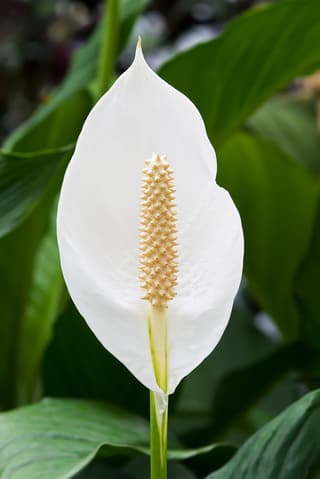
| Peace Lily | Easy | Low light | 4d | ⚠️ |
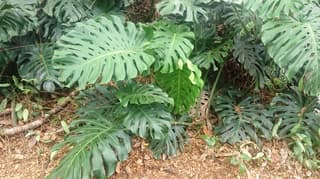
| Swiss Cheese Plant | Easy | Partial shade | 10d | ⚠️ |
| Golden Pothos | Easy | Low light | 8d | ⚠️ |
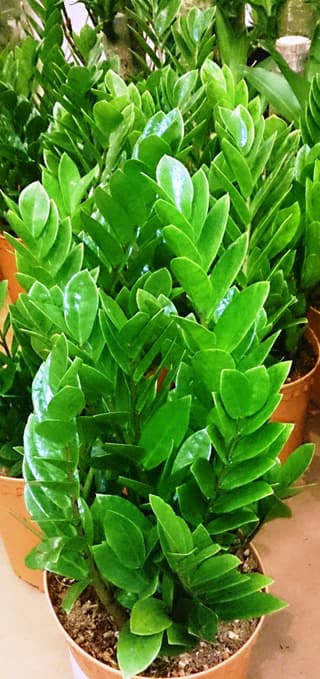
| ZZ Plant | Easy | Low light | 18d | ⚠️ |