Cucurbitaceae
Butternut Squash (Cucurbita moschata): Complete Growing Guide
Cucurbita moschata
Plant in full sun with at least 6–8 hours of direct sunlight daily. Water every 2–3 days, keeping the soil consistently moist but not waterlogged. Use rich, well-draining, organic soil with a pH between 6.0 and 6.8. Fertilize every 14 days for optimal fruit production. Best grown outdoors in garden beds or large containers.
Every 3 days
Direct sun
15° - 35°C
50% - 80%
Categories
What is Butternut Squash?
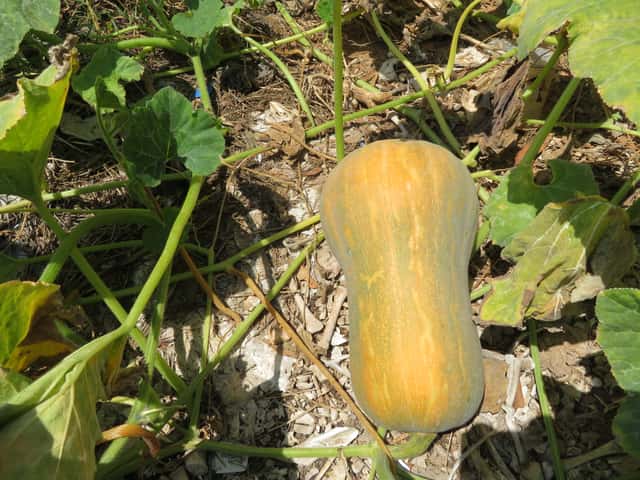
Butternut Squash (Cucurbita moschata) is a easy-care plant from the Cucurbitaceae family. Cucurbita moschata, commonly known as Butternut Squash or Butternut Pumpkin, is an annual vining cucurbit native to Central and South America. It produces tan-skinned, pear-shaped fruits with sweet, orange flesh that is rich in vitamin A, potassium, and dietary fiber. One of the most popular and wid...
Butternut Squash grows up to 60cm, with spread of 450cm, watering every 3 days, 15°C – 35°C, 50–80% humidity. It is not suitable for indoor environments and safe for pets.
Unlike many tropical plants, Butternut Squash tolerates watering mistakes. Best for beginners. Unlike many popular species, Butternut Squash is safe to keep around pets.
How to Care for Butternut Squash?
TLDR: Butternut Squash needs Direct sun, watering every 3 days, and temperatures between 15-35°C with 50-80% humidity.
How Often Should You Water Butternut Squash?
Water every 2–3 days, keeping the soil evenly moist but never soggy. Avoid wetting the foliage to reduce the risk of fungal diseases. Water at the base of the plant, ideally in the morning so leaves dry out during the day. Increase frequency during hot, dry spells.
How Much Light Does Butternut Squash Need?
Requires full sun — at least 6 to 8 hours of direct sunlight per day. This is an open-field plant that does not tolerate shade. Choose an unobstructed outdoor location with maximum sun exposure.
What Is the Best Soil for Butternut Squash?
Prefers rich, fertile, well-draining soil with plenty of organic matter. Ideal pH is between 6.0 and 6.8. Amend the soil with compost or aged manure before planting to improve fertility, structure, and moisture retention.
What Pot Should You Use for Butternut Squash?
Large containers (minimum 60 liters) with excellent drainage, or directly in raised garden beds or open soil. If container-grown, use a deep, wide planter with a trellis for support.
Care Schedule
Fertilize
Every 14 days
What Is Butternut Squash and Where Does It Come From?
Cucurbita moschata, commonly known as Butternut Squash or Butternut Pumpkin, is an annual vining cucurbit native to Central and South America. It produces tan-skinned, pear-shaped fruits with sweet, orange flesh that is rich in vitamin A, potassium, and dietary fiber. One of the most popular and widely cultivated squash varieties worldwide, it is prized for its culinary versatility, long storage life, and nutritional value.
How to Propagate Butternut Squash?
Direct Seeding
Plant only after the last frost date when soil temperature reaches at least 18 °C. Use certified disease-free seeds for best results. Direct seeding is preferred as transplants can suffer root disturbance.
- 1 Prepare soil by incorporating compost and ensure good drainage.
- 2 Sow 2–3 seeds per hill, 2–3 cm deep, spacing hills 1.5–2 m apart.
- 3 Keep soil moist until germination (7–14 days).
- 4 After germination, thin to the strongest seedling per hill.
- 5 Allow vines to sprawl or provide a trellis for vertical growing.
Materials needed:
How Big Does Butternut Squash Grow?
TLDR: Butternut Squash can reach up to 60cm tall with Fast growth rate.
Max height
60cm
Spread
4.5m
Growth rate
Fast
Foliage
Deciduous
Plant Uses
Edible
Can be consumed
Medicinal
Medicinal properties
Medicinal Uses
- High in vitamin A and antioxidants, supporting eye health and immune function.
- Rich dietary fiber content promotes digestive health and prevents constipation.
- High potassium levels support cardiovascular health and blood pressure regulation.
- Anti-inflammatory carotenoids in the orange flesh may help reduce chronic inflammation.
Culinary Uses
- Butternut squash soup
- Roasted butternut squash with honey and cinnamon
- Butternut squash puree
- Butternut squash risotto
- Squash pasta sauce
- Toasted squash seeds as a snack
Is your plant showing symptoms?
Click on the symptom to discover possible causes:
What Diseases Commonly Affect Butternut Squash?
TLDR: Butternut Squash is susceptible to 20 known diseases. Monitor regularly for early detection.
Powdery Mildew
Powdery mildew is a common fungal disease caused by various fungi species including Erysiphe, Podosphaera, Oïdium, and Leveillula. It affects over 10,000 plant species worldwide. The disease thrives in warm, dry climates with high humidity and appears as a distinctive white powdery coating on plant surfaces.
Downy Mildew
Downy mildew is a fungal-like disease caused by oomycetes (water molds) that thrives in cool, wet conditions. It affects a wide range of plants, causing yellowing leaves with fuzzy white-gray growth underneath, leading to defoliation and reduced yields if left untreated.
Anthracnose
Anthracnose is a fungal disease caused by fungi in the genus Colletotrichum that affects many plants, including vegetables, fruits, and trees. The disease thrives in cool, wet conditions, causing dark, sunken lesions on leaves, stems, flowers, and fruits.
Botrytis
Meaning & Symbolism
Symbolizes abundance, harvest prosperity, and resilience. In Native American traditions, it represents the balance between earth and sky and the wisdom of preparing for leaner seasons. Associated with autumn harvest festivals and gratitude for nature's bounty.
Fun Facts
Butternut squash was cultivated by pre-Columbian civilizations over 5,000 years ago in the Americas.
Each butternut squash fruit can weigh 1–3 kg and keep for up to 6 months when stored in a cool, dry place.
Male flowers appear first on the vine; female flowers emerge weeks later and are the ones that produce the fruit.
The deep orange flesh of butternut squash contains more vitamin A than most other vegetables.
Frequently asked questions
How long does butternut squash take to produce fruit?
How often should I water butternut squash?
Can butternut squash be grown in a container?
Is butternut squash toxic to pets?
What is the best fertilizer for butternut squash?
Compare with similar plants
| Attribute | Difficulty | Light | Watering | Pet Safe |
|---|---|---|---|---|
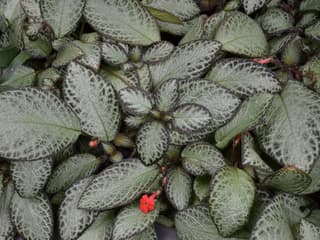
| Flame Violet | Easy | Partial shade | 7d | ✓ |
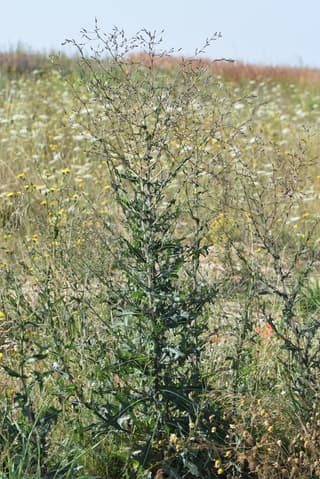
| Prickly Lettuce | Easy | Direct sun | 7d | ✓ |
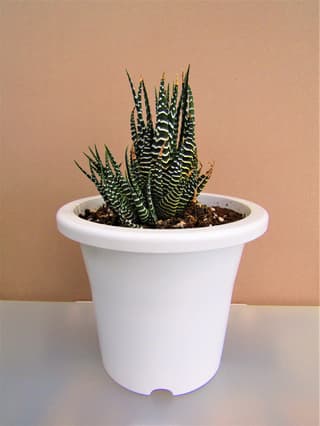
| Haworthiopsis (genus) | Easy | Partial shade | 14d | ✓ |
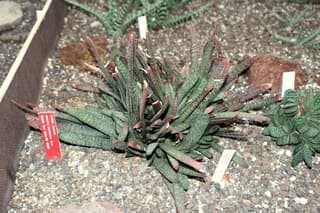
| Gasteria (genus) | Easy | Partial shade | 14d | ✓ |