Buxaceae
Common Boxwood — The Classic Evergreen Shrub for Formal Gardens
Buxus sempervirens
Common boxwood is a tough, low-maintenance plant that adapts to a wide range of conditions. It thrives in full sun, partial shade, or full shade. Water moderately, allowing the soil to dry slightly between waterings. Prune twice a year to maintain shape. Prefers well-draining, slightly alkaline soil. Apply organic fertilizer in spring and summer.
Every 10 days
Partial shade
-23° - 35°C
40% - 70%
Categories
What is Common boxwood?
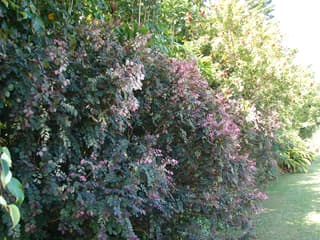
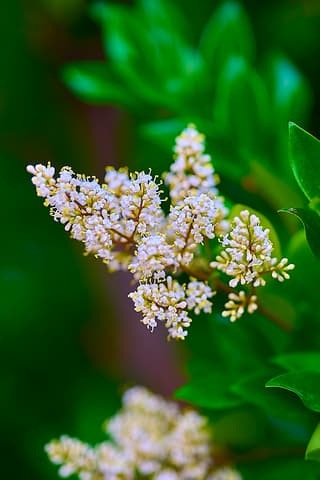
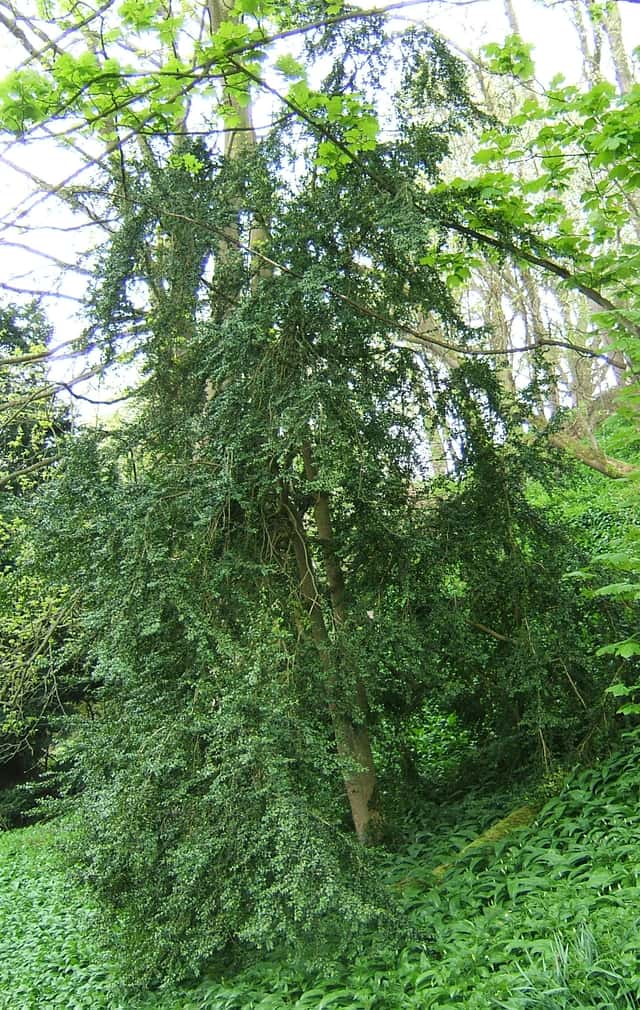
Common boxwood (Buxus sempervirens) is a easy-care plant from the Buxaceae family. Buxus sempervirens, commonly known as common boxwood or European box, is a slow-growing evergreen shrub or small tree native to southern Europe, northern Africa, and western Asia. Its dense, glossy, dark-green foliage makes it one of the most prized plants for formal gardens, hedging, and topiary. I...
Common boxwood grows up to 5.0m, spread of 500cm, watering every 10 days, -23°C – 35°C, 40–70% humidity. It is not suitable for indoor environments and not safe for pets.
Unlike many tropical plants, Common boxwood tolerates watering mistakes. Best for beginners. Without precautions, ingestion can cause irritation in pets. Keep out of reach of cats and dogs.
How to Care for Common boxwood?
TLDR: Common boxwood needs Partial shade, watering every 10 days, and temperatures between -23-35°C with 40-70% humidity.
How Often Should You Water Common boxwood?
Water every 7–10 days during summer, reducing to once a week in winter. Avoid waterlogging — boxwood tolerates brief dry spells but cannot tolerate standing water at the roots. For container-grown plants, always check soil moisture before watering.
How Much Light Does Common boxwood Need?
Boxwood tolerates full sun, partial shade, and full shade. In regions with very hot summers, a partially shaded position protects the foliage and maintains the deep green colour. In very bright spots, ensure consistent moisture to prevent leaf scorch.
What Is the Best Soil for Common boxwood?
Prefers well-draining, loose soil with adequate calcium content. In heavy clay soils, incorporate perlite or coarse sand to improve drainage. Ideal pH ranges from 5.5 to 8.0. For container planting, use a universal potting mix combined with perlite and grit.
What Pot Should You Use for Common boxwood?
Terracotta or ceramic pot with wide drainage hole. Container-grown boxwood requires more frequent watering and careful attention to drainage to prevent root rot.
Care Schedule
Fertilize
Every 42 days
Misting
Every 3 days
Rotate
Every 7 days
Repot
Every 365 days
What Is Common boxwood and Where Does It Come From?
Buxus sempervirens, commonly known as common boxwood or European box, is a slow-growing evergreen shrub or small tree native to southern Europe, northern Africa, and western Asia. Its dense, glossy, dark-green foliage makes it one of the most prized plants for formal gardens, hedging, and topiary. It can reach up to 5 metres in height under ideal conditions and is renowned for its exceptional longevity — some specimens live for centuries. Despite its ornamental appeal, all parts of the plant are toxic to humans and animals.
How Big Does Common boxwood Grow?
TLDR: Common boxwood can reach up to 5.0m tall with Slow growth rate.
Max height
5.0m
Spread
5.0m
Growth rate
Slow
Foliage
Evergreen
Warning: Toxic Plant
This plant can be toxic if ingested. Keep out of reach of:
Plant Uses
Ornamental
Great for decoration
Is your plant showing symptoms?
Click on the symptom to discover possible causes:
What Diseases Commonly Affect Common boxwood?
TLDR: Common boxwood is susceptible to 6 known diseases. Monitor regularly for early detection.
Calonectria pseudonaviculata
Phytophthora Root Rot
Disease caused by fungus-like organisms (oomycetes) that live in soil and can survive for years. It affects roots, stem, and crown of plants, being especially severe in waterlogged or poorly drained soils. It is the second most common cause of root rot in trees and shrubs.
Leafminers
Leafminers are the larvae of various insects including flies, moths, sawflies, and beetles that tunnel between leaf surfaces, creating distinctive serpentine trails or blotchy patches. While primarily cosmetic, severe infestations can weaken plants by reducing photosynthesis capacity and making them susceptible to secondary infections.
Scale Insects
Scale insects are small sap-sucking pests that appear as brown, shell-like bumps on plant stems and leaves. There are over 25 species, divided into armored (hard) and unarmored (soft) scales. They feed by piercing plant tissue and extracting sap, which weakens the plant and can lead to yellowing, stunted growth, and even death if left untreated. They also excrete honeydew, which attracts ants and promotes sooty mold growth.
Meaning & Symbolism
Boxwood has long symbolized eternity and immortality due to its evergreen nature and century-spanning lifespan. In ancient Roman and Greek culture, it was associated with the underworld and used in funerary rites. It also represents constancy and patience — virtues mirrored in its slow, deliberate growth.
Fun Facts
Common boxwood can live for over 600 years — certain specimens in Europe are considered natural heritage monuments.
Boxwood timber is among the densest and hardest in Europe, historically used to make chess pieces, rulers, and musical instruments.
The distinctive musky scent of wet boxwood leaves is what many gardeners associate with the classic smell of a traditional walled garden.
Frequently asked questions
Is boxwood toxic to pets?
How often should I prune boxwood?
Why is my boxwood turning brown?
Compare with similar plants
| Attribute | Difficulty | Light | Watering | Pet Safe |
|---|---|---|---|---|
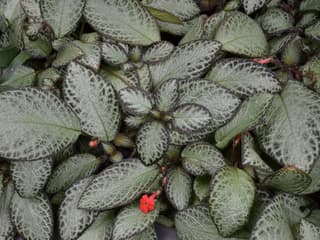
| Flame Violet | Easy | Partial shade | 7d | ✓ |
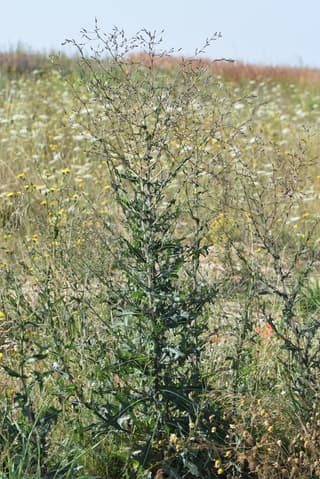
| Prickly Lettuce | Easy | Direct sun | 7d | ✓ |
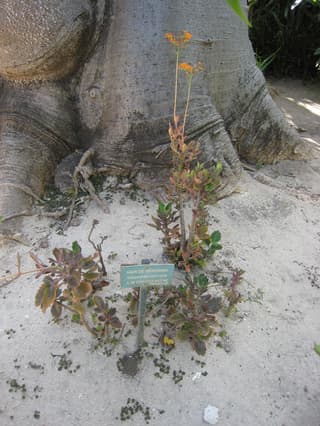
| Christmas Tree Plant | Easy | Bright indirect | 10d | ⚠️ |
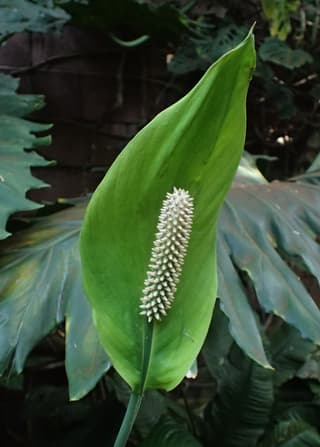
| Peace Lily | Easy | Low light | 7d | ⚠️ |