Malvaceae
Cacao tree: Edible Plant
Theobroma cacao
Requires strict tropical conditions: constant heat, very high atmospheric humidity, and nutrient-rich soil. It is sensitive to cold drafts and frost.
Every 7 days
Low light
18° - 32°C
70% - 100%
Categories
What is Cacao tree?
Cacao tree (Theobroma cacao) is a hard-care plant from the Malvaceae family. The cacao tree is a tropical evergreen tree native to the deep regions of the Amazon basin. It is world-renowned for producing the fruits whose seeds are processed to create chocolate. The plant exhibits a rare botanical phenomenon called cauliflory, where flowers and fruits grow directly from the t...
Cacao tree grows up to 7.6m, with spread of 300cm, watering every 7 days, 18°C – 32°C, 70–100% humidity. It is not suitable for indoor environments and not safe for pets.
Unlike easy-care plants, Cacao tree demands constant attention to humidity and light. Not recommended for beginners. Without precautions, ingestion can cause irritation in pets. Keep out of reach of cats and dogs.
How to Care for Cacao tree?
TLDR: Cacao tree needs Low light, watering every 7 days, and temperatures between 18-32°C with 70-100% humidity.
How Often Should You Water Cacao tree?
The soil should always be moist but never waterlogged. Slightly reduce watering if the temperature drops.
How Much Light Does Cacao tree Need?
Prefers bright filtered light. Avoid direct midday sun on young plants, as it can burn the large leaves.
What Is the Best Soil for Cacao tree?
Use a soil mix rich in organic matter (humus) with good moisture retention capacity, but that drains well.
What Pot Should You Use for Cacao tree?
Large, deep ceramic or terracotta pots with excellent drainage to accommodate the taproot.
Care Schedule
Fertilize
Every 180 days
Misting
Every 3 days
Repot
Every 730 days
What Is Cacao tree and Where Does It Come From?
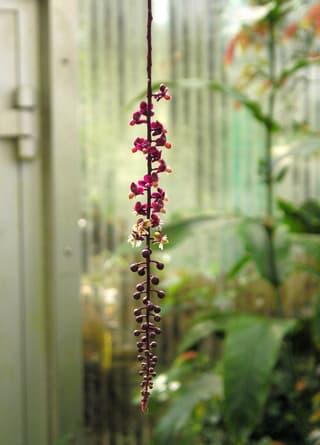
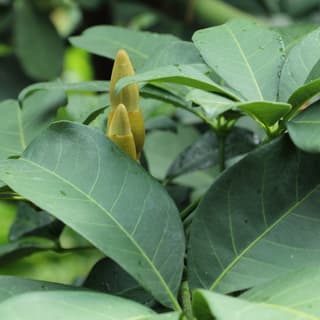
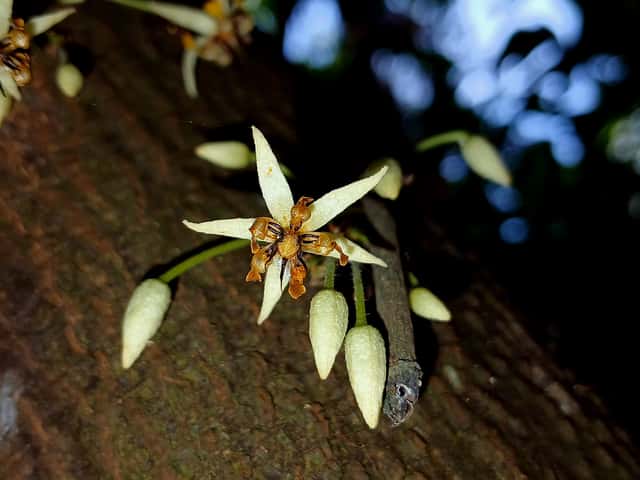
The cacao tree is a tropical evergreen tree native to the deep regions of the Amazon basin. It is world-renowned for producing the fruits whose seeds are processed to create chocolate. The plant exhibits a rare botanical phenomenon called cauliflory, where flowers and fruits grow directly from the trunk and main branches. Its leaves are large, leathery, and bright green, providing a lush appearance.
How to Propagate Cacao tree?
Sowing
- Do not let the seeds dry out before planting
- Use a heated propagator for best results
- 1 Extraction
Remove fresh seeds from the ripe fruit and clean the mucilaginous pulp.
- 2 Planting
Plant seeds immediately, as they lose viability quickly. Place them horizontally in moist soil.
- 3 Germination
Keep in a warm (25-30°C) and very humid place until the sprout emerges.
Materials needed:
Air Layering
- Keep the moss always moist
- Choose branches that receive good light
- 1 Incision
Make a ring cut on a healthy, woody branch.
- 2 Application
Apply rooting hormone and wrap the area with moist sphagnum moss.
- 3 Sealing
Cover with black plastic to maintain moisture and darkness.
Materials needed:
How Big Does Cacao tree Grow?
TLDR: Cacao tree can reach up to 7.6m tall with Fast growth rate.
Max height
7.6m
Spread
3.0m
Growth rate
Fast
Foliage
Evergreen
Warning: Toxic Plant
This plant can be toxic if ingested. Keep out of reach of:
Plant Uses
Edible
Can be consumed
Medicinal
Medicinal properties
Ornamental
Great for decoration
Medicinal Uses
- Antioxidant properties
- Improves cardiovascular health
- Natural stimulant (theobromine)
- Mood enhancement
Culinary Uses
- Chocolate production
- Cocoa butter
- Fresh fruit pulp
- Juices and jellies
- Cacao nibs
Is your plant showing symptoms?
Click on the symptom to discover possible causes:
What Diseases Commonly Affect Cacao tree?
TLDR: Cacao tree is susceptible to 11 known diseases. Monitor regularly for early detection.
Phytophthora Blight
Devastating fungal disease caused by Phytophthora species (primarily P. capsici and P. infestans), famously responsible for the Irish Potato Famine in the 1840s. Affects all plant parts including roots, stems, leaves, and fruits in warm, wet conditions. The pathogen is technically an oomycete (water mold) that thrives in saturated soils and can survive in soil for 5+ years.
Phytophthora Root Rot
Disease caused by fungus-like organisms (oomycetes) that live in soil and can survive for years. It affects roots, stem, and crown of plants, being especially severe in waterlogged or poorly drained soils. It is the second most common cause of root rot in trees and shrubs.
Root Rot
Root rot is a serious fungal disease that affects the root system of plants, causing them to decay and die. It is primarily caused by overwatering, poor drainage, or soil-borne fungi such as Pythium, Phytophthora, Rhizoctonia, and Fusarium. The disease thrives in waterlogged conditions where roots are deprived of oxygen, making them susceptible to fungal infection.
Mealybugs
Mealybugs are small, soft-bodied insects covered with a white, waxy, cottony material. They are common pests of houseplants and outdoor plants in mild climates. These sap-sucking insects feed on plant tissue, causing damage, stunted growth, and can lead to plant death if left untreated. They produce sticky honeydew which attracts sooty mold.
Meaning & Symbolism
Considered the 'food of the gods' by the Mayan and Aztec civilizations, symbolizing wealth, power, and spiritual connection.
Compare with similar plants
| Attribute | Difficulty | Light | Watering | Pet Safe |
|---|---|---|---|---|
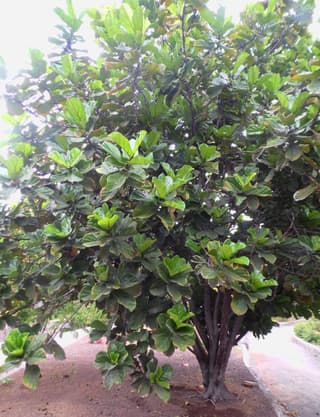
| Fiddle Leaf Fig | Hard | Bright indirect | 10d | ⚠️ |
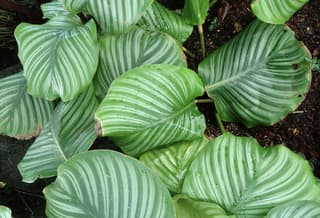
| Round-leaf Calathea | Hard | Partial shade | 7d | ✓ |
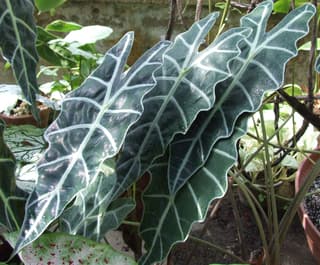
| African Mask Plant | Hard | Partial shade | 5d | ⚠️ |
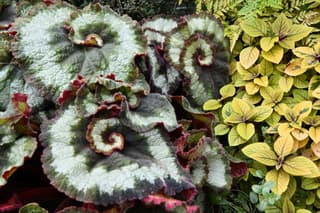
| Rex Begonia | Hard | Partial shade | 7d | ⚠️ |