Cactaceae
Pelecyphora - The Hatchet Cactus Care Guide
Pelecyphora
Pelecyphora thrives with neglect. Provide full direct sun, water sparingly every 3 weeks in the growing season, and keep completely dry in winter. Use a very well-draining sandy mineral mix. Avoid humidity and frost at all costs.
Every 21 days
Direct sun
5° - 35°C
10% - 30%
Categories
What is Hatchet Cactus?
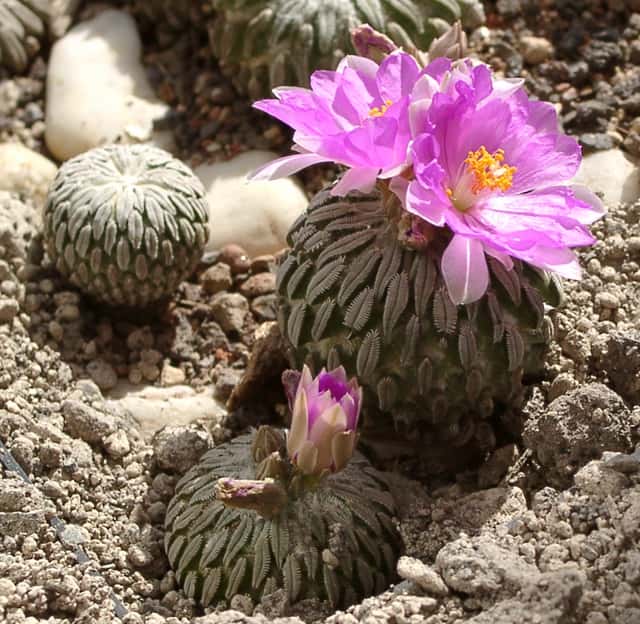
Hatchet Cactus (Pelecyphora) is a hard-care plant from the Cactaceae family. Pelecyphora is a genus of small, slow-growing Mexican cacti in the family Cactaceae, prized by collectors worldwide. Characterized by distinctive flattened tubercles resembling axe heads or woodlice, the most well-known species P. aselliformis (peyotillo) is native to San Luis Potosí, Mexico, and pr...
Hatchet Cactus grows up to 10cm, spread of 6cm, watering every 21 days, 5°C – 35°C, 10–30% humidity. It is suitable for indoor environments and safe for pets.
Unlike easy-care plants, Hatchet Cactus demands constant attention to humidity and light. Not recommended for beginners. Unlike many popular species, Hatchet Cactus is safe to keep around pets. Without adequate drainage, root rot can develop within 42 days.
How to Care for Hatchet Cactus?
TLDR: Hatchet Cactus needs Direct sun, watering every 21 days, and temperatures between 5-35°C with 10-30% humidity.
How Often Should You Water Hatchet Cactus?
Water every 3 weeks during spring and summer, letting the soil dry completely between waterings. Suspend all watering from mid-autumn through early spring to prevent root rot.
How Much Light Does Hatchet Cactus Need?
Requires bright direct sunlight, at least 3 to 6 hours per day. A south- or east-facing windowsill is ideal indoors. Insufficient light causes etiolation and loss of compact form.
What Is the Best Soil for Hatchet Cactus?
Use a fast-draining mineral mix: coarse sand or perlite (50-60%) combined with quality cactus substrate. Never use moisture-retaining mixes. Good drainage is the most critical factor.
What Pot Should You Use for Hatchet Cactus?
Unglazed terracotta or clay pots are strongly recommended. Their porous walls wick away excess moisture. Choose a pot only slightly larger than the plant with clear drainage holes.
Care Schedule
Fertilize
Every 90 days
Repot
Every 730 days
What Is Hatchet Cactus and Where Does It Come From?
Pelecyphora is a genus of small, slow-growing Mexican cacti in the family Cactaceae, prized by collectors worldwide. Characterized by distinctive flattened tubercles resembling axe heads or woodlice, the most well-known species P. aselliformis (peyotillo) is native to San Luis Potosí, Mexico, and produces violet-red flowers in spring and summer. Both P. aselliformis and P. strobiliformis are listed on CITES Appendix I, making international trade strictly regulated.
How to Propagate Hatchet Cactus?
Seed Propagation
Germination is very slow and requires patience. Temperatures of 20-25C improve germination rates. Grafting onto a vigorous rootstock significantly speeds up growth.
- 1 Sow seeds on the surface of a moistened mineral cactus mix
- 2 Cover container with a transparent lid to retain humidity
- 3 Place in a warm bright spot avoiding direct sun during germination
- 4 Once seedlings appear gradually introduce ventilation
- 5 Transplant seedlings individually once large enough to handle
Materials needed:
Grafting
Grafting dramatically accelerates the notoriously slow growth of Pelecyphora. Use clean sterilized tools to prevent infection.
- 1 Select a healthy fast-growing rootstock cactus such as Trichocereus
- 2 Make a clean horizontal cut on the rootstock
- 3 Cut the Pelecyphora scion flat at the base
- 4 Press the scion firmly onto the rootstock aligning the vascular rings
- 5 Secure with rubber bands and keep in a warm dry spot
Materials needed:
How Big Does Hatchet Cactus Grow?
TLDR: Hatchet Cactus can reach up to 10cm tall with Slow growth rate.
Max height
10cm
Spread
6cm
Growth rate
Slow
Foliage
Evergreen
Plant Uses
Ornamental
Great for decoration
Is your plant showing symptoms?
Click on the symptom to discover possible causes:
What Diseases Commonly Affect Hatchet Cactus?
TLDR: Hatchet Cactus is susceptible to 5 known diseases. Monitor regularly for early detection.
Root Rot
Root rot is a serious fungal disease that affects the root system of plants, causing them to decay and die. It is primarily caused by overwatering, poor drainage, or soil-borne fungi such as Pythium, Phytophthora, Rhizoctonia, and Fusarium. The disease thrives in waterlogged conditions where roots are deprived of oxygen, making them susceptible to fungal infection.
Mealybugs
Mealybugs are small, soft-bodied insects covered with a white, waxy, cottony material. They are common pests of houseplants and outdoor plants in mild climates. These sap-sucking insects feed on plant tissue, causing damage, stunted growth, and can lead to plant death if left untreated. They produce sticky honeydew which attracts sooty mold.
Spider Mites
Spider mites are tiny arachnids (less than 1/20 inch long) related to spiders and ticks that feed on plant sap. They thrive in hot, dry conditions and can cause significant damage to ornamental and vegetable plants. During severe infestations, crop losses can reach 14% or higher as these pests disrupt vital plant processes including photosynthesis, carbon dioxide absorption, and transpiration.
Aphids
Aphids are small, soft-bodied, pear-shaped insects (1/16 to 1/8 inch long) that feed by sucking nutrient-rich sap from plants. They reproduce rapidly and can quickly weaken plants, causing distorted growth and transmitting plant viruses. Aphids come in various colors including green, black, red, yellow, brown, and gray. They secrete honeydew, a sticky substance that attracts ants and encourages sooty mold growth.
Meaning & Symbolism
A rare and protected Mexican cactus representing the conservation of endangered desert flora. Symbol of resilience and scarcity.
Fun Facts
Pelecyphora grows less than 1 cm per year, one of the slowest-growing cacti in the world
P. aselliformis and P. strobiliformis are protected by CITES Appendix I restricting their international trade
Despite their tiny size under 10 cm these cacti can produce flowers up to 3 cm wide
Their flattened tubercles resemble woodlice or axe heads which inspired both their scientific and common names
Frequently asked questions
How often should I water Pelecyphora?
Does Pelecyphora need full sun?
Is Pelecyphora toxic to pets or humans?
Why is Pelecyphora so hard to find?
How do I repot Pelecyphora?
Compare with similar plants
| Attribute | Difficulty | Light | Watering | Pet Safe |
|---|---|---|---|---|
| Chilean Cacti | Easy | Direct sun | 14d | ✓ |
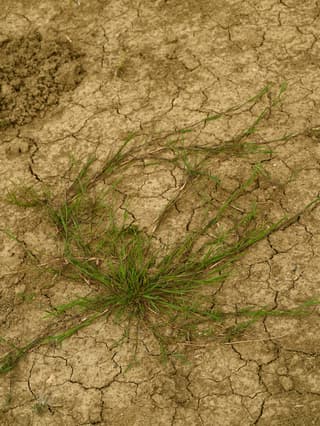
| Creeping bentgrass | Hard | Direct sun | 3d | ✓ |
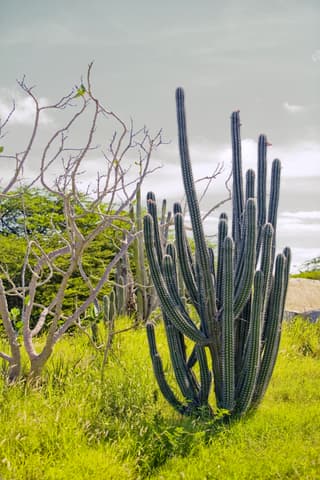
| Mexican Organ Pipe Cactus | Medium | Direct sun | 21d | ✓ |
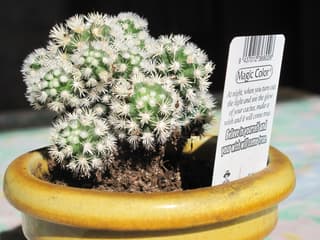
| Thimble Cactus | Easy | Direct sun | 14d | ✓ |