Aizoaceae
Purple Ice Plant: How to Grow and Care for Lampranthus productus
Lampranthus productus
An extremely low-maintenance plant: thrives in full sun, endures prolonged drought, and grows well in poor, sandy soils. Perfect for erosion control on slopes, rock gardens, and coastal landscapes. Produces spectacular purple-magenta blooms in winter and spring.
Every 14 days
Direct sun
-2° - 38°C
30% - 60%
Categories
What is Purple Ice Plant?
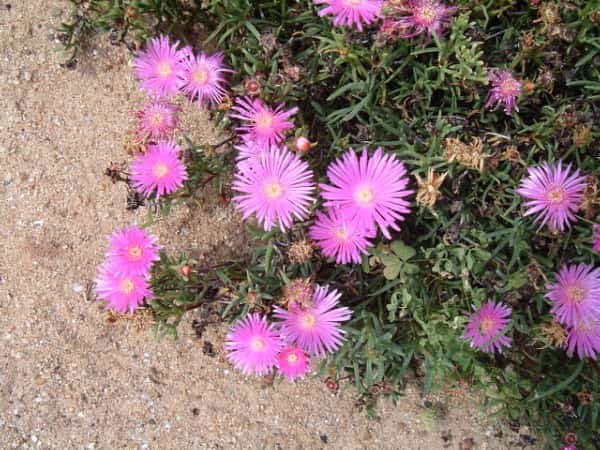
Purple Ice Plant (Lampranthus productus) is a easy-care plant from the Aizoaceae family. Lampranthus productus, commonly known as Purple Ice Plant, is a trailing succulent groundcover native to South Africa, belonging to the family Aizoaceae. It is celebrated for its spectacular magenta-purple daisy-like flowers with white centers that bloom profusely in winter and spring, covering the...
Purple Ice Plant grows up to 45cm, with spread of 90cm, watering every 14 days, -2°C – 38°C, 30–60% humidity. It is not suitable for indoor environments and safe for pets.
Unlike many tropical plants, Purple Ice Plant tolerates watering mistakes. Best for beginners. Unlike many popular species, Purple Ice Plant is safe to keep around pets.
How to Care for Purple Ice Plant?
TLDR: Purple Ice Plant needs Direct sun, watering every 14 days, and temperatures between -2-38°C with 30-60% humidity.
How Often Should You Water Purple Ice Plant?
Water deeply every 14 days, allowing soil to dry completely between waterings. Established plants can go weeks or even months without supplemental water. Avoid overwatering especially in winter, as root rot is the primary threat to this plant.
How Much Light Does Purple Ice Plant Need?
Requires full, intense sunlight — a minimum of 6 hours of direct sun daily. Without adequate light, the plant becomes leggy, stops flowering, and loses vigor. Place in the sunniest possible location.
What Is the Best Soil for Purple Ice Plant?
Prefers sandy, gritty, or well-draining soil, even nutrient-poor ground. Avoid clay or moisture-retentive soils. Amend with coarse sand or perlite to ensure fast drainage.
What Pot Should You Use for Purple Ice Plant?
Terra cotta or clay pots are ideal as they allow soil to dry faster. Ensure the pot has ample drainage holes. Avoid plastic pots that retain moisture.
What Is Purple Ice Plant and Where Does It Come From?
Lampranthus productus, commonly known as Purple Ice Plant, is a trailing succulent groundcover native to South Africa, belonging to the family Aizoaceae. It is celebrated for its spectacular magenta-purple daisy-like flowers with white centers that bloom profusely in winter and spring, covering the fleshy blue-green foliage entirely. Exceptionally drought-tolerant, heat-resistant, and capable of withstanding coastal salt air and wind, it is widely planted on slopes, banks, and sunny gardens throughout Mediterranean climates worldwide.
How to Propagate Purple Ice Plant?
Stem Cutting
Use sharp, clean tools. Do not overwater cuttings while rooting — excess moisture causes rot.
- 1 Cut a healthy 15 cm stem during spring or summer
- 2 Remove leaves from the base leaving only 2-3 at the top
- 3 Let the cutting dry for 1-2 days to allow the cut end to callous
- 4 Plant in sandy, slightly moist substrate
- 5 Keep in bright light without intense direct sun until rooted
Materials needed:
Seed
Seeds need warmth to germinate. Spring sowing yields best results.
- 1 Sow in well-draining sandy substrate
- 2 Maintain temperature above 16°C (60°F)
- 3 Lightly moisten the substrate
- 4 Cover with plastic film until germination
- 5 Remove cover after germination and gradually increase light
Materials needed:
How Big Does Purple Ice Plant Grow?
TLDR: Purple Ice Plant can reach up to 45cm tall with Medium growth rate.
Max height
45cm
Spread
90cm
Growth rate
Medium
Foliage
Evergreen
Plant Uses
Ornamental
Great for decoration
Ground Cover
Soil coverage
Is your plant showing symptoms?
Click on the symptom to discover possible causes:
What Diseases Commonly Affect Purple Ice Plant?
TLDR: Purple Ice Plant is susceptible to 7 known diseases. Monitor regularly for early detection.
Root Rot
Root rot is a serious fungal disease that affects the root system of plants, causing them to decay and die. It is primarily caused by overwatering, poor drainage, or soil-borne fungi such as Pythium, Phytophthora, Rhizoctonia, and Fusarium. The disease thrives in waterlogged conditions where roots are deprived of oxygen, making them susceptible to fungal infection.
Overwatering
Overwatering occurs when plants receive too much water, depriving roots of oxygen and causing root rot. This environmental stress is one of the most common causes of houseplant death, as waterlogged soil prevents roots from breathing and functioning properly.
Mealybugs
Mealybugs are small, soft-bodied insects covered with a white, waxy, cottony material. They are common pests of houseplants and outdoor plants in mild climates. These sap-sucking insects feed on plant tissue, causing damage, stunted growth, and can lead to plant death if left untreated. They produce sticky honeydew which attracts sooty mold.
Scale Insects
Scale insects are small sap-sucking pests that appear as brown, shell-like bumps on plant stems and leaves. There are over 25 species, divided into armored (hard) and unarmored (soft) scales. They feed by piercing plant tissue and extracting sap, which weakens the plant and can lead to yellowing, stunted growth, and even death if left untreated. They also excrete honeydew, which attracts ants and promotes sooty mold growth.
Meaning & Symbolism
Symbolizes abundance, resilience, and joy. Its profuse flowering represents beauty flourishing even in the harshest, most arid conditions.
Fun Facts
Lampranthus productus can produce thousands of flowers simultaneously, completely covering the foliage with a vivid purple carpet
This plant is exceptionally tolerant of coastal salt spray, making it one of the few succulents that thrives in wind-exposed seaside gardens
The flowers of the Purple Ice Plant only open in bright sunlight, closing at night and on cloudy days
Originally from South Africa, it has naturalized in Mediterranean climates around the world, including California, Spain, and Australia
Frequently asked questions
How often should I water the Purple Ice Plant?
Is the Purple Ice Plant toxic to pets?
Why is my Purple Ice Plant not blooming?
Can I grow Purple Ice Plant in a pot?
When does the Purple Ice Plant bloom?
Compare with similar plants
| Attribute | Difficulty | Light | Watering | Pet Safe |
|---|---|---|---|---|
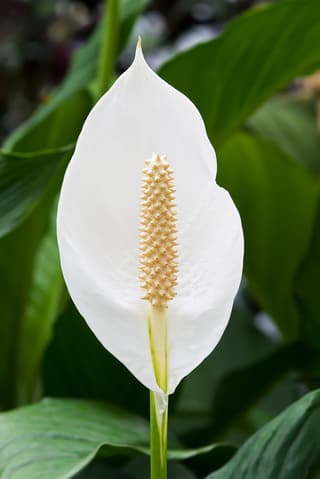
| Peace Lily | Easy | Low light | 4d | ⚠️ |
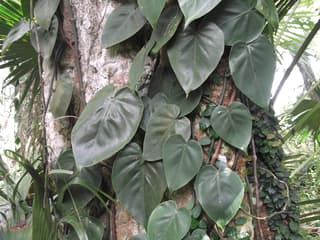
| Swiss Cheese Plant | Easy | Partial shade | 10d | ⚠️ |
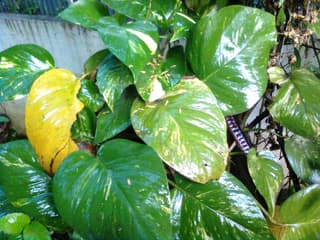
| Golden Pothos | Easy | Low light | 8d | ⚠️ |
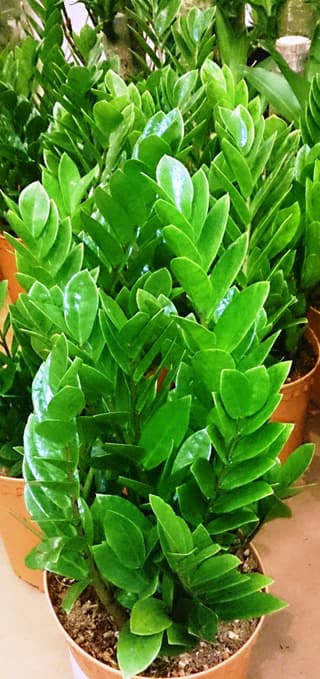
| ZZ Plant | Easy | Low light | 18d | ⚠️ |