Rosaceae
Callery Pear: Full Sun Plant
Pyrus calleryana
Extremely hardy and adaptable, this tree thrives in full sun and most soil types. It requires regular pruning to maintain structural integrity and prevent branch breakage.
Every 10 days
Direct sun
-26° - 38°C
20% - 80%
Categories
What is Callery Pear?
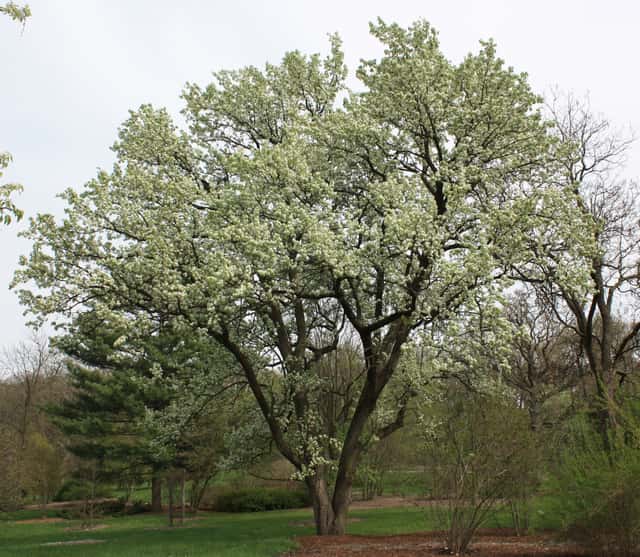
Callery Pear (Pyrus calleryana) is a easy-care plant from the Rosaceae family. Pyrus calleryana, known as the Callery pear, is a deciduous tree native to China and Vietnam. It is famous for its dense covering of white flowers in early spring and its glossy green leaves that turn brilliant shades of red, orange, and purple in the fall. While popular in landscaping for its fast...
Callery Pear grows up to 15.0m, with spread of 1500cm, watering every 10 days, -26°C – 38°C, 20–80% humidity. It is not suitable for indoor environments and not safe for pets.
Unlike many tropical plants, Callery Pear tolerates watering mistakes. Best for beginners. Without precautions, ingestion can cause irritation in pets. Keep out of reach of cats and dogs.
How to Care for Callery Pear?
TLDR: Callery Pear needs Direct sun, watering every 10 days, and temperatures between -26-38°C with 20-80% humidity.
How Often Should You Water Callery Pear?
Water young trees regularly to establish a deep root system; mature trees are quite drought-tolerant.
How Much Light Does Callery Pear Need?
Requires full sun to produce the best floral display and vibrant autumn foliage colors.
What Is the Best Soil for Callery Pear?
Very adaptable to different soil textures, including heavy clay, but prefers a pH between 5.0 and 7.5.
What Pot Should You Use for Callery Pear?
Not suitable for long-term container growth; should be planted in open ground with plenty of space for root expansion.
Care Schedule
Fertilize
Every 365 days
What Is Callery Pear and Where Does It Come From?
Pyrus calleryana, known as the Callery pear, is a deciduous tree native to China and Vietnam. It is famous for its dense covering of white flowers in early spring and its glossy green leaves that turn brilliant shades of red, orange, and purple in the fall. While popular in landscaping for its fast growth and symmetrical shape, it is increasingly considered an invasive species in many regions due to its ability to spread rapidly and outcompete native flora. The blossoms are also known for having a distinct, often pungent odor.
How to Propagate Callery Pear?
Seed Propagation
- Ensure seeds are cleaned of all fruit pulp before stratification to prevent rot.
- 1 Seed Collection
Harvest seeds from the small, pea-sized fruits in late autumn.
- 2 Cold Stratification
Place seeds in a moist medium and refrigerate for 60-90 days to break dormancy.
- 3 Sowing
Plant seeds in well-draining soil in early spring once the threat of frost has passed.
Materials needed:
Cleft Grafting
- Ensure the cambium layers of the scion and rootstock are perfectly aligned.
- 1 Rootstock Preparation
Select a healthy rootstock and make a vertical split in the center.
- 2 Scion Insertion
Insert a wedge-shaped scion from the desired cultivar into the split.
- 3 Sealing
Secure the graft with grafting tape and seal with wax to prevent moisture loss.
Materials needed:
How Big Does Callery Pear Grow?
TLDR: Callery Pear can reach up to 15.0m tall with Fast growth rate.
Max height
15.0m
Spread
15.0m
Growth rate
Fast
Foliage
Deciduous
Warning: Toxic Plant
This plant can be toxic if ingested. Keep out of reach of:
Plant Uses
Ornamental
Great for decoration
Is your plant showing symptoms?
Click on the symptom to discover possible causes:
What Diseases Commonly Affect Callery Pear?
TLDR: Callery Pear is susceptible to 9 known diseases. Monitor regularly for early detection.
Fire Blight
Fire blight is a highly destructive and contagious bacterial disease caused by Erwinia amylovora. It primarily affects plants in the Rosaceae family, including apple, pear, quince trees, and various ornamental plants. The disease can destroy an entire orchard in a single growing season under ideal conditions, with the bacterium moving approximately 11 inches per week in new growth.
Rust
Rust is a common fungal disease caused by fungi in the order Pucciniales that affects a wide variety of plants. The disease gets its name from the characteristic orange, yellow, or reddish-brown pustules that appear on leaves, resembling metal rust. This obligate fungal parasite requires living plants to survive and can cause significant economic losses in agricultural crops.
Aphids
Aphids are small, soft-bodied, pear-shaped insects (1/16 to 1/8 inch long) that feed by sucking nutrient-rich sap from plants. They reproduce rapidly and can quickly weaken plants, causing distorted growth and transmitting plant viruses. Aphids come in various colors including green, black, red, yellow, brown, and gray. They secrete honeydew, a sticky substance that attracts ants and encourages sooty mold growth.
Scale Insects
Scale insects are small sap-sucking pests that appear as brown, shell-like bumps on plant stems and leaves. There are over 25 species, divided into armored (hard) and unarmored (soft) scales. They feed by piercing plant tissue and extracting sap, which weakens the plant and can lead to yellowing, stunted growth, and even death if left untreated. They also excrete honeydew, which attracts ants and promotes sooty mold growth.
Meaning & Symbolism
Often represents resilience and the arrival of spring, though it has recently become a symbol of ecological concern regarding invasive species.
Compare with similar plants
| Attribute | Difficulty | Light | Watering | Pet Safe |
|---|---|---|---|---|
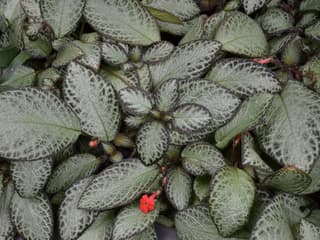
| Flame Violet | Easy | Partial shade | 7d | ✓ |
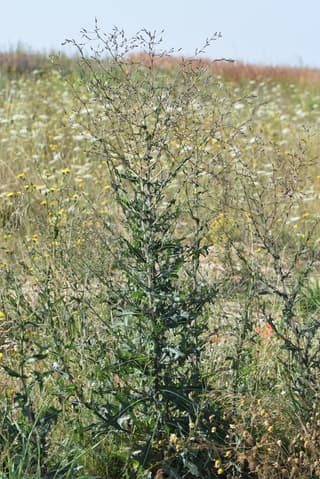
| Prickly Lettuce | Easy | Direct sun | 7d | ✓ |
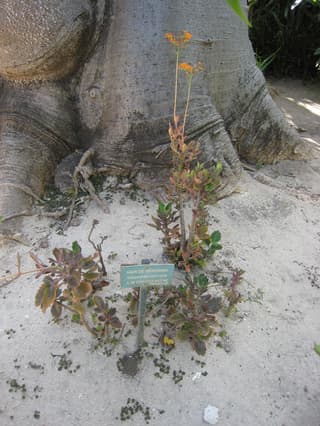
| Christmas Tree Plant | Easy | Bright indirect | 10d | ⚠️ |
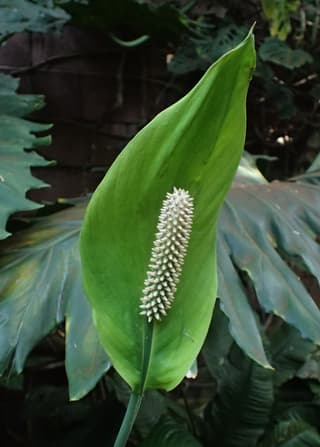
| Peace Lily | Easy | Low light | 7d | ⚠️ |