Lamiaceae
Bells of Ireland: How to Grow and Care for Moluccella laevis
Moluccella laevis
An easy-to-grow annual perfect for outdoor gardens and cut flower use. Prefers full sun, well-draining soil, and moderate watering. Hardy in a wide range of USDA zones (2-11), it grows quickly and blooms from summer to fall. Allow soil to dry slightly between waterings. Deer and rabbit resistant.
Every 7 days
Direct sun
4° - 28°C
40% - 60%
Categories
What is Bells of Ireland?
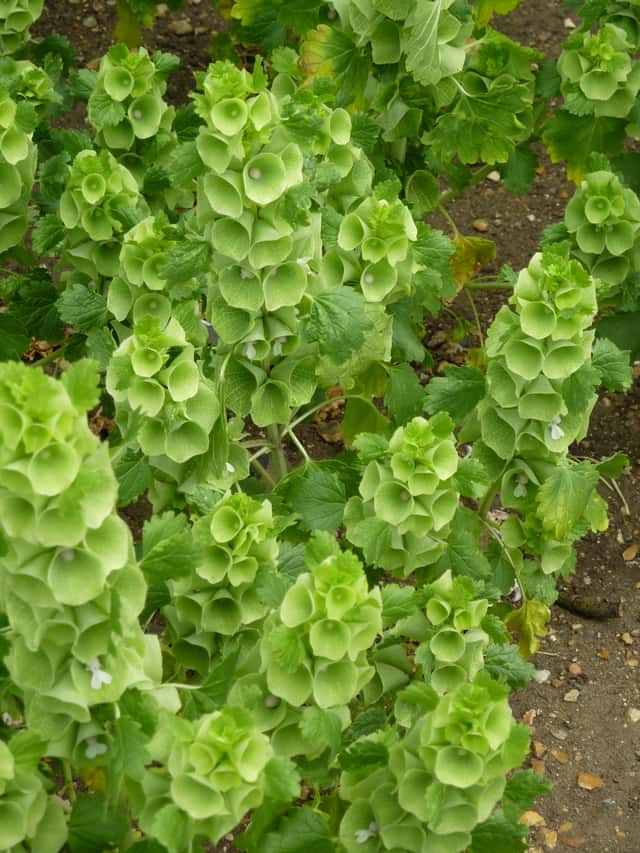
Bells of Ireland (Moluccella laevis) is a easy-care plant from the Lamiaceae family. Moluccella laevis, commonly known as Bells of Ireland, is an annual flowering plant native to western Asia (Turkey, Syria, Caucasus region). It produces tall, elegant spikes adorned with distinctive green, bell-shaped calyces encasing small white fragrant flowers. Despite its Irish name, it has no c...
Bells of Ireland grows up to 90cm, with spread of 45cm, watering every 7 days, 4°C – 28°C, 40–60% humidity. It is not suitable for indoor environments and safe for pets.
Unlike many tropical plants, Bells of Ireland tolerates watering mistakes. Best for beginners. Unlike many popular species, Bells of Ireland is safe to keep around pets.
How to Care for Bells of Ireland?
TLDR: Bells of Ireland needs Direct sun, watering every 7 days, and temperatures between 4-28°C with 40-60% humidity.
How Often Should You Water Bells of Ireland?
Water every 7 days, keeping the soil slightly moist but never waterlogged. Avoid wetting the foliage to prevent fungal diseases. During hot periods, check soil moisture more frequently.
How Much Light Does Bells of Ireland Need?
Requires full sun — at least 6 hours of direct sunlight daily. Plant in open, unshaded locations for straight stems and abundant blooms. Partial shade is tolerated but may result in leggy growth.
What Is the Best Soil for Bells of Ireland?
Use well-draining sandy or loamy soil with pH 6.0-8.0. Amend with compost to improve structure. Avoid compacted or waterlogged soils that promote root rot.
What Pot Should You Use for Bells of Ireland?
Tall terracotta or concrete pots for outdoor cultivation. Ensure adequate drainage holes to prevent waterlogging.
Care Schedule
Fertilize
Every 45 days
What Is Bells of Ireland and Where Does It Come From?
Moluccella laevis, commonly known as Bells of Ireland, is an annual flowering plant native to western Asia (Turkey, Syria, Caucasus region). It produces tall, elegant spikes adorned with distinctive green, bell-shaped calyces encasing small white fragrant flowers. Despite its Irish name, it has no connection to Ireland. Cultivated since 1570, it is prized in fresh and dried floral arrangements worldwide.
How to Propagate Bells of Ireland?
Direct sowing
Seeds need light to germinate — do not bury them deeply. For an early start, begin seeds indoors 8-10 weeks before the last frost date. Self-seeds freely if flower stems are left to dry.
- 1 Sow seeds directly in the garden after the last spring frost
- 2 Barely cover seeds as they require light to germinate
- 3 Keep soil moist during germination
- 4 Thin seedlings to 30-45 cm spacing
- 5 Refrigerate seeds for 2 weeks before sowing to improve germination rate
Materials needed:
How Big Does Bells of Ireland Grow?
TLDR: Bells of Ireland can reach up to 90cm tall with Medium growth rate.
Max height
90cm
Spread
45cm
Growth rate
Medium
Foliage
Deciduous
Plant Uses
Ornamental
Great for decoration
Is your plant showing symptoms?
Click on the symptom to discover possible causes:
What Diseases Commonly Affect Bells of Ireland?
TLDR: Bells of Ireland is susceptible to 8 known diseases. Monitor regularly for early detection.
Fusarium Wilt
Fusarium wilt is a serious fungal disease caused by the soil-borne fungus Fusarium oxysporum. The fungus invades roots and blocks the water-conducting vessels (xylem) of the plant, causing progressive wilting and eventual death. Host-specific forms of the pathogen exist that attack different plant species.
Rust
Rust is a common fungal disease caused by fungi in the order Pucciniales that affects a wide variety of plants. The disease gets its name from the characteristic orange, yellow, or reddish-brown pustules that appear on leaves, resembling metal rust. This obligate fungal parasite requires living plants to survive and can cause significant economic losses in agricultural crops.
Downy Mildew
Downy mildew is a fungal-like disease caused by oomycetes (water molds) that thrives in cool, wet conditions. It affects a wide range of plants, causing yellowing leaves with fuzzy white-gray growth underneath, leading to defoliation and reduced yields if left untreated.
Aphids
Aphids are small, soft-bodied, pear-shaped insects (1/16 to 1/8 inch long) that feed by sucking nutrient-rich sap from plants. They reproduce rapidly and can quickly weaken plants, causing distorted growth and transmitting plant viruses. Aphids come in various colors including green, black, red, yellow, brown, and gray. They secrete honeydew, a sticky substance that attracts ants and encourages sooty mold growth.
Meaning & Symbolism
Symbol of good luck and prosperity in many cultures, particularly in Irish tradition. Often used in wedding arrangements for good fortune.
Fun Facts
Despite the Irish name, Moluccella laevis is native to Turkey, Syria, and the Caucasus region
It has been cultivated as an ornamental plant since 1570
The plant attracts butterflies and pollinators to the garden
Dried stems retain their form for months and are extensively used in floral decoration
Frequently asked questions
How often should I water Bells of Ireland?
Are Bells of Ireland toxic to pets?
Where should I plant Bells of Ireland?
When do Bells of Ireland bloom?
How do I propagate Bells of Ireland?
Compare with similar plants
| Attribute | Difficulty | Light | Watering | Pet Safe |
|---|---|---|---|---|
| Peace Lily | Easy | Low light | 4d | ⚠️ |
| Swiss Cheese Plant | Easy | Partial shade | 10d | ⚠️ |
| Golden Pothos | Easy | Low light | 8d | ⚠️ |
| ZZ Plant | Easy | Low light | 18d | ⚠️ |