Convolvulaceae
Dwarf Morning Glory (Convolvulus tricolor): Complete Care Guide
Convolvulus tricolor
An easy-going, drought-tolerant annual that thrives in full sun and poor, well-draining soil. Water weekly and avoid overfeeding — too much fertilizer promotes foliage at the expense of flowers. Perfect for sunny borders, containers, and coastal gardens.
Every 7 days
Direct sun
10° - 38°C
30% - 60%
Categories
What is Dwarf Morning Glory?
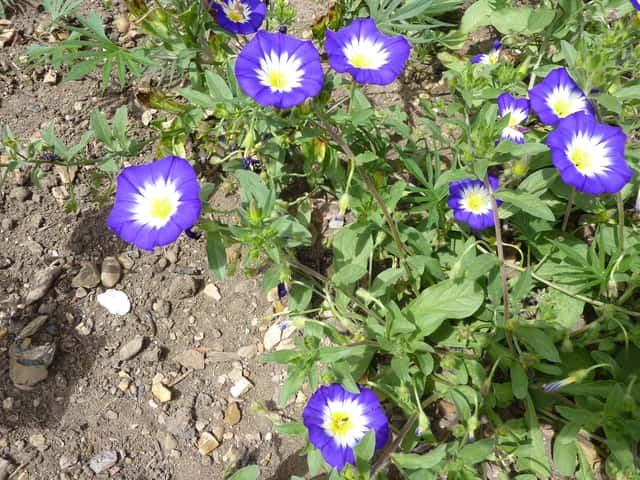
Dwarf Morning Glory (Convolvulus tricolor) is a easy-care plant from the Convolvulaceae family. Convolvulus tricolor, commonly known as Dwarf Morning Glory, is a compact annual plant native to the Mediterranean region. It produces stunning trumpet-shaped flowers with a characteristic tricolor pattern — deep blue or purple petals surrounding a white ring and bright yellow center. Each flower la...
Dwarf Morning Glory grows up to 30cm, with spread of 45cm, watering every 7 days, 10°C – 38°C, 30–60% humidity. It is not suitable for indoor environments and not safe for pets.
Unlike many tropical plants, Dwarf Morning Glory tolerates watering mistakes. Best for beginners. Without precautions, ingestion can cause irritation in pets. Keep out of reach of cats and dogs.
How to Care for Dwarf Morning Glory?
TLDR: Dwarf Morning Glory needs Direct sun, watering every 7 days, and temperatures between 10-38°C with 30-60% humidity.
How Often Should You Water Dwarf Morning Glory?
Water once a week, providing about 1 inch of water. Allow the soil to dry slightly between waterings. Convolvulus tricolor is drought tolerant, but consistent moisture encourages more prolific blooming. Avoid waterlogging, which can cause root rot.
How Much Light Does Dwarf Morning Glory Need?
Place in a spot that receives at least 6 hours of direct sunlight per day. Full sun is essential for abundant flowering. In very hot climates, some afternoon shade can be tolerated, but reduced sun significantly reduces flower production.
What Is the Best Soil for Dwarf Morning Glory?
Use light, well-draining soil — this plant actually thrives in poor, sandy, or rocky soil. Avoid rich, fertile mixes as they encourage leafy growth at the expense of flowers. A pH of 6.0–7.0 is ideal. Amend heavy clay soils with coarse sand to improve drainage.
What Pot Should You Use for Dwarf Morning Glory?
Terracotta pot or lightweight containers with drainage holes. Hanging baskets and window boxes are ideal for showcasing the trailing habit.
What Is Dwarf Morning Glory and Where Does It Come From?
Convolvulus tricolor, commonly known as Dwarf Morning Glory, is a compact annual plant native to the Mediterranean region. It produces stunning trumpet-shaped flowers with a characteristic tricolor pattern — deep blue or purple petals surrounding a white ring and bright yellow center. Each flower lasts only one day, but the plant blooms prolifically throughout summer, creating a continuous display of color in borders, containers, and ground cover plantings.
How to Propagate Dwarf Morning Glory?
Seed Sowing
Direct sowing is preferred as Convolvulus dislikes root disturbance. Deadhead spent flowers to prolong blooming season.
- 1 Sow seeds directly outdoors after the last frost, or start indoors 4-6 weeks earlier.
- 2 Soak seeds in warm water for 24 hours before sowing to improve germination.
- 3 Sow 1/4 inch deep in well-draining soil, spacing seeds 6-9 inches apart.
- 4 Keep soil moist until germination, then reduce watering.
- 5 Thin seedlings to avoid overcrowding once established.
Materials needed:
Softwood Cutting
Cuttings are less common than seed propagation for this species. Keep humidity high during rooting.
- 1 Take a 4-6 inch softwood cutting from a healthy, non-flowering stem in early spring.
- 2 Remove lower leaves and dip the cut end in rooting hormone.
- 3 Insert into a pot with moist, well-draining propagation mix.
- 4 Cover with a plastic bag or humidity dome and place in bright indirect light.
- 5 Once roots form (2-4 weeks), transplant to its final location.
Materials needed:
How Big Does Dwarf Morning Glory Grow?
TLDR: Dwarf Morning Glory can reach up to 30cm tall with Fast growth rate.
Max height
30cm
Spread
45cm
Growth rate
Fast
Foliage
Deciduous
Warning: Toxic Plant
This plant can be toxic if ingested. Keep out of reach of:
Plant Uses
Ornamental
Great for decoration
Ground Cover
Soil coverage
Is your plant showing symptoms?
Click on the symptom to discover possible causes:
What Diseases Commonly Affect Dwarf Morning Glory?
TLDR: Dwarf Morning Glory is susceptible to 6 known diseases. Monitor regularly for early detection.
Aphids
Aphids are small, soft-bodied, pear-shaped insects (1/16 to 1/8 inch long) that feed by sucking nutrient-rich sap from plants. They reproduce rapidly and can quickly weaken plants, causing distorted growth and transmitting plant viruses. Aphids come in various colors including green, black, red, yellow, brown, and gray. They secrete honeydew, a sticky substance that attracts ants and encourages sooty mold growth.
Spider Mites
Spider mites are tiny arachnids (less than 1/20 inch long) related to spiders and ticks that feed on plant sap. They thrive in hot, dry conditions and can cause significant damage to ornamental and vegetable plants. During severe infestations, crop losses can reach 14% or higher as these pests disrupt vital plant processes including photosynthesis, carbon dioxide absorption, and transpiration.
Powdery Mildew
Powdery mildew is a common fungal disease caused by various fungi species including Erysiphe, Podosphaera, Oïdium, and Leveillula. It affects over 10,000 plant species worldwide. The disease thrives in warm, dry climates with high humidity and appears as a distinctive white powdery coating on plant surfaces.
Root Rot
Root rot is a serious fungal disease that affects the root system of plants, causing them to decay and die. It is primarily caused by overwatering, poor drainage, or soil-borne fungi such as Pythium, Phytophthora, Rhizoctonia, and Fusarium. The disease thrives in waterlogged conditions where roots are deprived of oxygen, making them susceptible to fungal infection.
Meaning & Symbolism
Symbolizes joy, beauty, and the fleeting nature of life. Each flower lasts just one day, a reminder to appreciate ephemeral beauty.
Fun Facts
Each flower of Convolvulus tricolor lasts only one day, but the plant produces hundreds of blooms over the summer season.
Despite its name, Dwarf Morning Glory is not closely related to true Morning Glories (Ipomoea) — they simply share a similar flower shape.
This plant actually flowers better in poor soil — rich, fertile soil makes it grow more leaves at the expense of blooms.
The tricolor name refers to its distinctive flower pattern: a deep blue or purple outer ring, a white middle band, and a bright yellow center.
Frequently asked questions
How often should I water Dwarf Morning Glory?
Is Convolvulus tricolor toxic to pets?
Why is my Dwarf Morning Glory not flowering?
Can I grow Dwarf Morning Glory in a pot?
When do Dwarf Morning Glories bloom?
Compare with similar plants
| Attribute | Difficulty | Light | Watering | Pet Safe |
|---|---|---|---|---|
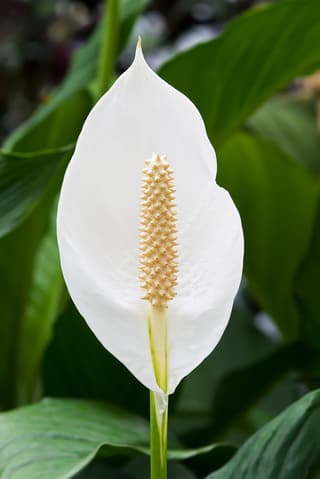
| Peace Lily | Easy | Low light | 4d | ⚠️ |
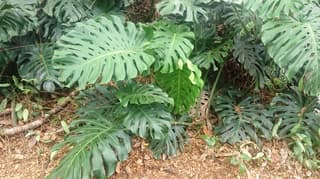
| Swiss Cheese Plant | Easy | Partial shade | 10d | ⚠️ |
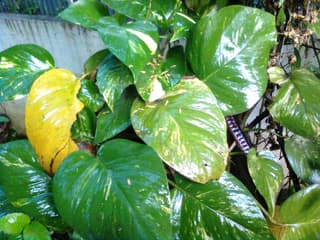
| Golden Pothos | Easy | Low light | 8d | ⚠️ |
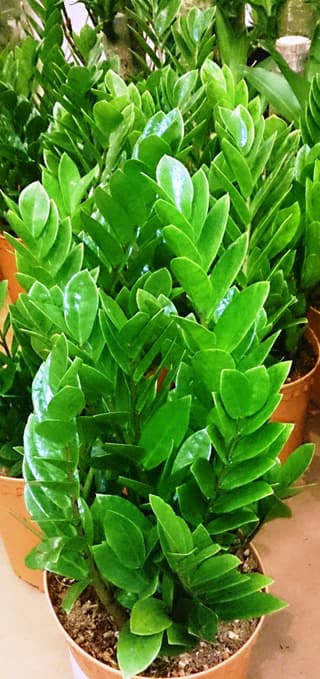
| ZZ Plant | Easy | Low light | 18d | ⚠️ |