Cannaceae
Canna Lily (Canna x generalis): Complete Care & Growing Guide
Canna x generalis
An easy-to-grow plant that thrives in full sun with regular watering. Prefers rich, well-draining organic soil. In colder climates, rhizomes must be dug up and stored over winter. Fertilize monthly during the growing season for best blooms.
Every 7 days
Direct sun
10° - 35°C
50% - 80%
Categories
What is Canna Lily?
Canna Lily (Canna x generalis) is a easy-care plant from the Cannaceae family. Canna Lily (Canna x generalis) is a hybrid herbaceous perennial widely cultivated in tropical and subtropical gardens worldwide. Resulting from crosses of various Canna species, it is renowned for its spectacular flowers in shades of red, orange, yellow, pink, and white, as well as its broad, orname...
Canna Lily grows up to 1.8m, with spread of 60cm, watering every 7 days, 10°C – 35°C, 50–80% humidity. It is not suitable for indoor environments and safe for pets.
Unlike many tropical plants, Canna Lily tolerates watering mistakes. Best for beginners. Unlike many popular species, Canna Lily is safe to keep around pets.
How to Care for Canna Lily?
TLDR: Canna Lily needs Direct sun, watering every 7 days, and temperatures between 10-35°C with 50-80% humidity.
How Often Should You Water Canna Lily?
Water every 7 days or whenever the top 2-3 inches of soil feel dry. During hot spells, more frequent watering may be needed. Avoid waterlogged soil to prevent root rot.
How Much Light Does Canna Lily Need?
Canna Lily needs at least 6 hours of direct sunlight per day to bloom abundantly. In partial shade, flowering will be reduced. Protect from strong winds that can damage the large leaves.
What Is the Best Soil for Canna Lily?
Prefers rich organic soil, well-draining, with pH between 6.0 and 7.0. Amend with compost or well-rotted manure to improve nutrition and moisture retention.
What Pot Should You Use for Canna Lily?
Large, deep containers (minimum 12-16 inches deep) to accommodate rhizomes. Ceramic or durable plastic work well. In gardens, plant directly in prepared beds.
Care Schedule
Fertilize
Every 30 days
Repot
Every 365 days
What Is Canna Lily and Where Does It Come From?
Canna Lily (Canna x generalis) is a hybrid herbaceous perennial widely cultivated in tropical and subtropical gardens worldwide. Resulting from crosses of various Canna species, it is renowned for its spectacular flowers in shades of red, orange, yellow, pink, and white, as well as its broad, ornamental leaves. It is one of the most popular ornamental plants in landscaping, especially in borders, poolside plantings, and tropical garden designs.
How to Propagate Canna Lily?
Rhizome Division
Use a sterilized knife to prevent disease transmission. Dust cut surfaces with powdered fungicide before planting.
- 1 Dig up the rhizome in early spring or after blooming ends
- 2 Divide the rhizome with a clean, sharp knife ensuring each section has at least one eye or bud
- 3 Allow sections to dry for a few hours to callous the cuts
- 4 Plant each section 4-6 inches deep in rich, moist soil
- 5 Water thoroughly and place in a bright location
Materials needed:
Seed Sowing
Germination can be irregular. Keep the mix moist but never soggy throughout the process.
- 1 Scarify seeds lightly with sandpaper or soak in warm water for 24 hours
- 2 Sow in moist, fertile seed-starting mix at 0.5-1 inch depth
- 3 Keep in a warm location (68-77°F) with good light
- 4 Transplant seedlings when they reach 4-6 inches tall
Materials needed:
How Big Does Canna Lily Grow?
TLDR: Canna Lily can reach up to 1.8m tall with Fast growth rate.
Max height
1.8m
Spread
60cm
Growth rate
Fast
Foliage
Deciduous
Plant Uses
Ornamental
Great for decoration
Is your plant showing symptoms?
Click on the symptom to discover possible causes:
What Diseases Commonly Affect Canna Lily?
TLDR: Canna Lily is susceptible to 11 known diseases. Monitor regularly for early detection.
Root Rot
Root rot is a serious fungal disease that affects the root system of plants, causing them to decay and die. It is primarily caused by overwatering, poor drainage, or soil-borne fungi such as Pythium, Phytophthora, Rhizoctonia, and Fusarium. The disease thrives in waterlogged conditions where roots are deprived of oxygen, making them susceptible to fungal infection.
Powdery Mildew
Powdery mildew is a common fungal disease caused by various fungi species including Erysiphe, Podosphaera, Oïdium, and Leveillula. It affects over 10,000 plant species worldwide. The disease thrives in warm, dry climates with high humidity and appears as a distinctive white powdery coating on plant surfaces.
Leaf Spot
Leaf spot is a common fungal disease caused by various pathogens including Alternaria, Ascochyta, Colletotrichum, Septoria, and Venturia. It primarily affects leaves, causing discolored spots that can lead to premature leaf drop if left untreated.
Rust
Rust is a common fungal disease caused by fungi in the order Pucciniales that affects a wide variety of plants. The disease gets its name from the characteristic orange, yellow, or reddish-brown pustules that appear on leaves, resembling metal rust. This obligate fungal parasite requires living plants to survive and can cause significant economic losses in agricultural crops.
Meaning & Symbolism
Symbol of tropical beauty and abundance; widely used to create vibrant, festive garden atmospheres.
Fun Facts
Canna x generalis is a 19th-century hybrid developed from crosses of several Canna species native to tropical and subtropical Americas
It can grow up to 6 feet tall in a single growing season
One of the few ornamental plants that tolerates temporarily waterlogged soil, making it ideal for pond-side and water garden plantings
Canna flowers attract hummingbirds and butterflies, making it excellent for wildlife-friendly gardens
Frequently asked questions
How often should I water Canna Lily?
Is Canna Lily toxic to pets?
Why is my Canna Lily not blooming?
How do I propagate Canna Lily?
Can Canna Lily survive frost?
Compare with similar plants
| Attribute | Difficulty | Light | Watering | Pet Safe |
|---|---|---|---|---|
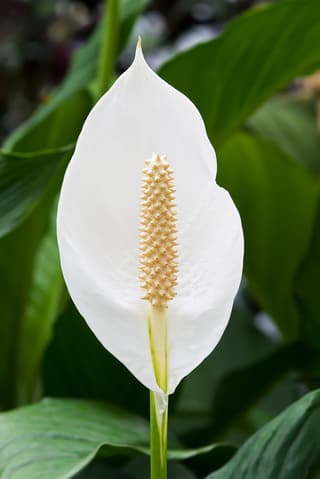
| Peace Lily | Easy | Low light | 4d | ⚠️ |
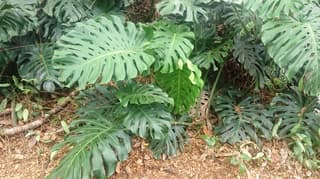
| Swiss Cheese Plant | Easy | Partial shade | 10d | ⚠️ |
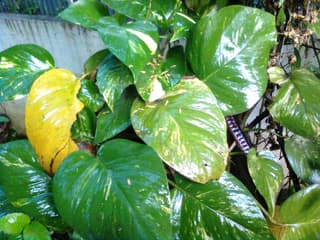
| Golden Pothos | Easy | Low light | 8d | ⚠️ |
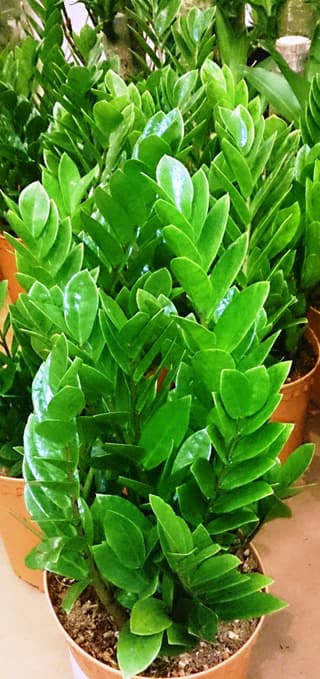
| ZZ Plant | Easy | Low light | 18d | ⚠️ |