Poaceae
Lemongrass (Cymbopogon citratus): Complete Care & Growing Guide
Cymbopogon citratus
Hardy, fast-growing plant. Requires full sun (5+ hours daily), watering every 2-3 days, and fertile well-draining soil. Highly resistant to pests. Suitable for large containers or garden beds.
Every 3 days
Direct sun
10° - 33°C
50% - 80%
Categories
What is Lemongrass?
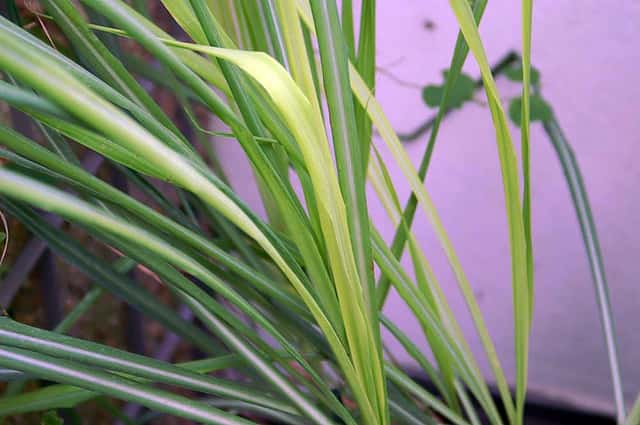
Lemongrass (Cymbopogon citratus) is a easy-care plant from the Poaceae family. Lemongrass (Cymbopogon citratus) is a tropical aromatic grass native to tropical Asia, widely cultivated for its intense citrus fragrance and its extensive culinary and medicinal applications. It forms dense clumps with long, slender leaves that can reach up to 1.8 m in height.
Lemongrass grows up to 1.8m, spread of 100cm, watering every 3 days, 10°C – 33°C, 50–80% humidity. It is not suitable for indoor environments and safe for pets.
Unlike many tropical plants, Lemongrass tolerates watering mistakes. Best for beginners. Unlike many popular species, Lemongrass is safe to keep around pets.
How to Care for Lemongrass?
TLDR: Lemongrass needs Direct sun, watering every 3 days, and temperatures between 10-33°C with 50-80% humidity.
How Often Should You Water Lemongrass?
Water every 2-3 days, ensuring the soil stays moist but never waterlogged. Water at the base of the plant to avoid wetting the foliage, which can encourage fungal disease. Reduce watering in cooler months.
How Much Light Does Lemongrass Need?
Lemongrass requires at least 5 hours of direct sunlight daily. More sun equals higher essential oil concentration and stronger aroma.
What Is the Best Soil for Lemongrass?
Use fertile loamy soil rich in organic matter with good drainage. Ideal pH between 5.0 and 6.5. Avoid compacted or waterlogged soils.
What Pot Should You Use for Lemongrass?
Clay or plastic pot at least 30 cm in diameter and depth to accommodate vigorous root growth and clump expansion.
Care Schedule
Fertilize
Every 30 days
What Is Lemongrass and Where Does It Come From?
Lemongrass (Cymbopogon citratus) is a tropical aromatic grass native to tropical Asia, widely cultivated for its intense citrus fragrance and its extensive culinary and medicinal applications. It forms dense clumps with long, slender leaves that can reach up to 1.8 m in height.
How to Propagate Lemongrass?
Clump Division
Divide in spring or early summer for best results. Keep roots moist throughout the process.
- 1 Remove the plant from its pot or dig around the clump
- 2 Separate side shoots with roots using your hands or a clean knife
- 3 Plant each division in its final location with fertile soil
- 4 Water thoroughly and keep in partial shade for a few days
Materials needed:
Seed Sowing
Germination is irregular. Clump division is the most reliable and fast method.
- 1 Sow seeds in trays with light moist substrate
- 2 Cover lightly with substrate
- 3 Keep in a warm, humid location
- 4 Transplant when seedlings reach 10 cm
Materials needed:
How Big Does Lemongrass Grow?
TLDR: Lemongrass can reach up to 1.8m tall with Fast growth rate.
Max height
1.8m
Spread
1.0m
Growth rate
Fast
Foliage
Evergreen
Plant Uses
Edible
Can be consumed
Medicinal
Medicinal properties
Aromatic
Pleasant fragrance
Medicinal Uses
- Calming and anxiolytic tea
- Natural antipyretic
- Diuretic
- Relief of abdominal cramps
- Natural anti-inflammatory
Culinary Uses
- Flavoring in soups, broths, and curries
- Aromatic base for chicken and fish marinades
- Herbal teas and infusions
- Essential oil for dish aromatization
- Tropical drinks and lemonades
Is your plant showing symptoms?
Click on the symptom to discover possible causes:
What Diseases Commonly Affect Lemongrass?
TLDR: Lemongrass is susceptible to 9 known diseases. Monitor regularly for early detection.
Rust
Rust is a common fungal disease caused by fungi in the order Pucciniales that affects a wide variety of plants. The disease gets its name from the characteristic orange, yellow, or reddish-brown pustules that appear on leaves, resembling metal rust. This obligate fungal parasite requires living plants to survive and can cause significant economic losses in agricultural crops.
Leaf Spot
Leaf spot is a common fungal disease caused by various pathogens including Alternaria, Ascochyta, Colletotrichum, Septoria, and Venturia. It primarily affects leaves, causing discolored spots that can lead to premature leaf drop if left untreated.
Anthracnose
Anthracnose is a fungal disease caused by fungi in the genus Colletotrichum that affects many plants, including vegetables, fruits, and trees. The disease thrives in cool, wet conditions, causing dark, sunken lesions on leaves, stems, flowers, and fruits.
Root-Knot Nematodes
Root-knot nematodes (Meloidogyne species) are microscopic roundworms that parasitize plant roots, causing characteristic galls or knots. These soil-borne pests are among the most economically damaging plant pathogens worldwide, affecting a wide range of ornamental and edible plants. The nematodes inject enzymes into root cells, causing abnormal swelling and disrupting water and nutrient uptake.
Meaning & Symbolism
Symbolizes freshness, healing, and protection across tropical cultures. Associated with relaxation and wellness in herbal traditions.
Fun Facts
Lemongrass can reach 1.8 meters tall and form clumps over 1 meter wide
The essential oil (citral) is widely used in perfumery, aromatherapy, and natural repellents
It is one of the most widely used herbs in Southeast Asian cuisine, found in Thai, Vietnamese, and Indonesian dishes
Lemongrass is also known as "fever grass" in the Caribbean due to its traditional use as a fever remedy
Frequently asked questions
How often should I water lemongrass?
How much sun does lemongrass need?
Is lemongrass toxic to pets?
How do I propagate lemongrass?
Can lemongrass grow in a pot?
Compare with similar plants
| Attribute | Difficulty | Light | Watering | Pet Safe |
|---|---|---|---|---|
| Field Maple | Easy | Bright indirect | 14d | ✓ |
| Silver Birch | Easy | Direct sun | 14d | ✓ |
| Cushion Bush | Easy | Direct sun | 14d | ✓ |
| Peruvian peppertree | Easy | Direct sun | 14d | ⚠️ |





