Poaceae
Vetiver (Chrysopogon zizanioides)
Chrysopogon zizanioides
Vetiver is extremely resilient and low-maintenance. It thrives in full sun and well-drained soils. Once established, it withstands prolonged drought and needs minimal watering. Avoid waterlogging. Fertilize every 90 days during the growing season.
Every 14 days
Direct sun
10° - 45°C
40% - 80%
Categories
What is Vetiver?
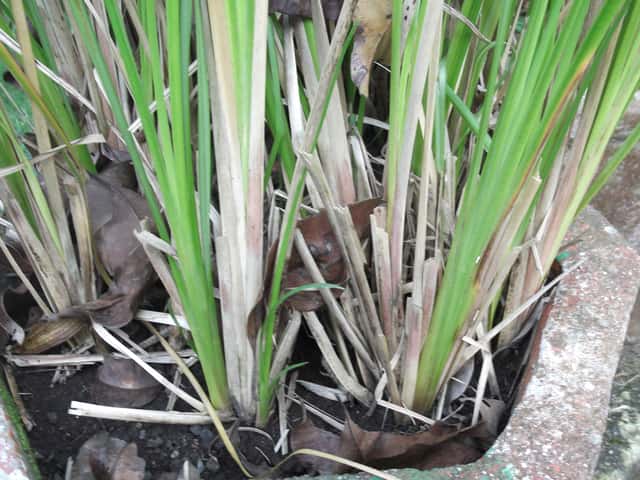
Vetiver (Chrysopogon zizanioides) is a easy-care plant from the Poaceae family. Vetiver (Chrysopogon zizanioides) is a robust perennial grass native to India, widely cultivated across tropical and subtropical regions worldwide. It forms dense clumps with long, stiff, aromatic leaves and a unique deep root system that grows vertically 3–4 meters into the ground. One of the world...
Vetiver grows up to 3.0m, with spread of 150cm, watering every 14 days, 10°C – 45°C, 40–80% humidity. It is not suitable for indoor environments and safe for pets.
Unlike many tropical plants, Vetiver tolerates watering mistakes. Best for beginners. Unlike many popular species, Vetiver is safe to keep around pets.
How to Care for Vetiver?
TLDR: Vetiver needs Direct sun, watering every 14 days, and temperatures between 10-45°C with 40-80% humidity.
How Often Should You Water Vetiver?
Water every 10–14 days, allowing soil to dry between waterings. After establishment (8–12 weeks), the plant tolerates drought without issues. Avoid overwatering — waterlogged soil can cause root rot.
How Much Light Does Vetiver Need?
Requires full direct sun — place outdoors with at least 6 hours of direct sunlight daily. Does not tolerate shade and grows best with intense light.
What Is the Best Soil for Vetiver?
Use well-draining, aerated soil. Adapts to sandy, clay, and even poor soils, but prefers pH between 6.0 and 7.5. Mix coarse sand or perlite to ensure good drainage.
What Pot Should You Use for Vetiver?
Clay or cement pots are ideal for container growing as they allow good drainage and prevent moisture buildup at the roots. Choose a pot at least 60 cm deep.
Care Schedule
Fertilize
Every 90 days
What Is Vetiver and Where Does It Come From?
Vetiver (Chrysopogon zizanioides) is a robust perennial grass native to India, widely cultivated across tropical and subtropical regions worldwide. It forms dense clumps with long, stiff, aromatic leaves and a unique deep root system that grows vertically 3–4 meters into the ground. One of the world's most versatile plants, it controls erosion, purifies water, yields a precious essential oil used in perfumery, and has a millennia-long medicinal tradition.
How to Propagate Vetiver?
Clump Division
Divide in spring or early summer. Keep slips moist before planting and water well in the first days after transplanting.
- 1 Select a mature clump at least 15 months old
- 2 Divide into individual slips with 15–20 cm of leaves and 5 cm of roots
- 3 Trim the leaves by half to reduce transpiration
- 4 Plant directly in the ground or in a pot with moist substrate
- 5 Water abundantly for the first 15 days to help establishment
Materials needed:
How Big Does Vetiver Grow?
TLDR: Vetiver can reach up to 3.0m tall with Fast growth rate.
Max height
3.0m
Spread
1.5m
Growth rate
Fast
Foliage
Evergreen
Plant Uses
Ornamental
Great for decoration
Medicinal
Medicinal properties
Aromatic
Pleasant fragrance
Ground Cover
Soil coverage
Medicinal Uses
- Roots used as a natural sedative, diuretic, and tonic in Ayurvedic medicine
- Essential oil applied in aromatherapy to reduce anxiety and stress
- Traditionally used as an insect repellent
Culinary Uses
- Khus syrup used in refreshing Indian beverages
- Roots used to flavor water and desserts in South Asia
Is your plant showing symptoms?
Click on the symptom to discover possible causes:
What Diseases Commonly Affect Vetiver?
TLDR: Vetiver is susceptible to 6 known diseases. Monitor regularly for early detection.
Root Rot
Root rot is a serious fungal disease that affects the root system of plants, causing them to decay and die. It is primarily caused by overwatering, poor drainage, or soil-borne fungi such as Pythium, Phytophthora, Rhizoctonia, and Fusarium. The disease thrives in waterlogged conditions where roots are deprived of oxygen, making them susceptible to fungal infection.
Overwatering
Overwatering occurs when plants receive too much water, depriving roots of oxygen and causing root rot. This environmental stress is one of the most common causes of houseplant death, as waterlogged soil prevents roots from breathing and functioning properly.
Root-Knot Nematodes
Root-knot nematodes (Meloidogyne species) are microscopic roundworms that parasitize plant roots, causing characteristic galls or knots. These soil-borne pests are among the most economically damaging plant pathogens worldwide, affecting a wide range of ornamental and edible plants. The nematodes inject enzymes into root cells, causing abnormal swelling and disrupting water and nutrient uptake.
Rust
Rust is a common fungal disease caused by fungi in the order Pucciniales that affects a wide variety of plants. The disease gets its name from the characteristic orange, yellow, or reddish-brown pustules that appear on leaves, resembling metal rust. This obligate fungal parasite requires living plants to survive and can cause significant economic losses in agricultural crops.
Meaning & Symbolism
In Indian tradition, vetiver (khus) symbolizes purification, freshness, and protection. It is considered a grounding plant, bringing balance, calm, and connection with nature.
Fun Facts
Vetiver is present in approximately 90% of Western perfumes, earning it the nickname 'the green gold of India'
Its roots grow vertically up to 4 meters deep, unlike most grasses that spread horizontally
It survives extreme temperatures from -15°C to 55°C and tolerates both floods and prolonged droughts
It is one of the world's most widely used plants for phytoremediation — cleaning soils and water contaminated by heavy metals
Frequently asked questions
How often should I water vetiver?
Can vetiver be grown in a pot?
Is vetiver toxic to pets?
How do I propagate vetiver?
Can vetiver control soil erosion?
Compare with similar plants
| Attribute | Difficulty | Light | Watering | Pet Safe |
|---|---|---|---|---|
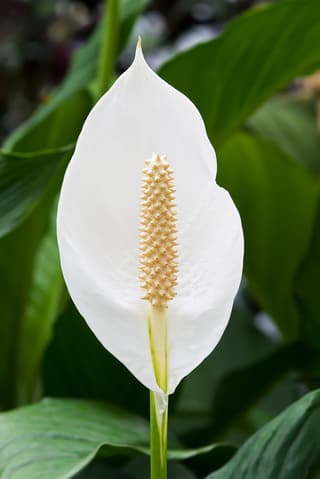
| Peace Lily | Easy | Low light | 4d | ⚠️ |
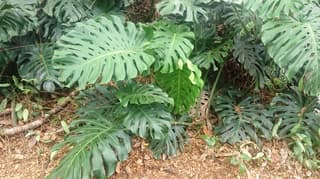
| Swiss Cheese Plant | Easy | Partial shade | 10d | ⚠️ |
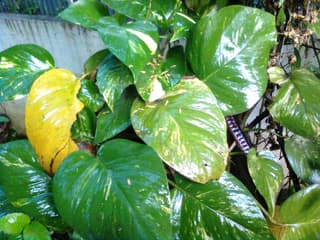
| Golden Pothos | Easy | Low light | 8d | ⚠️ |
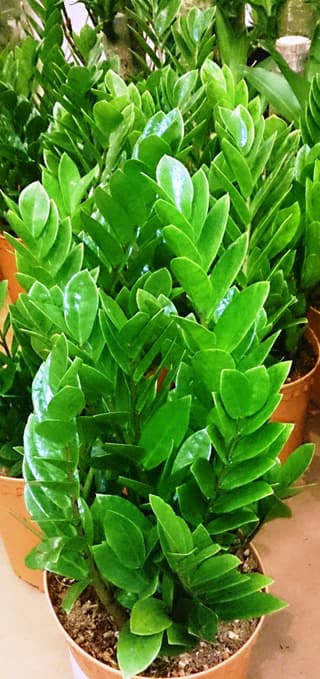
| ZZ Plant | Easy | Low light | 18d | ⚠️ |