Tropaeolaceae
Nasturtium: Edible Plant
Tropaeolum majus
Nasturtiums are exceptionally easy to grow, thriving in full sun and poor to average soil. Avoid over-fertilizing, as high nitrogen levels will encourage lush green foliage but very few flowers.
Every 7 days
Direct sun
5° - 25°C
40% - 60%
Categories
What is Nasturtium?
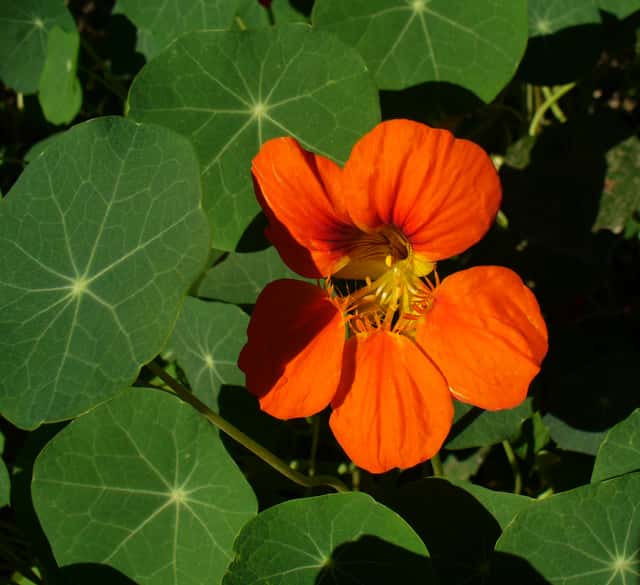
Nasturtium (Tropaeolum majus) is a easy-care plant from the Tropaeolaceae family. Tropaeolum majus, commonly known as Nasturtium, is a fast-growing annual or short-lived perennial plant famous for its vibrant, funnel-shaped flowers and peltate (shield-shaped) leaves. Originating from the Andes, it has become a garden staple worldwide due to its hardiness and versatility. Every pa...
Nasturtium grows up to 2.0m, spread of 90cm, watering every 7 days, 5°C – 25°C, 40–60% humidity. It is not suitable for indoor environments and not safe for pets.
Unlike many tropical plants, Nasturtium tolerates watering mistakes. Best for beginners. Without precautions, ingestion can cause irritation in pets. Keep out of reach of cats and dogs.
How to Care for Nasturtium?
TLDR: Nasturtium needs Direct sun, watering every 7 days, and temperatures between 5-25°C with 40-60% humidity.
How Often Should You Water Nasturtium?
Water regularly during dry spells, but allow the top inch of soil to dry out between waterings to prevent root rot.
How Much Light Does Nasturtium Need?
Place in full sun for the best flower production. In extremely hot climates, some afternoon shade can prevent the leaves from wilting.
What Is the Best Soil for Nasturtium?
Use lean, well-draining soil. Rich, fertile soil will result in more leaves and fewer of the iconic bright flowers.
What Pot Should You Use for Nasturtium?
Terracotta pots with excellent drainage are ideal, or hanging baskets for trailing varieties.
What Is Nasturtium and Where Does It Come From?
Tropaeolum majus, commonly known as Nasturtium, is a fast-growing annual or short-lived perennial plant famous for its vibrant, funnel-shaped flowers and peltate (shield-shaped) leaves. Originating from the Andes, it has become a garden staple worldwide due to its hardiness and versatility. Every part of the plant above ground is edible, offering a peppery flavor similar to watercress. It is often used in companion planting to deter pests from vegetables like cucumbers and tomatoes.
How to Propagate Nasturtium?
Seed Sowing
- Nasturtiums do not like being transplanted, so direct sowing is preferred.
- Space seeds about 20-30 cm apart.
- 1 Soak Seeds
Soak the large, hard seeds in lukewarm water overnight to soften the outer shell and speed up germination.
- 2 Planting
Sow seeds directly into the soil or pots at a depth of about 1.5 to 2 cm.
- 3 Moisture
Keep the soil consistently moist but not soggy until the seedlings emerge.
Materials needed:
Stem Cuttings
- Change the water every few days to keep it fresh.
- Keep the cutting in bright, indirect light while rooting.
- 1 Take Cutting
Cut a 10-15 cm healthy stem just below a node, removing the lower leaves.
- 2 Water Propagation
Place the cutting in a glass of water, ensuring no leaves are submerged.
- 3 Potting
Once roots are several centimeters long, transplant carefully into light soil.
Materials needed:
How Big Does Nasturtium Grow?
TLDR: Nasturtium can reach up to 2.0m tall with Fast growth rate.
Max height
2.0m
Spread
90cm
Growth rate
Fast
Foliage
Deciduous
Warning: Toxic Plant
This plant can be toxic if ingested. Keep out of reach of:
Plant Uses
Ornamental
Great for decoration
Edible
Can be consumed
Medicinal
Medicinal properties
Medicinal Uses
- High Vitamin C content to boost immunity
- Natural antibiotic and antifungal properties
- Used traditionally as an expectorant for chest congestion
Culinary Uses
- Fresh flowers and leaves in salads
- Pickled seed pods used as 'poor man's capers'
- Leaves used in pesto or as a garnish
- Flowers used to decorate cakes and platters
Is your plant showing symptoms?
Click on the symptom to discover possible causes:
What Diseases Commonly Affect Nasturtium?
TLDR: Nasturtium is susceptible to 13 known diseases. Monitor regularly for early detection.
Aphids
Aphids are small, soft-bodied, pear-shaped insects (1/16 to 1/8 inch long) that feed by sucking nutrient-rich sap from plants. They reproduce rapidly and can quickly weaken plants, causing distorted growth and transmitting plant viruses. Aphids come in various colors including green, black, red, yellow, brown, and gray. They secrete honeydew, a sticky substance that attracts ants and encourages sooty mold growth.
Whiteflies
Whiteflies are small, soft-bodied, winged insects closely related to aphids and mealybugs. They are moth-like in appearance, about 1/16 inch long, triangular in shape, and gray-white in color. These sap-sucking pests feed on plant tissue, causing yellowing, stunted growth, and wilting. They also excrete honeydew, which attracts ants and promotes sooty mold growth. Whiteflies can transmit serious plant viruses.
Caterpillars
Caterpillars are the larval stage of moths and butterflies that feed voraciously on plant foliage, stems, flowers, and fruits. Common species include cabbage loopers, tomato hornworms, armyworms, and cutworms. These pests can cause extensive damage by consuming large amounts of plant tissue in a short time. They vary in size from small (1/4 inch) to large (5 inches), with colors ranging from green to brown, often featuring stripes or spots. Caterpillars are highly mobile and can quickly spread throughout gardens, making them one of the most destructive common pests.
Slugs and Snails
Slugs and snails are mollusks that feed on plant tissue, causing irregular holes in leaves and damage to young seedlings. They are most active at night and in moist conditions, leaving characteristic silvery slime trails. These pests can quickly devastate gardens, especially during wet seasons.
Meaning & Symbolism
Symbolizes patriotism, conquest, and victory in battle; also represents a 'split-second' decision.
Compare with similar plants
| Attribute | Difficulty | Light | Watering | Pet Safe |
|---|---|---|---|---|
| Field Maple | Easy | Bright indirect | 14d | ✓ |
| Silver Birch | Easy | Direct sun | 14d | ✓ |
| Cushion Bush | Easy | Direct sun | 14d | ✓ |
| Peruvian peppertree | Easy | Direct sun | 14d | ⚠️ |
Choose & Compare
Sources & References
- Tropaeolum majus (Nasturtium) - Gardenia.net
- Nasturtium, Tropaeolum majus - Wisconsin Horticulture
- Tropaeolum Majus: Nasturtium Flower, Growing Instructions And Care Guide - HouseplantCentral
- How to Identify and Treat Common Nasturtium Diseases - Gardeners Path
- Nasturtium: Plant Care and Growing Guide - Gardenia.net