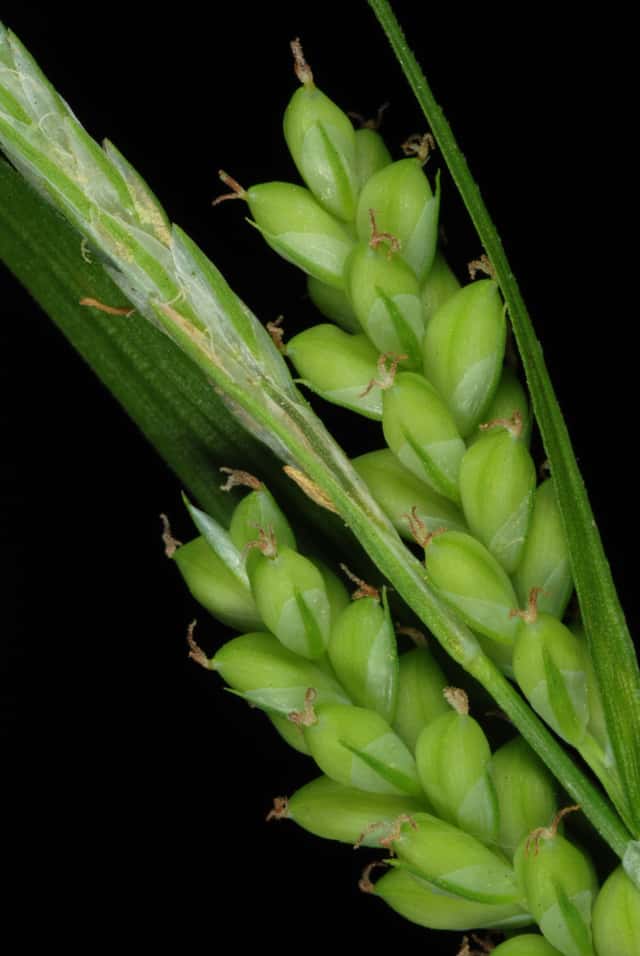
Cyperaceae
Eastern Woodland Sedge (Carex blanda): Complete Care Guide
Carex blanda
A low-maintenance, hardy sedge ideal for shaded and moist sites. Requires consistent moisture during its first year; once established, it tolerates occasional dry spells. Minimal pruning needed — simply cut back any winter-damaged foliage in early spring.
Every 7 days
Low light
-35° - 35°C
40% - 80%
Categories
What is Eastern Woodland Sedge?
Eastern Woodland Sedge (Carex blanda) is a easy-care plant from the Cyperaceae family. Carex blanda is a delicate native sedge from eastern North America, prized as a graceful shade groundcover. It forms soft, arching mounds of light green semi-evergreen foliage up to 50 cm tall and 60 cm wide. Exceptionally adaptable, it thrives in clay, loam, or rocky soils across a wide pH range, m...
Eastern Woodland Sedge grows up to 50cm, spread of 60cm, watering every 7 days, -35°C – 35°C, 40–80% humidity. It is not suitable for indoor environments and safe for pets.
Unlike many tropical plants, Eastern Woodland Sedge tolerates watering mistakes. Best for beginners. Unlike many popular species, Eastern Woodland Sedge is safe to keep around pets.
How to Care for Eastern Woodland Sedge?
TLDR: Eastern Woodland Sedge needs Low light, watering every 7 days, and temperatures between -35-35°C with 40-80% humidity.
How Often Should You Water Eastern Woodland Sedge?
Water every 7 days during establishment. Mature plants tolerate brief dry periods but prefer consistently moist soil. Avoid waterlogging to prevent root rot.
How Much Light Does Eastern Woodland Sedge Need?
Thrives in part shade to full shade. Tolerates morning sun but protect from intense afternoon sun in hot climates. Ideal under tree canopies or north-facing beds.
What Is the Best Soil for Eastern Woodland Sedge?
Adapts to clay, loam, and rocky soils with pH 6.0–7.5. Prefers well-draining soil rich in organic matter. Avoid consistently waterlogged conditions.
What Pot Should You Use for Eastern Woodland Sedge?
Wide, shallow containers with adequate drainage holes. Terracotta or plastic pots both work well; prioritize width over depth to accommodate lateral spread.
Care Schedule
Fertilize
Every 90 days
What Is Eastern Woodland Sedge and Where Does It Come From?
Carex blanda is a delicate native sedge from eastern North America, prized as a graceful shade groundcover. It forms soft, arching mounds of light green semi-evergreen foliage up to 50 cm tall and 60 cm wide. Exceptionally adaptable, it thrives in clay, loam, or rocky soils across a wide pH range, making it a top choice for woodland gardens, rain gardens, and low-maintenance landscapes.
How to Propagate Eastern Woodland Sedge?
Clump Division
Divide on overcast days or in the evening to reduce transplant stress. Keep soil moist for the first few weeks after replanting.
- 1 Divide clumps in early spring or fall using a spade or garden fork
- 2 Separate rhizomes into healthy sections with roots attached
- 3 Replant immediately in prepared soil and water thoroughly
Materials needed:
Seed Propagation
Self-seeding is common; transplant small seedlings while they are still easy to handle.
- 1 Collect ripe seeds in fall and store in a cool, dry location
- 2 Sow directly in the ground or in trays in spring
- 3 Keep substrate moist until germination occurs
Materials needed:
How Big Does Eastern Woodland Sedge Grow?
TLDR: Eastern Woodland Sedge can reach up to 50cm tall with Medium growth rate.
Max height
50cm
Spread
60cm
Growth rate
Medium
Foliage
Semi-evergreen
Plant Uses
Ornamental
Great for decoration
Ground Cover
Soil coverage
Is your plant showing symptoms?
Click on the symptom to discover possible causes:
What Diseases Commonly Affect Eastern Woodland Sedge?
TLDR: Eastern Woodland Sedge is susceptible to 2 known diseases. Monitor regularly for early detection.
Root Rot
Root rot is a serious fungal disease that affects the root system of plants, causing them to decay and die. It is primarily caused by overwatering, poor drainage, or soil-borne fungi such as Pythium, Phytophthora, Rhizoctonia, and Fusarium. The disease thrives in waterlogged conditions where roots are deprived of oxygen, making them susceptible to fungal infection.
Leaf Spot
Leaf spot is a common fungal disease caused by various pathogens including Alternaria, Ascochyta, Colletotrichum, Septoria, and Venturia. It primarily affects leaves, causing discolored spots that can lead to premature leaf drop if left untreated.
Fun Facts
It is a host plant for Eyed Brown and Appalachian Brown butterflies in eastern North America
Hardy from USDA zones 3a to 9b, tolerating harsh winters and hot summers
Can be used as a low-mow lawn alternative in shaded areas
Its seeds are consumed by various species of wild birds
Frequently asked questions
How often should I water Eastern Woodland Sedge?
Is Eastern Woodland Sedge toxic to pets?
What is the best location for Eastern Woodland Sedge?
How do I propagate Eastern Woodland Sedge?
Will it spread aggressively?
Compare with similar plants
| Attribute | Difficulty | Light | Watering | Pet Safe |
|---|---|---|---|---|
| Field Maple | Easy | Bright indirect | 14d | ✓ |
| Silver Birch | Easy | Direct sun | 14d | ✓ |
| Cushion Bush | Easy | Direct sun | 14d | ✓ |
| Peruvian peppertree | Easy | Direct sun | 14d | ⚠️ |





