Cyperaceae
Japanese Sedge (Carex morrowii): How to Grow and Care for It
Carex morrowii
Easy to grow and very adaptable. Water weekly, reducing in winter. Fertilize monthly in spring and summer. Trim dead foliage in late winter to rejuvenate the clump. Drought-tolerant once established.
Every 7 days
Low light
-15° - 32°C
40% - 70%
Categories
What is Japanese Sedge?
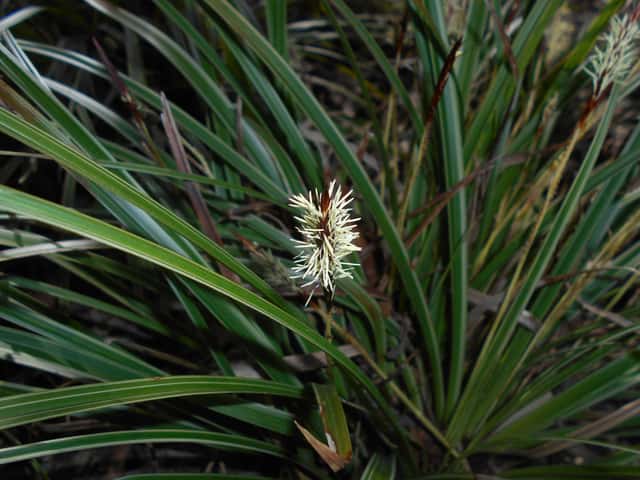
Japanese Sedge (Carex morrowii) is a easy-care plant from the Cyperaceae family. Carex morrowii, commonly known as Japanese Sedge or Morrow's Sedge, is an evergreen ornamental grass-like perennial native to Japan. It forms graceful, arching clumps of narrow, often variegated leaves that add texture and movement to shaded gardens. Exceptionally shade-tolerant and low-maintenance,...
Japanese Sedge grows up to 45cm, spread of 60cm, watering every 7 days, -15°C – 32°C, 40–70% humidity. It is suitable for indoor environments and safe for pets.
Unlike many tropical plants, Japanese Sedge tolerates watering mistakes. Best for beginners. Unlike many popular species, Japanese Sedge is safe to keep around pets. Without adequate drainage, root rot can develop within 14 days.
How to Care for Japanese Sedge?
TLDR: Japanese Sedge needs Low light, watering every 7 days, and temperatures between -15-32°C with 40-70% humidity.
How Often Should You Water Japanese Sedge?
Water approximately every 7 days when the top inch of soil feels dry. Avoid waterlogging — Japanese Sedge is prone to root rot in soggy soil. Direct water to the base, not the foliage, to reduce fungal risk.
How Much Light Does Japanese Sedge Need?
Thrives in partial to full shade. Avoid intense afternoon sun, which can scorch leaf tips. Tolerates dappled sunlight and even deep shade, making it ideal for shaded garden spots.
What Is the Best Soil for Japanese Sedge?
Prefers loamy, well-draining soil rich in organic matter. Ideal pH 5.0–6.5. Amend with compost to improve moisture retention without waterlogging.
What Pot Should You Use for Japanese Sedge?
Ceramic or terracotta pots are ideal for moisture regulation. Ensure pots have good drainage holes. In garden beds, no container is needed. Use a saucer with drainage to avoid waterlogging on patios.
Care Schedule
Fertilize
Every 30 days
Repot
Every 730 days
What Is Japanese Sedge and Where Does It Come From?
Carex morrowii, commonly known as Japanese Sedge or Morrow's Sedge, is an evergreen ornamental grass-like perennial native to Japan. It forms graceful, arching clumps of narrow, often variegated leaves that add texture and movement to shaded gardens. Exceptionally shade-tolerant and low-maintenance, it thrives under trees, in borders, and in containers.
How to Propagate Japanese Sedge?
Clump Division
Divide in spring for best success. Discard old, woody center portions and replant vigorous outer sections.
- 1 Lift the plant carefully from the soil or pot
- 2 Divide the clump into smaller sections by hand or with a clean knife
- 3 Replant each section in moist, well-draining soil
- 4 Water thoroughly and keep in shade for 1-2 weeks to reduce transplant stress
Materials needed:
Seed Sowing
Seed germination is slow and unreliable. Division is strongly preferred for home propagation.
- 1 Sow seeds on moist seed-starting mix and press lightly
- 2 Cover with a thin layer of fine sand
- 3 Keep in a shaded, humid spot
- 4 Germination may take several months — be patient
Materials needed:
How Big Does Japanese Sedge Grow?
TLDR: Japanese Sedge can reach up to 45cm tall with Slow growth rate.
Max height
45cm
Spread
60cm
Growth rate
Slow
Foliage
Evergreen
Plant Uses
Ornamental
Great for decoration
Ground Cover
Soil coverage
Is your plant showing symptoms?
Click on the symptom to discover possible causes:
What Diseases Commonly Affect Japanese Sedge?
TLDR: Japanese Sedge is susceptible to 4 known diseases. Monitor regularly for early detection.
Root Rot
Root rot is a serious fungal disease that affects the root system of plants, causing them to decay and die. It is primarily caused by overwatering, poor drainage, or soil-borne fungi such as Pythium, Phytophthora, Rhizoctonia, and Fusarium. The disease thrives in waterlogged conditions where roots are deprived of oxygen, making them susceptible to fungal infection.
Rust
Rust is a common fungal disease caused by fungi in the order Pucciniales that affects a wide variety of plants. The disease gets its name from the characteristic orange, yellow, or reddish-brown pustules that appear on leaves, resembling metal rust. This obligate fungal parasite requires living plants to survive and can cause significant economic losses in agricultural crops.
Crown Rot
Crown rot is a serious fungal disease that attacks the crown (base) of the plant where the stem meets the soil. It is caused by various fungal pathogens including Phytophthora, Fusarium, and Rhizoctonia. The disease thrives in waterlogged conditions and can quickly spread to kill the entire plant if not addressed promptly.
Aphids
Aphids are small, soft-bodied, pear-shaped insects (1/16 to 1/8 inch long) that feed by sucking nutrient-rich sap from plants. They reproduce rapidly and can quickly weaken plants, causing distorted growth and transmitting plant viruses. Aphids come in various colors including green, black, red, yellow, brown, and gray. They secrete honeydew, a sticky substance that attracts ants and encourages sooty mold growth.
Fun Facts
Carex morrowii is native to the forests of Japan and Korea, where it grows naturally in shaded, moist environments.
Variegated cultivars like 'Ice Dance' and 'Variegata' are prized in landscaping for their striking white-edged leaves.
It is one of the few ornamental grasses that genuinely thrives in deep shade, making it invaluable in shaded garden design.
Unlike many ornamental grasses, Japanese Sedge forms tidy, non-spreading clumps that stay where you plant them.
Frequently asked questions
How often should I water Japanese Sedge?
Is Japanese Sedge toxic to pets?
Can Japanese Sedge grow in full shade?
When should I trim Japanese Sedge?
How often should I fertilize?
Compare with similar plants
| Attribute | Difficulty | Light | Watering | Pet Safe |
|---|---|---|---|---|
| Field Maple | Easy | Bright indirect | 14d | ✓ |
| Silver Birch | Easy | Direct sun | 14d | ✓ |
| Cushion Bush | Easy | Direct sun | 14d | ✓ |
| Peruvian peppertree | Easy | Direct sun | 14d | ⚠️ |