Asteraceae
Carqueja (Baccharis trimera): Everything About Growing This Medicinal Shrub
Baccharis trimera
Easy-care plant suited for outdoor gardens and medicinal herb plots. Requires full sun and well-draining soil. Water every 7 days allowing soil to dry between waterings. Prune every 3 months to encourage vigorous growth. Highly drought-tolerant once established.
Every 7 days
Direct sun
-5° - 35°C
50% - 80%
Categories
What is Carqueja?
Carqueja (Baccharis trimera) is a easy-care plant from the Asteraceae family. Baccharis trimera, commonly known as Carqueja, is a fast-growing perennial shrub native to Brazil and South America. It is distinguished by its unique three-winged stems and is widely used in traditional South American medicine for its digestive, hepatoprotective, and anti-inflammatory properties. S...
Carqueja grows up to 1.0m, with spread of 80cm, watering every 7 days, -5°C – 35°C, 50–80% humidity. It is not suitable for indoor environments and safe for pets.
Unlike many tropical plants, Carqueja tolerates watering mistakes. Best for beginners. Unlike many popular species, Carqueja is safe to keep around pets.
How to Care for Carqueja?
TLDR: Carqueja needs Direct sun, watering every 7 days, and temperatures between -5-35°C with 50-80% humidity.
How Often Should You Water Carqueja?
Water every 7 days, allowing the soil to dry slightly between waterings. Carqueja is drought-tolerant once established — avoid overwatering as waterlogged roots can cause root rot. Reduce watering during rainy seasons.
How Much Light Does Carqueja Need?
Requires full sun (at least 6 hours of direct sunlight daily) for healthy growth and optimal production of medicinal compounds. Tolerates partial shade, but growth will be slower and less vigorous.
What Is the Best Soil for Carqueja?
Thrives in well-draining, slightly sandy or loamy soil enriched with organic matter. Ideal pH range is 6.0–7.5. Avoid heavy clay soils that retain too much moisture, which can lead to root problems.
What Pot Should You Use for Carqueja?
Terracotta or ceramic pots for medicinal herb gardens; in-ground beds for abundant production
Care Schedule
Fertilize
Every 45 days
What Is Carqueja and Where Does It Come From?
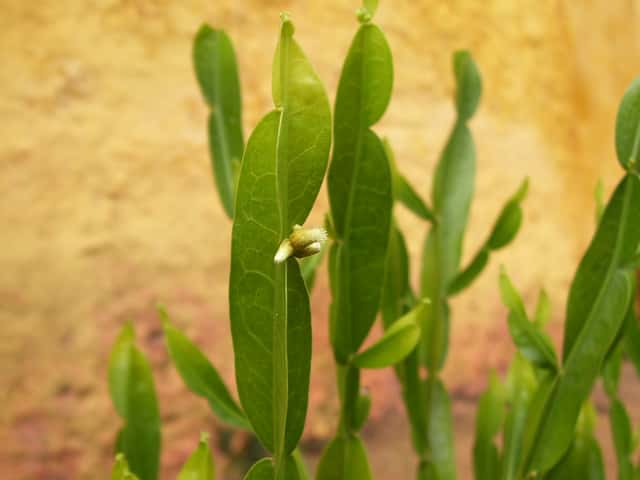
Baccharis trimera, commonly known as Carqueja, is a fast-growing perennial shrub native to Brazil and South America. It is distinguished by its unique three-winged stems and is widely used in traditional South American medicine for its digestive, hepatoprotective, and anti-inflammatory properties. Small white flowers cluster at the stem tips during spring and summer, attracting pollinators.
How to Propagate Carqueja?
Stem Cutting
Perform cuttings in spring or early summer for best results. Use sterilized pruning shears to prevent disease transmission.
- 1 Cut a healthy stem approximately 15 cm long
- 2 Remove leaves from the lower half of the cutting
- 3 Dip the base in rooting hormone powder
- 4 Plant in moist, well-draining medium (sand + compost mix)
- 5 Keep in bright indirect light and water lightly until rooted
Materials needed:
Seed Propagation
Seeds are very small and light — sow densely and thin later. Germination can be irregular.
- 1 Collect mature seeds when the white pappus is visible
- 2 Sow in a tray filled with light, moist growing medium
- 3 Cover lightly with a thin layer of substrate
- 4 Maintain in a warm location (20–25°C) with good light
- 5 Transplant seedlings when they reach 10 cm in height
Materials needed:
How Big Does Carqueja Grow?
TLDR: Carqueja can reach up to 1.0m tall with Fast growth rate.
Max height
1.0m
Spread
80cm
Growth rate
Fast
Foliage
Evergreen
Warning: Toxic Plant
This plant can be toxic if ingested. Keep out of reach of:
Plant Uses
Medicinal
Medicinal properties
Aromatic
Pleasant fragrance
Medicinal Uses
- Digestive aid
- Hepatoprotective
- Hypoglycemic
- Anti-inflammatory
- Antioxidant
- Detoxifying
- Analgesic
- Antiviral
- Antiseptic
Is your plant showing symptoms?
Click on the symptom to discover possible causes:
What Diseases Commonly Affect Carqueja?
TLDR: Carqueja is susceptible to 5 known diseases. Monitor regularly for early detection.
Aphids
Aphids are small, soft-bodied, pear-shaped insects (1/16 to 1/8 inch long) that feed by sucking nutrient-rich sap from plants. They reproduce rapidly and can quickly weaken plants, causing distorted growth and transmitting plant viruses. Aphids come in various colors including green, black, red, yellow, brown, and gray. They secrete honeydew, a sticky substance that attracts ants and encourages sooty mold growth.
Spider Mites
Spider mites are tiny arachnids (less than 1/20 inch long) related to spiders and ticks that feed on plant sap. They thrive in hot, dry conditions and can cause significant damage to ornamental and vegetable plants. During severe infestations, crop losses can reach 14% or higher as these pests disrupt vital plant processes including photosynthesis, carbon dioxide absorption, and transpiration.
Root Rot
Root rot is a serious fungal disease that affects the root system of plants, causing them to decay and die. It is primarily caused by overwatering, poor drainage, or soil-borne fungi such as Pythium, Phytophthora, Rhizoctonia, and Fusarium. The disease thrives in waterlogged conditions where roots are deprived of oxygen, making them susceptible to fungal infection.
Caterpillars
Caterpillars are the larval stage of moths and butterflies that feed voraciously on plant foliage, stems, flowers, and fruits. Common species include cabbage loopers, tomato hornworms, armyworms, and cutworms. These pests can cause extensive damage by consuming large amounts of plant tissue in a short time. They vary in size from small (1/4 inch) to large (5 inches), with colors ranging from green to brown, often featuring stripes or spots. Caterpillars are highly mobile and can quickly spread throughout gardens, making them one of the most destructive common pests.
Meaning & Symbolism
Symbol of health and healing in Brazilian folk medicine. Carqueja is revered as a liver protector and digestive tonic across South America.
Fun Facts
Carqueja has three characteristic wing-like extensions along its stems — a rare morphology that gives it the botanical name "trimera" (three-winged)
It is one of the most scientifically studied medicinal plants in Brazil, with proven hepatoprotective and anti-inflammatory properties
Carqueja has been used for centuries in traditional South American medicine as a digestive and liver tonic, with records dating to the 17th century
Thanks to its exceptional resilience, Carqueja regrows vigorously even after severe pruning, earning it the nickname "immortal plant" among traditional farmers
Frequently asked questions
How often should I water Carqueja?
Can Carqueja be grown in a pot?
Is Carqueja toxic?
When does Carqueja flower?
How often should I prune Carqueja?
Compare with similar plants
| Attribute | Difficulty | Light | Watering | Pet Safe |
|---|---|---|---|---|
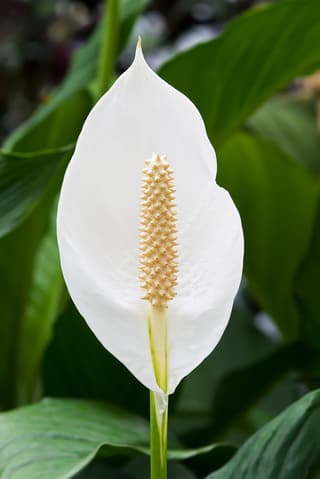
| Peace Lily | Easy | Low light | 4d | ⚠️ |
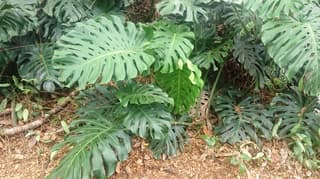
| Swiss Cheese Plant | Easy | Partial shade | 10d | ⚠️ |
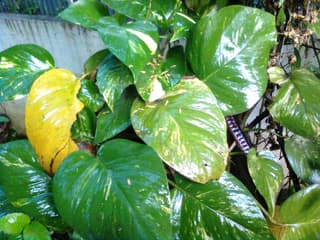
| Golden Pothos | Easy | Low light | 8d | ⚠️ |
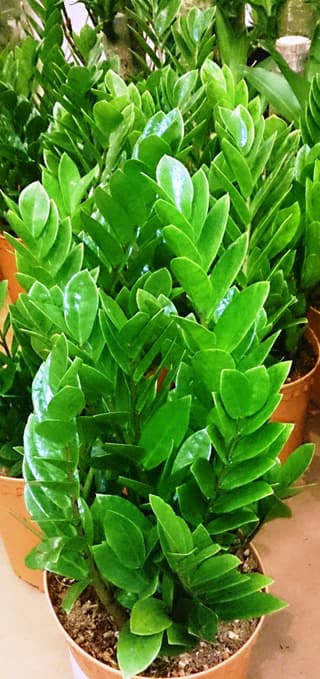
| ZZ Plant | Easy | Low light | 18d | ⚠️ |