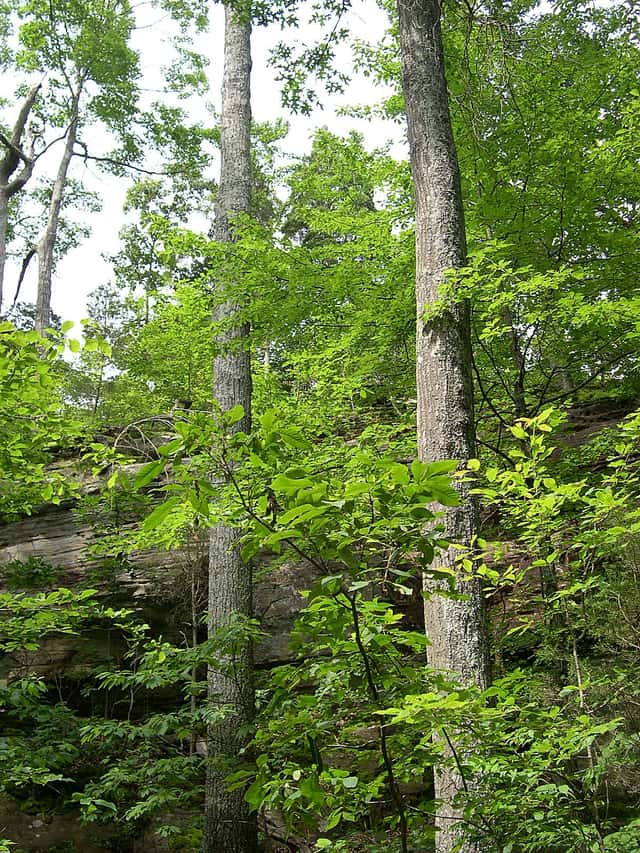
Fagaceae
Scarlet Oak: The Brilliant Autumn Showstopper
Quercus coccinea
Plant in full sun. Water regularly during the first few years to establish deep roots; mature trees are drought-tolerant. Prefers acidic, sandy, well-drained soil with pH 4.5–6.5. Fertilize once a year in spring.
Every 7 days
Direct sun
-23° - 35°C
30% - 60%
Categories
What is Scarlet Oak?
Scarlet Oak (Quercus coccinea) is a easy-care plant from the Fagaceae family. The scarlet oak is a majestic deciduous tree native to the eastern United States, renowned for its spectacular scarlet-red autumn foliage. Belonging to the Fagaceae family, it can reach up to 80 feet tall with a broad, rounded canopy. It thrives in acidic, sandy, well-drained soils and becomes highl...
Scarlet Oak grows up to 24.0m, spread of 1800cm, watering every 7 days, -23°C – 35°C, 30–60% humidity. It is not suitable for indoor environments and not safe for pets.
Unlike many tropical plants, Scarlet Oak tolerates watering mistakes. Best for beginners. Without precautions, ingestion can cause irritation in pets. Keep out of reach of cats and dogs.
How to Care for Scarlet Oak?
TLDR: Scarlet Oak needs Direct sun, watering every 7 days, and temperatures between -23-35°C with 30-60% humidity.
How Often Should You Water Scarlet Oak?
Water weekly during the first 2–3 years to encourage deep root development. Established trees are drought-tolerant but benefit from deep watering during prolonged dry spells.
How Much Light Does Scarlet Oak Need?
Requires full sun — at least 6 hours of direct sunlight daily. Avoid heavily shaded locations, as insufficient light reduces growth and limits the tree's signature fall color display.
What Is the Best Soil for Scarlet Oak?
Prefers acidic (pH 4.5–6.5), sandy, well-drained soils. Tolerates poor, compacted, and clay soils, making it ideal for challenging sites where other trees struggle.
What Pot Should You Use for Scarlet Oak?
Not applicable — large outdoor tree, not suitable for container growing
Care Schedule
Fertilize
Every 365 days
What Is Scarlet Oak and Where Does It Come From?
The scarlet oak is a majestic deciduous tree native to the eastern United States, renowned for its spectacular scarlet-red autumn foliage. Belonging to the Fagaceae family, it can reach up to 80 feet tall with a broad, rounded canopy. It thrives in acidic, sandy, well-drained soils and becomes highly drought-tolerant once established.
How to Propagate Scarlet Oak?
Acorn propagation
Plant where the tree will grow permanently. Scarlet oak develops a deep taproot that makes transplanting difficult once established. Use fresh, current-season acorns.
- 1 Collect ripe acorns in autumn before they fall
- 2 Cold stratify seeds in moist sand for 30–60 days
- 3 Sow 1 inch deep in acidic, well-drained soil
- 4 Keep soil moist until germination
- 5 Transplant to permanent location while young — taproot makes later transplanting very difficult
Materials needed:
Grafting
Recommended only for experienced propagators. Best performed in early spring using dormant scion wood.
- 1 Select a healthy rootstock of the same or closely related species
- 2 Prepare scion with a young shoot carrying 2–3 buds
- 3 Execute cleft or shield grafting
- 4 Secure with grafting tape and seal with grafting wax
- 5 Keep in a sheltered location until union is complete
Materials needed:
How Big Does Scarlet Oak Grow?
TLDR: Scarlet Oak can reach up to 24.0m tall with Fast growth rate.
Max height
24.0m
Spread
18.0m
Growth rate
Fast
Foliage
Deciduous
Warning: Toxic Plant
This plant can be toxic if ingested. Keep out of reach of:
Plant Uses
Ornamental
Great for decoration
Is your plant showing symptoms?
Click on the symptom to discover possible causes:
What Diseases Commonly Affect Scarlet Oak?
TLDR: Scarlet Oak is susceptible to 9 known diseases. Monitor regularly for early detection.
Anthracnose
Anthracnose is a fungal disease caused by fungi in the genus Colletotrichum that affects many plants, including vegetables, fruits, and trees. The disease thrives in cool, wet conditions, causing dark, sunken lesions on leaves, stems, flowers, and fruits.
Powdery Mildew
Powdery mildew is a common fungal disease caused by various fungi species including Erysiphe, Podosphaera, Oïdium, and Leveillula. It affects over 10,000 plant species worldwide. The disease thrives in warm, dry climates with high humidity and appears as a distinctive white powdery coating on plant surfaces.
Canker
Canker is a disease caused by various fungi and bacteria that create necrotic, sunken areas on bark of branches, stems, and trunks. Pathogens enter through wounds and natural openings, especially when plants are stressed. Canker can gradually weaken or kill branches by disrupting water and nutrient flow.
Rust
Rust is a common fungal disease caused by fungi in the order Pucciniales that affects a wide variety of plants. The disease gets its name from the characteristic orange, yellow, or reddish-brown pustules that appear on leaves, resembling metal rust. This obligate fungal parasite requires living plants to survive and can cause significant economic losses in agricultural crops.
Meaning & Symbolism
Symbol of strength, endurance, and longevity. Its brilliant autumn display represents the passage of time with grace and vibrant beauty.
Fun Facts
Scarlet oak supports over 800 caterpillar species, making it one of the most ecologically valuable trees for garden biodiversity.
Its acorns take two full years to mature — every acorn that drops in autumn was started in the spring of the previous year.
In ideal conditions, scarlet oak can live 150 to 200 years, becoming a living legacy for future generations.
It is one of the few large trees that thrives in poor, dry, acidic soils where most other species fail to establish.
Frequently asked questions
Is scarlet oak toxic to pets?
How often should I water a scarlet oak?
What is the best soil for scarlet oak?
Can scarlet oak grow in a pot?
When does scarlet oak turn red?
Compare with similar plants
| Attribute | Difficulty | Light | Watering | Pet Safe |
|---|---|---|---|---|
| Field Maple | Easy | Bright indirect | 14d | ✓ |
| Silver Birch | Easy | Direct sun | 14d | ✓ |
| Cushion Bush | Easy | Direct sun | 14d | ✓ |
| Peruvian peppertree | Easy | Direct sun | 14d | ⚠️ |





