Rhamnaceae
Inland Jersey Tea (Ceanothus herbaceus)
Ceanothus herbaceus
A low-maintenance native shrub. Plant in full sun with well-draining soil. Water regularly only in the first 1-2 years until established; after that, drought tolerance is excellent. Light pruning after flowering keeps the plant tidy. No fertilizer required in most garden soils.
Every 21 days
Bright indirect
-29° - 35°C
30% - 60%
Categories
What is Inland Jersey Tea?
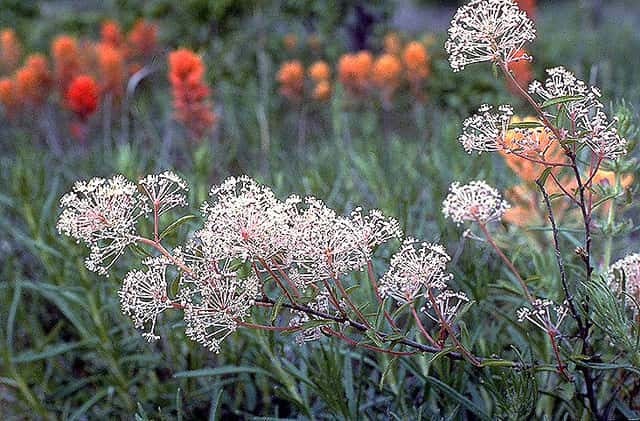
Inland Jersey Tea (Ceanothus herbaceus) is a easy-care plant from the Rhamnaceae family. Inland Jersey Tea (Ceanothus herbaceus) is a compact, deciduous shrub native to prairies, rocky glades, and sandy hills across central and eastern North America. Growing 2–3 feet tall, it produces dense clusters of small white flowers in spring and early summer, attracting butterflies and native pol...
Inland Jersey Tea grows up to 90cm, spread of 60cm, watering every 21 days, -29°C – 35°C, 30–60% humidity. It is not suitable for indoor environments and safe for pets.
Unlike many tropical plants, Inland Jersey Tea tolerates watering mistakes. Best for beginners. Unlike many popular species, Inland Jersey Tea is safe to keep around pets.
How to Care for Inland Jersey Tea?
TLDR: Inland Jersey Tea needs Bright indirect, watering every 21 days, and temperatures between -29-35°C with 30-60% humidity.
How Often Should You Water Inland Jersey Tea?
Water every 2-3 weeks during the first growing season to establish roots. Once established, rainfall is usually sufficient except during extended droughts. Avoid overwatering — waterlogged soil causes root rot.
How Much Light Does Inland Jersey Tea Need?
Full sun is ideal (6+ hours daily). Tolerates light partial shade but flowers most prolifically in full sun exposure.
What Is the Best Soil for Inland Jersey Tea?
Dry to medium moisture, well-drained soil. Tolerates poor, rocky, and alkaline soils. Avoid heavy clay or consistently wet conditions.
What Pot Should You Use for Inland Jersey Tea?
Terra cotta or stone pot with generous drainage holes. Avoid plastic containers that retain excess moisture.
Care Schedule
Fertilize
Every 90 days
Misting
Every 3 days
Rotate
Every 7 days
Repot
Every 365 days
What Is Inland Jersey Tea and Where Does It Come From?
Inland Jersey Tea (Ceanothus herbaceus) is a compact, deciduous shrub native to prairies, rocky glades, and sandy hills across central and eastern North America. Growing 2–3 feet tall, it produces dense clusters of small white flowers in spring and early summer, attracting butterflies and native pollinators. Exceptionally drought-tolerant once established, it thrives in poor, well-drained soils and requires minimal care, making it ideal for native plant gardens and low-maintenance landscapes.
How to Propagate Inland Jersey Tea?
Seed Sowing
Scarification is essential due to the hard seed coat. Maintain 68-77°F (20-25°C) for best germination rates.
- 1 Scarify seeds with fine sandpaper or soak in hot water for 24 hours to break dormancy
- 2 Sow in well-draining mix of sand and potting soil
- 3 Keep lightly moist in a bright location
- 4 Transplant seedlings when they reach 4 inches tall
Materials needed:
Stem Cutting
Use current-year growth for best success. Misting regularly helps maintain humidity without waterlogging.
- 1 Take semi-hardwood cuttings of 4-6 inches in summer
- 2 Remove lower leaves and dip in rooting hormone
- 3 Plant in well-draining medium and keep in a humid, shaded location
- 4 Transplant once roots are well established
Materials needed:
How Big Does Inland Jersey Tea Grow?
TLDR: Inland Jersey Tea can reach up to 90cm tall with Slow growth rate.
Max height
90cm
Spread
60cm
Growth rate
Slow
Foliage
Deciduous
Plant Uses
Ornamental
Great for decoration
Medicinal
Medicinal properties
Medicinal Uses
- Leaf infusion as an expectorant tea for coughs and colds
- Root decoction traditionally used by Native American tribes (Ojibwe, Brulé Lakota) for bronchitis and asthma
Is your plant showing symptoms?
Click on the symptom to discover possible causes:
What Diseases Commonly Affect Inland Jersey Tea?
TLDR: Inland Jersey Tea is susceptible to 11 known diseases. Monitor regularly for early detection.
Aphids
Aphids are small, soft-bodied, pear-shaped insects (1/16 to 1/8 inch long) that feed by sucking nutrient-rich sap from plants. They reproduce rapidly and can quickly weaken plants, causing distorted growth and transmitting plant viruses. Aphids come in various colors including green, black, red, yellow, brown, and gray. They secrete honeydew, a sticky substance that attracts ants and encourages sooty mold growth.
Spider Mites
Spider mites are tiny arachnids (less than 1/20 inch long) related to spiders and ticks that feed on plant sap. They thrive in hot, dry conditions and can cause significant damage to ornamental and vegetable plants. During severe infestations, crop losses can reach 14% or higher as these pests disrupt vital plant processes including photosynthesis, carbon dioxide absorption, and transpiration.
Mealybugs
Mealybugs are small, soft-bodied insects covered with a white, waxy, cottony material. They are common pests of houseplants and outdoor plants in mild climates. These sap-sucking insects feed on plant tissue, causing damage, stunted growth, and can lead to plant death if left untreated. They produce sticky honeydew which attracts sooty mold.
Scale Insects
Scale insects are small sap-sucking pests that appear as brown, shell-like bumps on plant stems and leaves. There are over 25 species, divided into armored (hard) and unarmored (soft) scales. They feed by piercing plant tissue and extracting sap, which weakens the plant and can lead to yellowing, stunted growth, and even death if left untreated. They also excrete honeydew, which attracts ants and promotes sooty mold growth.
Meaning & Symbolism
Symbolizes resilience and healing — its deep roots represent quiet strength and renewal, mirroring the plant's ability to regenerate vigorously after prairie fires.
Fun Facts
The roots of Ceanothus herbaceus can reach up to 15 feet deep, making it remarkably drought-resistant even in the driest summers.
Native American tribes including the Ojibwe and Brulé Lakota used dried leaves to brew medicinal teas for respiratory ailments long before European settlement.
Its flowers contain natural saponins that lather when agitated in water — Indigenous peoples used them as a soap substitute.
After prairie fires, Inland Jersey Tea is among the first plants to resprout from its deep root system, playing a key role in ecosystem recovery.
Frequently asked questions
How often should I water Inland Jersey Tea?
Is Inland Jersey Tea toxic to pets?
Can I grow it in a container?
When does Inland Jersey Tea bloom?
Does it need fertilizer?
Compare with similar plants
| Attribute | Difficulty | Light | Watering | Pet Safe |
|---|---|---|---|---|
| Field Maple | Easy | Bright indirect | 14d | ✓ |
| Silver Birch | Easy | Direct sun | 14d | ✓ |
| Cushion Bush | Easy | Direct sun | 14d | ✓ |
| Peruvian peppertree | Easy | Direct sun | 14d | ⚠️ |





