Euphorbiaceae
African Milk Bush (Euphorbia umbellata): Care, Growing Tips & Toxicity
Euphorbia umbellata
Low-maintenance and remarkably resilient. Provide full sun to bright indirect light. Water only when soil is almost completely dry (every 7–14 days in summer, every 15–20 days in winter). Use a very well-draining mix. Sensitive to cold below 10°C. CAUTION: always wear gloves and eye protection when handling — the latex is severely toxic. Fertilize every 90 days during the growing season.
Every 10 days
Bright indirect
10° - 38°C
30% - 60%
Categories
What is African Milk Bush?
African Milk Bush (Euphorbia umbellata) is a easy-care plant from the Euphorbiaceae family. Euphorbia umbellata, commonly known as the African Milk Bush, is a fast-growing, semi-succulent evergreen shrub or small tree in the family Euphorbiaceae, native to eastern and southern Africa. In cultivation it typically reaches 3–5 metres in height, though specimens in their natural habitat can ex...
African Milk Bush grows up to 5.0m, spread of 150cm, watering every 10 days, 10°C – 38°C, 30–60% humidity. It is suitable for indoor environments and not safe for pets.
Unlike many tropical plants, African Milk Bush tolerates watering mistakes. Best for beginners. Without precautions, ingestion can cause irritation in pets. Keep out of reach of cats and dogs. Without adequate drainage, root rot can develop within 20 days.
How to Care for African Milk Bush?
TLDR: African Milk Bush needs Bright indirect, watering every 10 days, and temperatures between 10-38°C with 30-60% humidity.
How Often Should You Water African Milk Bush?
Water only when the potting mix is almost completely dry. In summer, approximately every 7–10 days; in winter, reduce to every 15–20 days. Never allow the plant to sit in waterlogged soil — overwatering is the primary cause of death for this species and leads rapidly to root rot.
How Much Light Does African Milk Bush Need?
African Milk Bush thrives in full sun (at least 6 hours of direct sunlight daily) and will reward you with vigorous growth and dense foliage. It tolerates bright indirect light indoors near sunny windows or on bright balconies, but may become etiolated and leggy in low light conditions.
What Is the Best Soil for African Milk Bush?
Use an extremely well-draining mix: equal parts potting soil, coarse sand, and perlite works well. Avoid any soil that retains moisture for extended periods. Ideal pH range is 6.0–8.0. Always plant in pots with drainage holes and never use sealed saucers.
What Pot Should You Use for African Milk Bush?
Terracotta or ceramic pots are ideal — they allow good air exchange and faster substrate drying, reducing root rot risk. Always use pots with drainage holes. In the garden, plant directly in well-draining soil with good sun exposure.
Care Schedule
Fertilize
Every 90 days
Repot
Every 730 days
What Is African Milk Bush and Where Does It Come From?
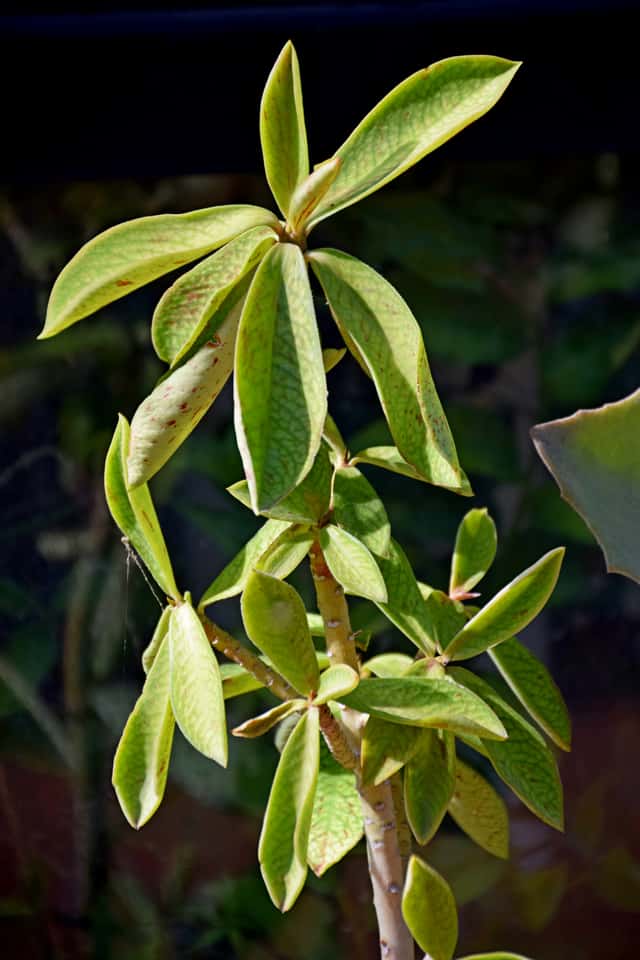
Euphorbia umbellata, commonly known as the African Milk Bush, is a fast-growing, semi-succulent evergreen shrub or small tree in the family Euphorbiaceae, native to eastern and southern Africa. In cultivation it typically reaches 3–5 metres in height, though specimens in their natural habitat can exceed 10 metres. The plant features thick, fleshy green stems and large, dark green, oval leaves with prominent veins arranged oppositely on the branches. When any part of the plant is cut or damaged, it exudes a white milky latex that is severely toxic and highly irritating to skin, eyes, and mucous membranes. Small dark red to maroon flowers appear in winter, clustered in the cyathia typical of Euphorbia species. This species is widely cultivated as an ornamental in tropical and subtropical gardens worldwide, and in Brazil (where it is known as "leitosinha" or "janaúba") it holds additional cultural significance as a folk medicinal plant.
How to Propagate African Milk Bush?
Stem cutting
Always use protective equipment when handling. The callus formation at the base is essential to prevent rot. Discard the mix if mold appears.
- 1 Cut a healthy stem segment 15–20 cm long using a sterilized tool — CAUTION: wear gloves and eye protection as the latex is severely toxic
- 2 Allow the cutting to rest in a shaded, well-ventilated spot for 1–2 days until the cut end calluses over
- 3 Dip the base in powdered charcoal or rooting hormone
- 4 Plant in a lightly moist, well-draining mix (sand + perlite) and place in bright indirect light
- 5 Avoid overwatering for the first 2 weeks; wait until roots have established before transplanting to a permanent pot
Materials needed:
Seed propagation
Seed propagation is slower and less reliable than stem cuttings. Use cuttings to preserve the characteristics of the mother plant.
- 1 Sow mature seeds in a lightly moist, well-draining substrate
- 2 Cover lightly with fine substrate and keep in a warm spot (25–30°C)
- 3 Water with a fine mister to keep surface moist without waterlogging
- 4 Expect germination in 3–6 weeks
Materials needed:
How Big Does African Milk Bush Grow?
TLDR: African Milk Bush can reach up to 5.0m tall with Fast growth rate.
Max height
5.0m
Spread
1.5m
Growth rate
Fast
Foliage
Evergreen
Warning: Toxic Plant
This plant can be toxic if ingested. Keep out of reach of:
Plant Uses
Ornamental
Great for decoration
Medicinal
Medicinal properties
Medicinal Uses
- Traditional folk use of diluted latex (in water) as a remedy for gastric disorders and ulcers in Brazil — not scientifically validated for internal use
- Preliminary research has demonstrated antitumoral and anti-inflammatory activity in leaf ethanol extracts
- Used in African traditional medicine to treat internal parasites, cardiac conditions, and skin problems
- WARNING: any medicinal use must be under professional supervision — raw latex is extremely toxic
Is your plant showing symptoms?
Click on the symptom to discover possible causes:
What Diseases Commonly Affect African Milk Bush?
TLDR: African Milk Bush is susceptible to 9 known diseases. Monitor regularly for early detection.
Root Rot
Root rot is a serious fungal disease that affects the root system of plants, causing them to decay and die. It is primarily caused by overwatering, poor drainage, or soil-borne fungi such as Pythium, Phytophthora, Rhizoctonia, and Fusarium. The disease thrives in waterlogged conditions where roots are deprived of oxygen, making them susceptible to fungal infection.
Overwatering
Overwatering occurs when plants receive too much water, depriving roots of oxygen and causing root rot. This environmental stress is one of the most common causes of houseplant death, as waterlogged soil prevents roots from breathing and functioning properly.
Mealybugs
Mealybugs are small, soft-bodied insects covered with a white, waxy, cottony material. They are common pests of houseplants and outdoor plants in mild climates. These sap-sucking insects feed on plant tissue, causing damage, stunted growth, and can lead to plant death if left untreated. They produce sticky honeydew which attracts sooty mold.
Spider Mites
Spider mites are tiny arachnids (less than 1/20 inch long) related to spiders and ticks that feed on plant sap. They thrive in hot, dry conditions and can cause significant damage to ornamental and vegetable plants. During severe infestations, crop losses can reach 14% or higher as these pests disrupt vital plant processes including photosynthesis, carbon dioxide absorption, and transpiration.
Meaning & Symbolism
In African tradition, members of the Synadenium/Euphorbia genus are associated with protection and healing power. In Brazil, the latex of janaúba is deeply embedded in folk medicine tradition and is seen as a symbol of resilience and the healing power of nature.
Fun Facts
The latex of Euphorbia umbellata is so toxic it was historically used as fish poison and arrow tip poison in Africa
Brazilian researchers have identified significant antitumoral activity in leaf extracts of this species
Under favorable tropical conditions, this plant can grow more than 1 metre per year
It belongs to the same genus as the famous Crown of Thorns (Euphorbia milii) and Pencil Cactus (Euphorbia tirucalli)
Frequently asked questions
Is African Milk Bush toxic to pets and children?
How often should I water African Milk Bush?
How much light does African Milk Bush need?
Can I grow African Milk Bush indoors?
How do I propagate African Milk Bush?
Compare with similar plants
| Attribute | Difficulty | Light | Watering | Pet Safe |
|---|---|---|---|---|
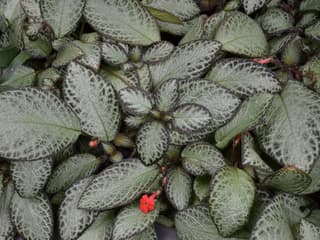
| Flame Violet | Easy | Partial shade | 7d | ✓ |
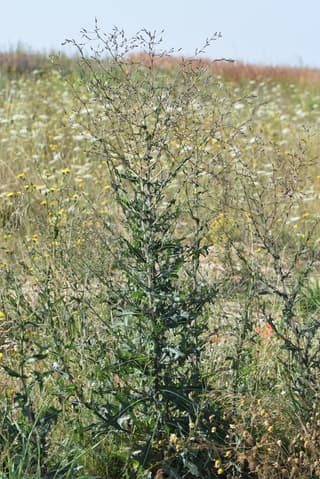
| Prickly Lettuce | Easy | Direct sun | 7d | ✓ |
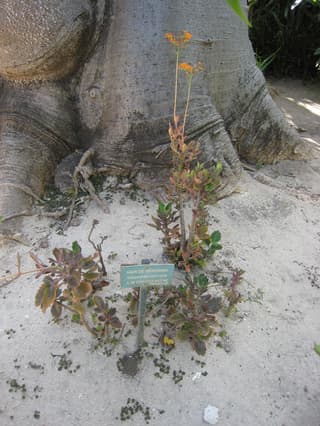
| Christmas Tree Plant | Easy | Bright indirect | 10d | ⚠️ |
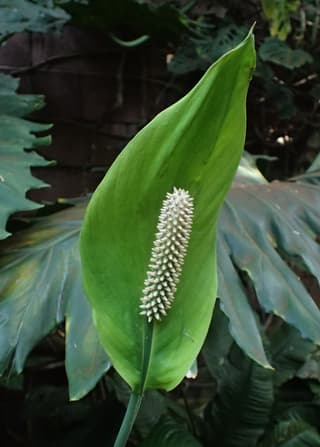
| Peace Lily | Easy | Low light | 7d | ⚠️ |
Choose & Compare
Sources & References
- Complete Care and Propagation Guide for Euphorbia Umbellata
- Euphorbia umbellata - NC State Extension Gardener Plant Toolbox
- Euphorbia umbellata - Useful Tropical Plants
- Cytotoxicity of latex and pharmacobotanical study of Euphorbia umbellata (Janauba)
- Euphorbia umbellata - Plants of the World Online, Kew Science