Apiaceae
Chervil: The Delicate French Herb for Cool Gardens
Anthriscus cerefolium
Chervil is an easy herb to grow. Keep it in partial shade, water weekly to maintain consistent moisture, and harvest leaves regularly to encourage bushier growth. It prefers cool temperatures and tends to bolt in heat, so avoid full afternoon sun.
Every 7 days
Partial shade
4° - 24°C
50% - 70%
Categories
What is Chervil?
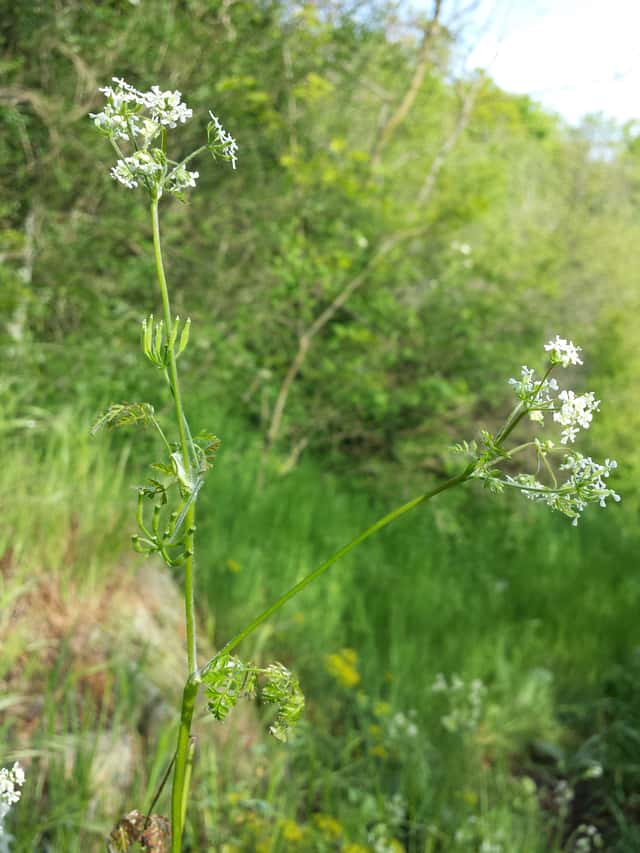
Chervil (Anthriscus cerefolium) is a easy-care plant from the Apiaceae family. Chervil (Anthriscus cerefolium) is a delicate annual herb native to Europe, prized for its lacy, fern-like foliage and subtle anise-parsley flavor. A staple of French cuisine and one of the classic "fines herbes," it grows quickly and prefers cool, partially shaded conditions. It reaches 40–60 cm in...
Chervil grows up to 60cm, with spread of 40cm, watering every 7 days, 4°C – 24°C, 50–70% humidity. It is suitable for indoor environments and safe for pets.
Unlike many tropical plants, Chervil tolerates watering mistakes. Best for beginners. Unlike many popular species, Chervil is safe to keep around pets. Without adequate drainage, root rot can develop within 14 days.
How to Care for Chervil?
TLDR: Chervil needs Partial shade, watering every 7 days, and temperatures between 4-24°C with 50-70% humidity.
How Often Should You Water Chervil?
Water every 7 days or when the top 2–3 cm of soil feel dry. Chervil likes consistently moist but never waterlogged soil. Avoid overhead watering to reduce risk of fungal diseases.
How Much Light Does Chervil Need?
Chervil prefers partial shade to filtered light, especially in warm climates. In cool climates it tolerates morning sun. Aim for 10,000–30,000 lux. Protect from harsh afternoon sun to prevent premature bolting.
What Is the Best Soil for Chervil?
Use well-draining, fertile soil rich in organic matter. A loamy or garden soil amended with compost works well. Maintain a pH of 6.0–7.5. Good drainage is essential to prevent root rot.
What Pot Should You Use for Chervil?
Terracotta or clay pots work well as they allow airflow and prevent overwatering. Use a pot at least 20 cm deep with drainage holes.
What Is Chervil and Where Does It Come From?
Chervil (Anthriscus cerefolium) is a delicate annual herb native to Europe, prized for its lacy, fern-like foliage and subtle anise-parsley flavor. A staple of French cuisine and one of the classic "fines herbes," it grows quickly and prefers cool, partially shaded conditions. It reaches 40–60 cm in height and produces small white flowers in spring and summer.
How to Propagate Chervil?
Direct Seed
Soak seeds in water for 24 hours before sowing to speed up germination. Chervil self-seeds readily — let some plants flower to naturalize the area.
- 1 Sow seeds directly in the garden or container in early spring or fall.
- 2 Sprinkle seeds on the soil surface and press lightly — do not bury deeply.
- 3 Keep soil consistently moist until germination occurs (1–3 weeks).
- 4 Thin seedlings to 15 cm apart when they reach 5 cm height.
- 5 Begin harvesting outer leaves when plant reaches 15 cm.
Materials needed:
How Big Does Chervil Grow?
TLDR: Chervil can reach up to 60cm tall with Fast growth rate.
Max height
60cm
Spread
40cm
Growth rate
Fast
Foliage
Deciduous
Plant Uses
Edible
Can be consumed
Medicinal
Medicinal properties
Aromatic
Pleasant fragrance
Medicinal Uses
- Traditionally used as a mild diuretic
- Used in folk medicine to support digestion
- Leaf poultice historically applied to skin irritations
Culinary Uses
- Used fresh in French fines herbes blends
- Added to salads, soups, and egg dishes
- Pairs well with fish, chicken, and spring vegetables
- Used as garnish — add at the last minute as heat destroys its delicate flavor
Is your plant showing symptoms?
Click on the symptom to discover possible causes:
What Diseases Commonly Affect Chervil?
TLDR: Chervil is susceptible to 4 known diseases. Monitor regularly for early detection.
Powdery Mildew
Powdery mildew is a common fungal disease caused by various fungi species including Erysiphe, Podosphaera, Oïdium, and Leveillula. It affects over 10,000 plant species worldwide. The disease thrives in warm, dry climates with high humidity and appears as a distinctive white powdery coating on plant surfaces.
Root Rot
Root rot is a serious fungal disease that affects the root system of plants, causing them to decay and die. It is primarily caused by overwatering, poor drainage, or soil-borne fungi such as Pythium, Phytophthora, Rhizoctonia, and Fusarium. The disease thrives in waterlogged conditions where roots are deprived of oxygen, making them susceptible to fungal infection.
Aphids
Aphids are small, soft-bodied, pear-shaped insects (1/16 to 1/8 inch long) that feed by sucking nutrient-rich sap from plants. They reproduce rapidly and can quickly weaken plants, causing distorted growth and transmitting plant viruses. Aphids come in various colors including green, black, red, yellow, brown, and gray. They secrete honeydew, a sticky substance that attracts ants and encourages sooty mold growth.
Slugs and Snails
Slugs and snails are mollusks that feed on plant tissue, causing irregular holes in leaves and damage to young seedlings. They are most active at night and in moist conditions, leaving characteristic silvery slime trails. These pests can quickly devastate gardens, especially during wet seasons.
Meaning & Symbolism
In herbalism, chervil symbolizes sincerity and renewal. Traditionally associated with Easter and spring celebrations across Europe, it represents new beginnings and rejuvenation.
Fun Facts
Chervil is one of the four classic French "fines herbes" alongside parsley, chives, and tarragon.
Unlike most herbs, chervil actually prefers shade — making it ideal for growing under taller plants.
Chervil has been cultivated in Europe since Roman times and was a traditional Easter herb across France and Germany.
The plant self-seeds readily and can naturalize in a garden, returning year after year with minimal effort.
Frequently asked questions
How often should I water chervil?
Does chervil grow well indoors?
Is chervil toxic to cats or dogs?
Why is my chervil bolting?
When is the best time to harvest chervil?
Compare with similar plants
| Attribute | Difficulty | Light | Watering | Pet Safe |
|---|---|---|---|---|
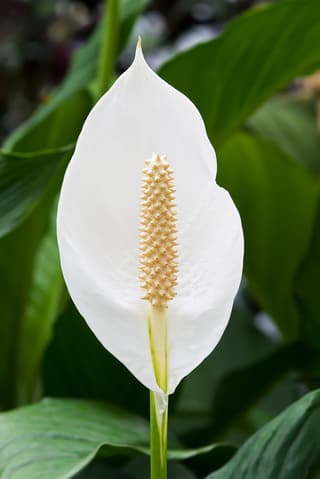
| Peace Lily | Easy | Low light | 4d | ⚠️ |
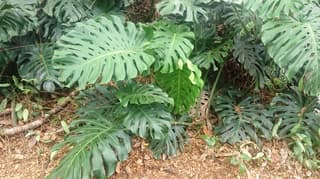
| Swiss Cheese Plant | Easy | Partial shade | 10d | ⚠️ |
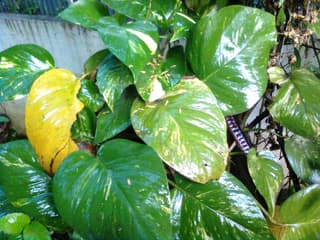
| Golden Pothos | Easy | Low light | 8d | ⚠️ |
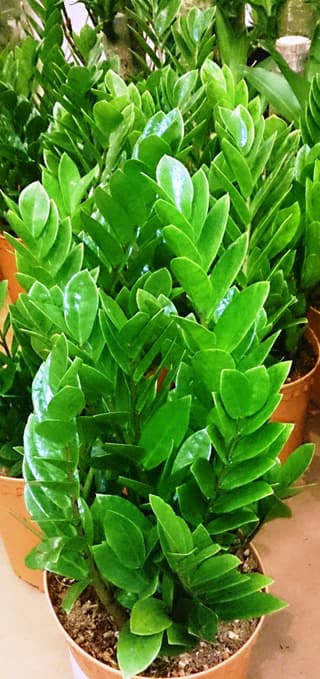
| ZZ Plant | Easy | Low light | 18d | ⚠️ |
Choose & Compare
Sources & References
- Garden chervil Care Guide: Pests, Diseases, Watering, Fertilizing & Toxicity
- Chervil: How Much Water & Light Does it Need to Thrive?
- Anthriscus cerefolium (Chervil) - Gardenia
- Anthriscus cerefolium - NC State Extension Gardener Plant Toolbox
- Cerefólio - Anthriscus cerefolium - Jardineiro.net
- Chervil Powdery Mildew - Pacific Northwest Pest Management Handbooks