Brassicaceae
How to Grow and Care for Chinese Cabbage (Napa Cabbage)
Brassica rapa pekinensis
Chinese Cabbage thrives in full sun and cool temperatures (4–24°C). It needs consistently moist, well-draining loamy soil rich in organic matter, regular watering every 2–3 days, and biweekly fertilization to support its fast growth. Harvest before bolting occurs in warm weather.
Every 3 days
Direct sun
4° - 24°C
50% - 75%
Categories
What is Chinese Cabbage?
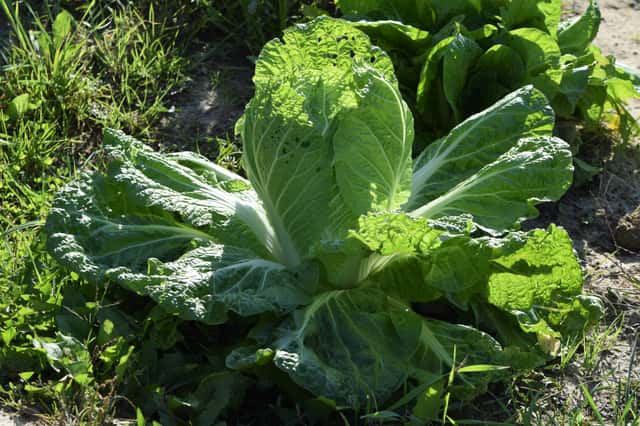
Chinese Cabbage (Brassica rapa pekinensis) is a easy-care plant from the Brassicaceae family. Chinese Cabbage (Brassica rapa pekinensis) is a cool-season leafy vegetable originating from China, belonging to the Brassicaceae family. It forms a tight cylindrical head of pale green, crinkled leaves and is one of the most widely cultivated vegetables in East Asia. It is prized for its mild, slig...
Chinese Cabbage grows up to 60cm, spread of 30cm, watering every 3 days, 4°C – 24°C, 50–75% humidity. It is suitable for indoor environments and safe for pets.
Unlike many tropical plants, Chinese Cabbage tolerates watering mistakes. Best for beginners. Unlike many popular species, Chinese Cabbage is safe to keep around pets. Without adequate drainage, root rot can develop within 7 days.
How to Care for Chinese Cabbage?
TLDR: Chinese Cabbage needs Direct sun, watering every 3 days, and temperatures between 4-24°C with 50-75% humidity.
How Often Should You Water Chinese Cabbage?
Water every 2–3 days to keep the soil consistently moist but never waterlogged. Mulching around the base helps retain soil moisture and regulate temperature. Avoid overhead watering to reduce the risk of fungal diseases.
How Much Light Does Chinese Cabbage Need?
Chinese Cabbage requires at least 6 hours of direct sunlight daily for optimal head formation. In hot climates, partial afternoon shade can prevent bolting. Indoors, place near a south-facing window or under bright grow lights.
What Is the Best Soil for Chinese Cabbage?
Plant in rich, loamy, well-draining soil with a pH of 6.0–7.5. Amend with generous amounts of compost or aged manure before planting. Avoid compacted or waterlogged soils, which promote root diseases.
What Pot Should You Use for Chinese Cabbage?
Terracotta pots or large containers (at least 30 cm deep) with drainage holes work well for container growing. Raised garden beds are ideal for outdoor cultivation.
Care Schedule
Fertilize
Every 14 days
What Is Chinese Cabbage and Where Does It Come From?
Chinese Cabbage (Brassica rapa pekinensis) is a cool-season leafy vegetable originating from China, belonging to the Brassicaceae family. It forms a tight cylindrical head of pale green, crinkled leaves and is one of the most widely cultivated vegetables in East Asia. It is prized for its mild, slightly sweet flavor and versatility in cooking.
How to Propagate Chinese Cabbage?
Seed Sowing
Direct sow in early spring or late summer for fall harvest. Avoid sowing during the hottest months to prevent bolting. Harden off indoor seedlings before transplanting.
- 1 Sow seeds directly into prepared, fertile soil 1 cm deep
- 2 Space seeds 30 cm apart in rows 45 cm apart
- 3 Keep soil consistently moist until germination
- 4 Thin seedlings to 30 cm spacing once established
- 5 Transplant seedlings at 4-week stage if started indoors
Materials needed:
How Big Does Chinese Cabbage Grow?
TLDR: Chinese Cabbage can reach up to 60cm tall with Fast growth rate.
Max height
60cm
Spread
30cm
Growth rate
Fast
Foliage
Deciduous
Plant Uses
Edible
Can be consumed
Culinary Uses
- Eaten raw in salads and coleslaw
- Essential ingredient in kimchi
- Stir-fried with garlic and oyster sauce
- Used in dumplings, soups, and hot pots
- Pickled in various East Asian recipes
Is your plant showing symptoms?
Click on the symptom to discover possible causes:
What Diseases Commonly Affect Chinese Cabbage?
TLDR: Chinese Cabbage is susceptible to 13 known diseases. Monitor regularly for early detection.
Leaf Spot
Leaf spot is a common fungal disease caused by various pathogens including Alternaria, Ascochyta, Colletotrichum, Septoria, and Venturia. It primarily affects leaves, causing discolored spots that can lead to premature leaf drop if left untreated.
Damping Off
Damping off is a soil-borne fungal disease that affects seeds and young seedlings, causing rotting of stem and root tissues at and below the soil line. It is caused by several fungi including Pythium, Rhizoctonia, Fusarium, and Phytophthora. The disease thrives in cold, wet conditions with poor air circulation.
Bacterial Soft Rot
Bacterial soft rot is a destructive plant disease caused primarily by bacteria from the genera Pectobacterium (formerly Erwinia) and Dickeya. These bacteria produce enzymes that break down plant cell walls, causing rapid and foul-smelling tissue decomposition. It mainly affects succulent tissues such as tubers, fruits, stems, and bulbs, being especially problematic in warm and humid conditions.
Downy Mildew
Downy mildew is a fungal-like disease caused by oomycetes (water molds) that thrives in cool, wet conditions. It affects a wide range of plants, causing yellowing leaves with fuzzy white-gray growth underneath, leading to defoliation and reduced yields if left untreated.
Meaning & Symbolism
In East Asian cultures, Chinese cabbage symbolizes prosperity, good luck, and abundance, and is a traditional ingredient in Chinese New Year dishes.
Fun Facts
Chinese Cabbage is one of the oldest cultivated vegetables in Asia, with records dating back over 1,500 years
It is the main ingredient in kimchi, the iconic Korean fermented dish
A single plant can produce a head weighing up to 2 kg under ideal conditions
Chinese Cabbage is high in vitamins C and K, and is very low in calories
Frequently asked questions
How often should I water Chinese Cabbage?
Is Chinese Cabbage toxic to pets?
Why is my Chinese Cabbage bolting?
Can I grow Chinese Cabbage indoors?
What are the most common pests on Chinese Cabbage?
Compare with similar plants
| Attribute | Difficulty | Light | Watering | Pet Safe |
|---|---|---|---|---|
| Field Maple | Easy | Bright indirect | 14d | ✓ |
| Silver Birch | Easy | Direct sun | 14d | ✓ |
| Common Blanketflower | Easy | Direct sun | 10d | ✓ |
| Cushion Bush | Easy | Direct sun | 14d | ✓ |





