Cycadaceae
Queen Sago (Cycas circinalis) Care Guide
Cycas circinalis
The Queen Sago thrives in bright, direct to partially filtered sunlight and requires very little water once established. Plant in well-draining soil and avoid overwatering. This plant is extremely drought-tolerant and highly toxic — keep away from children and pets. Feed monthly during the growing season and repot only when root-bound (every 2 years or more).
Every 18 days
Bright indirect
10° - 38°C
50% - 75%
Categories
What is Queen Sago?
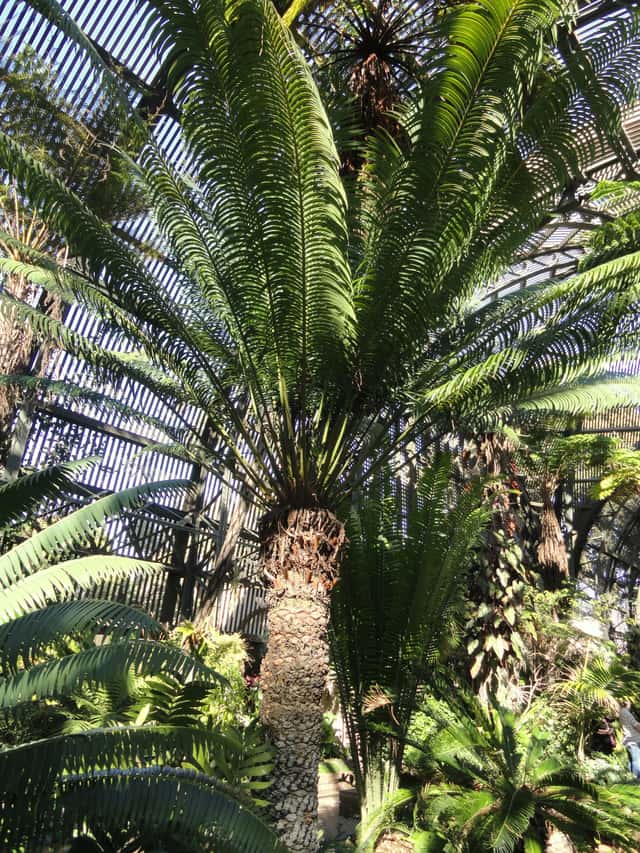
Queen Sago (Cycas circinalis) is a hard-care plant from the Cycadaceae family. Cycas circinalis, commonly known as the Queen Sago or Indian Cycad, is one of the oldest living plant genera on Earth, dating back over 280 million years. Native to tropical Asia, this majestic cycad features a stout trunk topped with a crown of long, arching, deep-green feathery fronds. It is a slo...
Queen Sago grows up to 3.5m, with spread of 200cm, watering every 18 days, 10°C – 38°C, 50–75% humidity. It is suitable for indoor environments and not safe for pets.
Unlike easy-care plants, Queen Sago demands constant attention to humidity and light. Not recommended for beginners. Without precautions, ingestion can cause irritation in pets. Keep out of reach of cats and dogs. Without adequate drainage, root rot can develop within 36 days.
How to Care for Queen Sago?
TLDR: Queen Sago needs Bright indirect, watering every 18 days, and temperatures between 10-38°C with 50-75% humidity.
How Often Should You Water Queen Sago?
Water every 2–3 weeks, allowing the soil to dry out completely between waterings. Cycas circinalis is highly drought-tolerant and extremely susceptible to root rot from overwatering. Reduce watering frequency in winter.
How Much Light Does Queen Sago Need?
Provide full sun to partial shade. Indoors, place near the brightest window available. Outdoors, it thrives in full sun with some afternoon shade in very hot climates. Insufficient light causes slow growth and yellowing fronds.
What Is the Best Soil for Queen Sago?
Use a well-draining mix such as sandy loam or a cactus/palm mix amended with perlite. Avoid heavy clay or waterlogged soils. A slightly acidic to neutral pH (5.5–7.0) is ideal.
What Pot Should You Use for Queen Sago?
A clay or terracotta pot with drainage holes is ideal to prevent waterlogging. Ensure the pot is only slightly larger than the root ball. Avoid glazed pots that retain moisture.
Care Schedule
Fertilize
Every 90 days
Repot
Every 730 days
What Is Queen Sago and Where Does It Come From?
Cycas circinalis, commonly known as the Queen Sago or Indian Cycad, is one of the oldest living plant genera on Earth, dating back over 280 million years. Native to tropical Asia, this majestic cycad features a stout trunk topped with a crown of long, arching, deep-green feathery fronds. It is a slow-growing, long-lived plant prized for its prehistoric appearance and landscape value in tropical and subtropical gardens.
How to Propagate Queen Sago?
Seed Propagation
Fresh seeds germinate more reliably. Keep temperature consistently warm. Do not overwater during germination.
- 1 Collect ripe seeds and remove the outer fleshy coating
- 2 Soak seeds in warm water for 24 hours to soften the seed coat
- 3 Sow in a warm, moist propagation mix at 25°C (77°F)
- 4 Keep in a warm, humid environment and water sparingly
- 5 Germination may take 1 to 3 months — be patient
Materials needed:
Sucker Division
Always wear gloves — all parts of this plant are toxic. Let the offset dry before planting to prevent rot.
- 1 Identify offsets (pups) growing at the base of the parent plant
- 2 Carefully remove the offset with a clean, sharp tool
- 3 Allow the cut surface to callous for several days
- 4 Plant in well-draining mix and keep in indirect light until established
Materials needed:
How Big Does Queen Sago Grow?
TLDR: Queen Sago can reach up to 3.5m tall with Slow growth rate.
Max height
3.5m
Spread
2.0m
Growth rate
Slow
Foliage
Evergreen
Warning: Toxic Plant
This plant can be toxic if ingested. Keep out of reach of:
Plant Uses
Ornamental
Great for decoration
Medicinal
Medicinal properties
Edible
Can be consumed
Medicinal Uses
- Traditional use of pollen and bark in Ayurvedic medicine (note: scientific evidence is limited and some compounds are toxic)
- Historically used in some Asian folk remedies for inflammation and wounds
Culinary Uses
- Seeds can be processed and eaten after extensive detoxification (not recommended without expert knowledge)
- Starchy pith used traditionally to make sago flour in parts of Asia (kills the plant)
Is your plant showing symptoms?
Click on the symptom to discover possible causes:
What Diseases Commonly Affect Queen Sago?
TLDR: Queen Sago is susceptible to 5 known diseases. Monitor regularly for early detection.
Scale Insects
Scale insects are small sap-sucking pests that appear as brown, shell-like bumps on plant stems and leaves. There are over 25 species, divided into armored (hard) and unarmored (soft) scales. They feed by piercing plant tissue and extracting sap, which weakens the plant and can lead to yellowing, stunted growth, and even death if left untreated. They also excrete honeydew, which attracts ants and promotes sooty mold growth.
Mealybugs
Mealybugs are small, soft-bodied insects covered with a white, waxy, cottony material. They are common pests of houseplants and outdoor plants in mild climates. These sap-sucking insects feed on plant tissue, causing damage, stunted growth, and can lead to plant death if left untreated. They produce sticky honeydew which attracts sooty mold.
Thrips
Thrips are tiny cigar-shaped insects (1/25-inch long) that damage plants by sucking plant juices and scraping at fruits, flowers, and leaves. With over 6,000 species and rapid reproduction (lifecycle as short as 14 days), they can quickly infest plants and transmit viruses like tomato spotted wilt virus.
Leaf Spot
Leaf spot is a common fungal disease caused by various pathogens including Alternaria, Ascochyta, Colletotrichum, Septoria, and Venturia. It primarily affects leaves, causing discolored spots that can lead to premature leaf drop if left untreated.
Meaning & Symbolism
In many Asian cultures, cycads symbolize resilience, longevity, and connection to ancient times. Their prehistoric presence evokes reverence for nature's enduring power.
Fun Facts
Cycas circinalis is one of the oldest plant genera alive, with a lineage stretching back more than 280 million years — predating dinosaurs.
Despite being called a 'sago palm', it is not a true palm at all — it belongs to the ancient Cycadaceae family.
All parts of this plant are toxic enough to cause severe liver damage or death if ingested by humans or pets.
Queen Sago can live for hundreds of years in suitable tropical climates.
Frequently asked questions
How often should I water Queen Sago?
Is Queen Sago toxic to pets?
Can Queen Sago grow indoors?
Why are my Queen Sago fronds turning yellow?
How fast does Queen Sago grow?
Compare with similar plants
| Attribute | Difficulty | Light | Watering | Pet Safe |
|---|---|---|---|---|
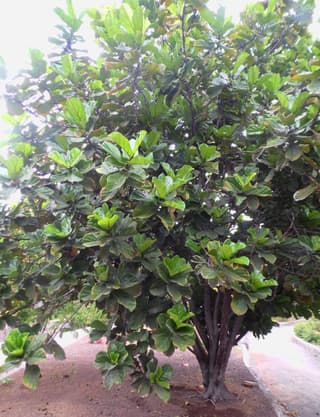
| Fiddle Leaf Fig | Hard | Bright indirect | 10d | ⚠️ |
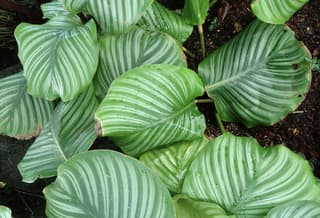
| Round-leaf Calathea | Hard | Partial shade | 7d | ✓ |
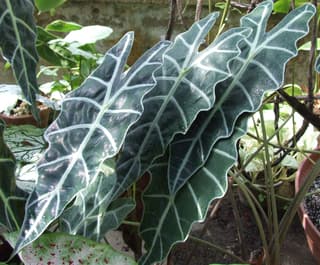
| African Mask Plant | Hard | Partial shade | 5d | ⚠️ |
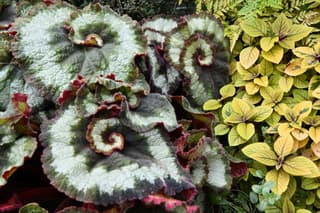
| Rex Begonia | Hard | Partial shade | 7d | ⚠️ |