Asparagaceae
Cooper's False Scilla (Ledebouria cooperi)
Ledebouria cooperi
An easy-care bulbous plant that thrives in bright light with minimal watering. Allow soil to dry completely between waterings. Tolerates drought well and requires very little attention once established.
Every 12 days
Bright indirect
10° - 30°C
30% - 50%
Categories
What is Cooper's False Scilla?
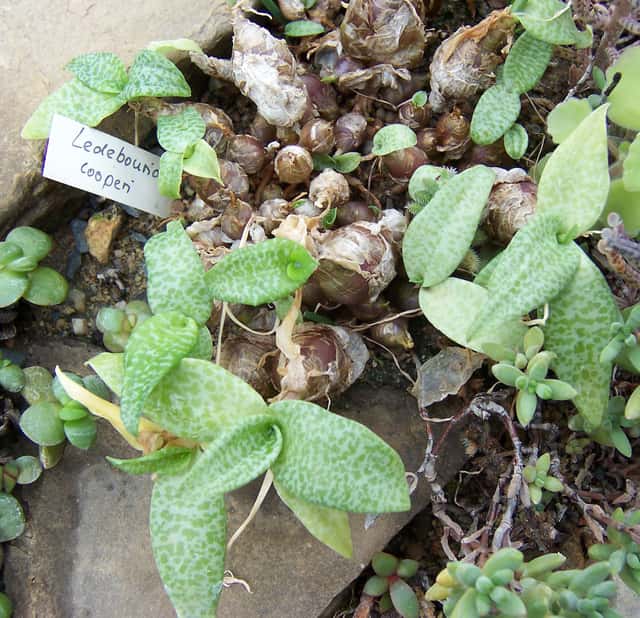
Cooper's False Scilla (Ledebouria cooperi) is a easy-care plant from the Asparagaceae family. Ledebouria cooperi is a charming deciduous bulbous perennial native to South Africa. It produces narrow, lance-shaped leaves adorned with distinctive purple spots and stripes on an olive-green background, growing up to 25 cm tall. In spring and summer, it sends up graceful drooping racemes of small,...
Cooper's False Scilla grows up to 25cm, with spread of 30cm, watering every 12 days, 10°C – 30°C, 30–50% humidity. It is suitable for indoor environments and not safe for pets.
Unlike many tropical plants, Cooper's False Scilla tolerates watering mistakes. Best for beginners. Without precautions, ingestion can cause irritation in pets. Keep out of reach of cats and dogs. Without adequate drainage, root rot can develop within 24 days.
How to Care for Cooper's False Scilla?
TLDR: Cooper's False Scilla needs Bright indirect, watering every 12 days, and temperatures between 10-30°C with 30-50% humidity.
How Often Should You Water Cooper's False Scilla?
Water every 10-14 days, allowing the soil to dry out completely between waterings. Reduce watering significantly in winter during dormancy. Always err on the side of underwatering — this plant handles drought far better than soggy soil.
How Much Light Does Cooper's False Scilla Need?
Provide bright light with 3-4 hours of direct sunlight daily. A south or east-facing window is ideal. Insufficient light causes loss of the distinctive leaf patterns and stretching.
What Is the Best Soil for Cooper's False Scilla?
Use a well-draining mix such as cactus/succulent soil or a blend of 50% potting soil, 30% horticultural sand, and 20% perlite. Plant bulbs with only the bottom half buried in the mix.
What Pot Should You Use for Cooper's False Scilla?
Use a shallow, wide pot (pan or half-pot) with drainage holes. Terracotta is ideal as it allows the soil to dry faster, preventing root rot.
Care Schedule
Fertilize
Every 90 days
Repot
Every 730 days
What Is Cooper's False Scilla and Where Does It Come From?
Ledebouria cooperi is a charming deciduous bulbous perennial native to South Africa. It produces narrow, lance-shaped leaves adorned with distinctive purple spots and stripes on an olive-green background, growing up to 25 cm tall. In spring and summer, it sends up graceful drooping racemes of small, star-shaped pink to lilac flowers. This low-maintenance bulb forms dense colonies through underground stolons and is prized as both a houseplant and garden specimen.
How to Propagate Cooper's False Scilla?
Bulb Division
Division is best done when repotting an overcrowded plant. Each division should have healthy roots attached.
- 1 Remove the plant from its pot and gently shake off excess soil
- 2 Carefully separate individual bulbs or clumps with roots attached
- 3 Allow cut surfaces to dry for a day before replanting
- 4 Plant each division in fresh well-draining soil mix
- 5 Water lightly and place in bright indirect light
Materials needed:
Seed Propagation
Use fresh seeds for best germination rates. Seedlings will flower within 1-2 years.
- 1 Collect fresh seeds from mature seed capsules
- 2 Sow seeds on the surface of moist seedling mix
- 3 Cover lightly with fine vermiculite
- 4 Keep consistently moist but not waterlogged
- 5 Seedlings should appear within 2 weeks
Materials needed:
How Big Does Cooper's False Scilla Grow?
TLDR: Cooper's False Scilla can reach up to 25cm tall with Slow growth rate.
Max height
25cm
Spread
30cm
Growth rate
Slow
Foliage
Deciduous
Warning: Toxic Plant
This plant can be toxic if ingested. Keep out of reach of:
Plant Uses
Ornamental
Great for decoration
Is your plant showing symptoms?
Click on the symptom to discover possible causes:
What Diseases Commonly Affect Cooper's False Scilla?
TLDR: Cooper's False Scilla is susceptible to 7 known diseases. Monitor regularly for early detection.
Root Rot
Root rot is a serious fungal disease that affects the root system of plants, causing them to decay and die. It is primarily caused by overwatering, poor drainage, or soil-borne fungi such as Pythium, Phytophthora, Rhizoctonia, and Fusarium. The disease thrives in waterlogged conditions where roots are deprived of oxygen, making them susceptible to fungal infection.
Spider Mites
Spider mites are tiny arachnids (less than 1/20 inch long) related to spiders and ticks that feed on plant sap. They thrive in hot, dry conditions and can cause significant damage to ornamental and vegetable plants. During severe infestations, crop losses can reach 14% or higher as these pests disrupt vital plant processes including photosynthesis, carbon dioxide absorption, and transpiration.
Mealybugs
Mealybugs are small, soft-bodied insects covered with a white, waxy, cottony material. They are common pests of houseplants and outdoor plants in mild climates. These sap-sucking insects feed on plant tissue, causing damage, stunted growth, and can lead to plant death if left untreated. They produce sticky honeydew which attracts sooty mold.
Aphids
Aphids are small, soft-bodied, pear-shaped insects (1/16 to 1/8 inch long) that feed by sucking nutrient-rich sap from plants. They reproduce rapidly and can quickly weaken plants, causing distorted growth and transmitting plant viruses. Aphids come in various colors including green, black, red, yellow, brown, and gray. They secrete honeydew, a sticky substance that attracts ants and encourages sooty mold growth.
Meaning & Symbolism
Symbolizes resilience and adaptability, reflecting its ability to thrive in harsh South African conditions.
Fun Facts
Ledebouria cooperi forms dense colonies in the wild through underground stolons, creating carpets of spotted foliage across South African grasslands
The genus Ledebouria is named after German-Estonian botanist Carl Friedrich von Ledebour
Despite being deciduous, the bulbs can survive severe winter frost if kept dry during dormancy
Seedlings from this species can flower within just 1-2 years — unusually fast for a bulbous plant
Frequently asked questions
How often should I water Cooper's False Scilla?
Is Ledebouria cooperi toxic to pets?
Why is my Ledebouria losing its leaf patterns?
When does Cooper's False Scilla bloom?
Compare with similar plants
| Attribute | Difficulty | Light | Watering | Pet Safe |
|---|---|---|---|---|
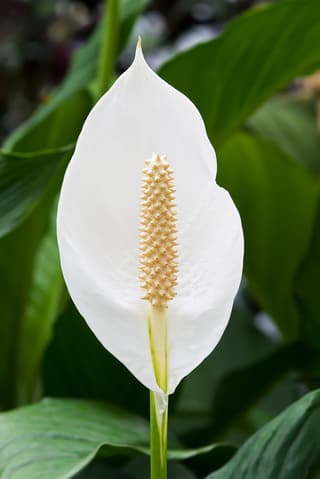
| Peace Lily | Easy | Low light | 4d | ⚠️ |
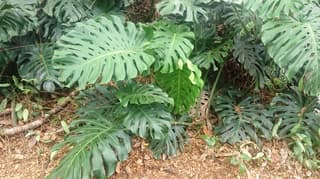
| Swiss Cheese Plant | Easy | Partial shade | 10d | ⚠️ |
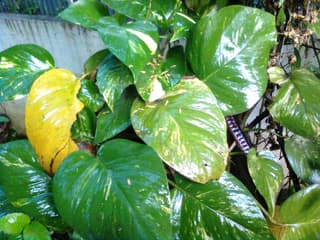
| Golden Pothos | Easy | Low light | 8d | ⚠️ |
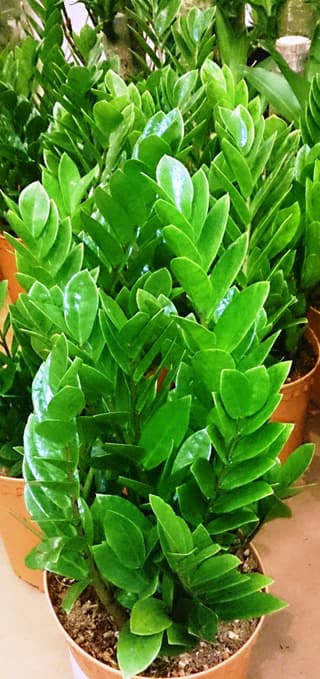
| ZZ Plant | Easy | Low light | 18d | ⚠️ |