Asteraceae
Mexican Flame Vine (Senecio confusus)
Senecio confusus
Low-maintenance plant that thrives in full sun with moderate, regular watering. Drought-tolerant once established. Occasional light pruning after bloom cycles encourages denser growth and prolongs flowering.
Every 7 days
Direct sun
10° - 35°C
40% - 70%
Categories
What is Mexican Flame Vine?
Mexican Flame Vine (Senecio confusus) is a easy-care plant from the Asteraceae family. Mexican Flame Vine (Senecio confusus) is a vigorous, fast-growing evergreen climber native to Mexico and Central America. It is celebrated for its stunning, daisy-like flowers in bright orange-red hues with golden centers that bloom almost year-round in warm climates. It can reach 12 feet or more wh...
Mexican Flame Vine grows up to 3.6m, with spread of 180cm, watering every 7 days, 10°C – 35°C, 40–70% humidity. It is suitable for indoor environments and not safe for pets.
Unlike many tropical plants, Mexican Flame Vine tolerates watering mistakes. Best for beginners. Without precautions, ingestion can cause irritation in pets. Keep out of reach of cats and dogs. Without adequate drainage, root rot can develop within 14 days.
How to Care for Mexican Flame Vine?
TLDR: Mexican Flame Vine needs Direct sun, watering every 7 days, and temperatures between 10-35°C with 40-70% humidity.
How Often Should You Water Mexican Flame Vine?
Water every 7-10 days during the growing season, allowing the top inch of soil to dry out between waterings. Reduce to every 14 days in winter. Never let the plant sit in waterlogged soil to avoid root rot.
How Much Light Does Mexican Flame Vine Need?
Requires at least 6 hours of direct sunlight per day for prolific blooming. Tolerates partial shade, though flowering will be reduced. Best placed in a south, east, or west-facing position.
What Is the Best Soil for Mexican Flame Vine?
Use well-draining soil rich in organic matter. A mix of garden soil with 30% perlite or coarse sand works well. Ideal pH is 6.0-7.5. Avoid heavy clay soils that retain excessive moisture.
What Pot Should You Use for Mexican Flame Vine?
Terracotta or ceramic pot with a drainage hole. For outdoor growing, large planters or direct ground planting are ideal. Indoors, a hanging basket showcases its trailing stems beautifully.
Care Schedule
Fertilize
Every 30 days
Repot
Every 730 days
What Is Mexican Flame Vine and Where Does It Come From?
Mexican Flame Vine (Senecio confusus) is a vigorous, fast-growing evergreen climber native to Mexico and Central America. It is celebrated for its stunning, daisy-like flowers in bright orange-red hues with golden centers that bloom almost year-round in warm climates. It can reach 12 feet or more when given suitable support such as trellises, fences, or arbors. A superb attractor of butterflies, bees, and hummingbirds.
How to Propagate Mexican Flame Vine?
Stem Cutting
Use clean, sharp scissors or pruners. Water sparingly until new growth appears. If rooting in water, change it every 3-4 days to prevent bacterial buildup.
- 1 Take a healthy stem cutting of 4-6 inches with at least 2 nodes
- 2 Remove lower leaves, leaving 2-3 at the tip
- 3 Apply rooting hormone powder to the cut end
- 4 Insert into moist, well-draining potting mix or a glass of clean water
- 5 Keep in a warm location with indirect light until roots form
Materials needed:
How Big Does Mexican Flame Vine Grow?
TLDR: Mexican Flame Vine can reach up to 3.6m tall with Fast growth rate.
Max height
3.6m
Spread
1.8m
Growth rate
Fast
Foliage
Evergreen
Warning: Toxic Plant
This plant can be toxic if ingested. Keep out of reach of:
Plant Uses
Ornamental
Great for decoration
Is your plant showing symptoms?
Click on the symptom to discover possible causes:
What Diseases Commonly Affect Mexican Flame Vine?
TLDR: Mexican Flame Vine is susceptible to 9 known diseases. Monitor regularly for early detection.
Powdery Mildew
Powdery mildew is a common fungal disease caused by various fungi species including Erysiphe, Podosphaera, Oïdium, and Leveillula. It affects over 10,000 plant species worldwide. The disease thrives in warm, dry climates with high humidity and appears as a distinctive white powdery coating on plant surfaces.
Root Rot
Root rot is a serious fungal disease that affects the root system of plants, causing them to decay and die. It is primarily caused by overwatering, poor drainage, or soil-borne fungi such as Pythium, Phytophthora, Rhizoctonia, and Fusarium. The disease thrives in waterlogged conditions where roots are deprived of oxygen, making them susceptible to fungal infection.
Leaf Spot
Leaf spot is a common fungal disease caused by various pathogens including Alternaria, Ascochyta, Colletotrichum, Septoria, and Venturia. It primarily affects leaves, causing discolored spots that can lead to premature leaf drop if left untreated.
Aphids
Aphids are small, soft-bodied, pear-shaped insects (1/16 to 1/8 inch long) that feed by sucking nutrient-rich sap from plants. They reproduce rapidly and can quickly weaken plants, causing distorted growth and transmitting plant viruses. Aphids come in various colors including green, black, red, yellow, brown, and gray. They secrete honeydew, a sticky substance that attracts ants and encourages sooty mold growth.
Meaning & Symbolism
Symbolizes vitality and tropical exuberance. Its cascading orange blossoms evoke fire and solar energy, often associated with warmth and passion.
Fun Facts
Mexican Flame Vine can bloom almost year-round in warm climates, making it a near-permanent display of fiery color
Its flowers attract hummingbirds, butterflies, and bees, making it a valuable plant for pollinators
The species name 'confusus' reflects historical taxonomic confusion — some classify it as Pseudogynoxys chenopodioides
In its native Mexican habitat, it can climb several meters, draping over trees and shrubs
Frequently asked questions
How often should I water Mexican Flame Vine?
Is Mexican Flame Vine toxic to pets?
How much light does it need?
How do I propagate Mexican Flame Vine?
Does it need pruning?
Compare with similar plants
| Attribute | Difficulty | Light | Watering | Pet Safe |
|---|---|---|---|---|
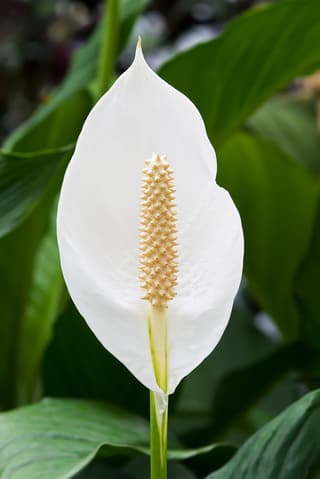
| Peace Lily | Easy | Low light | 4d | ⚠️ |
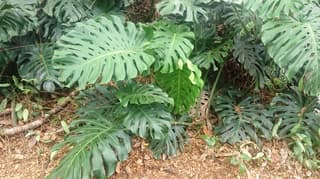
| Swiss Cheese Plant | Easy | Partial shade | 10d | ⚠️ |
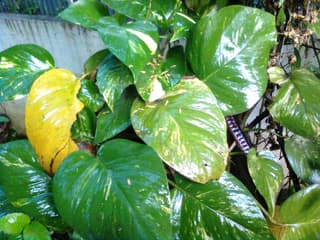
| Golden Pothos | Easy | Low light | 8d | ⚠️ |
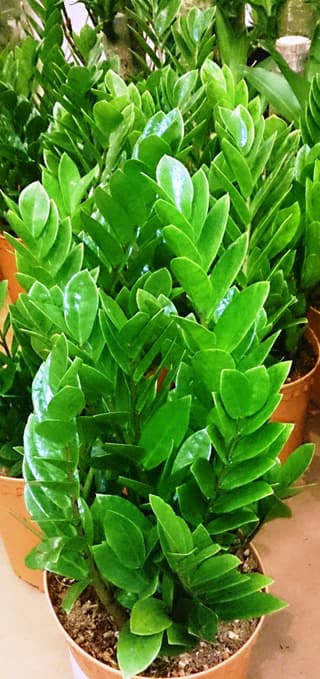
| ZZ Plant | Easy | Low light | 18d | ⚠️ |