Cupressaceae
Mexican Cypress (Cupressus lusitanica)
Cupressus lusitanica
Low-maintenance tree that thrives in full sun and well-draining soils. Drought-tolerant once established but benefits from regular watering during the first 2–3 years. Does not tolerate waterlogged soils.
Every 14 days
Direct sun
12° - 30°C
40% - 80%
Categories
What is Mexican Cypress?
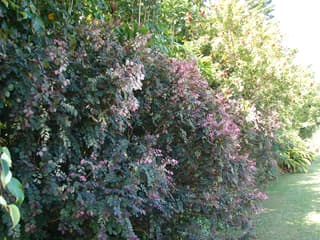
Mexican Cypress (Cupressus lusitanica) is a easy-care plant from the Cupressaceae family. Cupressus lusitanica, commonly known as Mexican cypress or Cedar of Goa, is a large evergreen conifer native to Mexico and Central America. Growing at elevations between 1,500 and 3,000 meters, it forms an elegant conical to columnar crown reaching up to 35 meters tall. Its reddish-brown fibrous bar...
Mexican Cypress grows up to 35.0m, spread of 2000cm, watering every 14 days, 12°C – 30°C, 40–80% humidity. It is not suitable for indoor environments and safe for pets.
Unlike many tropical plants, Mexican Cypress tolerates watering mistakes. Best for beginners. Unlike many popular species, Mexican Cypress is safe to keep around pets.
How to Care for Mexican Cypress?
TLDR: Mexican Cypress needs Direct sun, watering every 14 days, and temperatures between 12-30°C with 40-80% humidity.
How Often Should You Water Mexican Cypress?
Water every 14 days during the establishment period, allowing soil to dry partially between waterings. Once established, Mexican cypress is drought-tolerant and requires minimal irrigation.
How Much Light Does Mexican Cypress Need?
Requires full sun — at least 6 hours of direct sunlight per day. Plant in an open location away from shade cast by buildings or larger trees.
What Is the Best Soil for Mexican Cypress?
Grows best in well-draining loamy to sandy soils. Adapts to various soil textures as long as drainage is adequate. Ideal pH range is 5.5–7.5; avoid heavy clay or waterlogged substrates.
Care Schedule
Fertilize
Every 14 days
Misting
Every 3 days
Rotate
Every 7 days
Repot
Every 365 days
What Is Mexican Cypress and Where Does It Come From?
Cupressus lusitanica, commonly known as Mexican cypress or Cedar of Goa, is a large evergreen conifer native to Mexico and Central America. Growing at elevations between 1,500 and 3,000 meters, it forms an elegant conical to columnar crown reaching up to 35 meters tall. Its reddish-brown fibrous bark and dark green scale-like foliage make it a highly prized ornamental tree in parks and avenues, while it is also widely planted for timber, windbreaks, and reforestation projects across tropical highlands worldwide.
How Big Does Mexican Cypress Grow?
TLDR: Mexican Cypress can reach up to 35.0m tall with Fast growth rate.
Max height
35.0m
Spread
20.0m
Growth rate
Fast
Foliage
Evergreen
Plant Uses
Ornamental
Great for decoration
Is your plant showing symptoms?
Click on the symptom to discover possible causes:
What Diseases Commonly Affect Mexican Cypress?
TLDR: Mexican Cypress is susceptible to 9 known diseases. Monitor regularly for early detection.
Root Rot
Root rot is a serious fungal disease that affects the root system of plants, causing them to decay and die. It is primarily caused by overwatering, poor drainage, or soil-borne fungi such as Pythium, Phytophthora, Rhizoctonia, and Fusarium. The disease thrives in waterlogged conditions where roots are deprived of oxygen, making them susceptible to fungal infection.
Canker
Canker is a disease caused by various fungi and bacteria that create necrotic, sunken areas on bark of branches, stems, and trunks. Pathogens enter through wounds and natural openings, especially when plants are stressed. Canker can gradually weaken or kill branches by disrupting water and nutrient flow.
Aphids
Aphids are small, soft-bodied, pear-shaped insects (1/16 to 1/8 inch long) that feed by sucking nutrient-rich sap from plants. They reproduce rapidly and can quickly weaken plants, causing distorted growth and transmitting plant viruses. Aphids come in various colors including green, black, red, yellow, brown, and gray. They secrete honeydew, a sticky substance that attracts ants and encourages sooty mold growth.
Rust
Rust is a common fungal disease caused by fungi in the order Pucciniales that affects a wide variety of plants. The disease gets its name from the characteristic orange, yellow, or reddish-brown pustules that appear on leaves, resembling metal rust. This obligate fungal parasite requires living plants to survive and can cause significant economic losses in agricultural crops.
Meaning & Symbolism
Symbol of longevity, resilience, and connection to the sacred in Mesoamerican cultures
Fun Facts
The species name "lusitanica" was given by European botanists who first encountered the tree growing in Portugal (Lusitania) before its Mexican origin was identified.
Mexican cypress is one of the fastest-growing conifers in the world, capable of adding up to 1 meter of height per year under ideal conditions.
Its essential oil has been used in European and Central American perfumery and cosmetics for centuries.
Compare with similar plants
| Attribute | Difficulty | Light | Watering | Pet Safe |
|---|---|---|---|---|
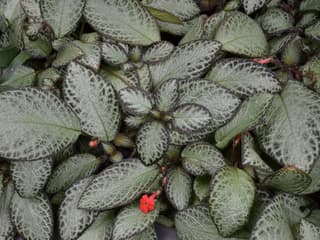
| Flame Violet | Easy | Partial shade | 7d | ✓ |
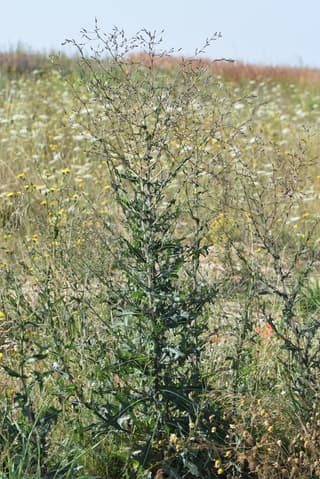
| Prickly Lettuce | Easy | Direct sun | 7d | ✓ |
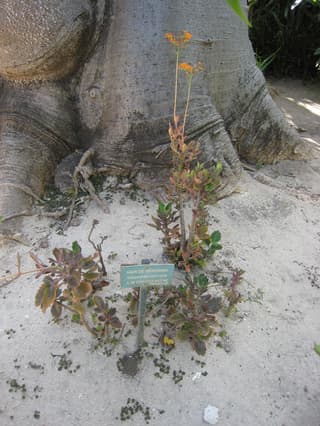
| Christmas Tree Plant | Easy | Bright indirect | 10d | ⚠️ |
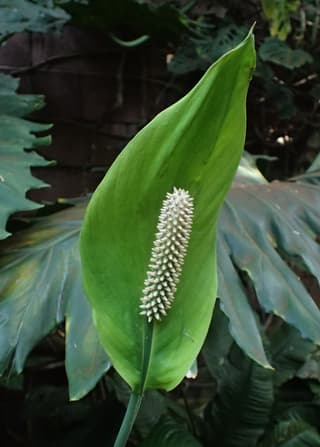
| Peace Lily | Easy | Low light | 7d | ⚠️ |