Poaceae
Java Citronella (Cymbopogon winterianus): Complete Care Guide
Cymbopogon winterianus
Full sun plant that thrives in well-draining, fertile soils. Water regularly keeping the soil slightly moist without waterlogging. Fertilize every 30 days during the growing season. Prune periodically to stimulate growth and essential oil production.
Every 5 days
Direct sun
16° - 36°C
60% - 90%
Categories
What is Java Citronella?
Java Citronella (Cymbopogon winterianus) is a easy-care plant from the Poaceae family. Java Citronella (Cymbopogon winterianus) is a tropical perennial grass native to Southeast Asia, particularly the island of Java, Indonesia. It is widely cultivated for its essential oil, rich in citronellal and geraniol, which is used in insect repellents, cosmetics, perfumery, and aromatherapy. Th...
Java Citronella grows up to 2.5m, with spread of 120cm, watering every 5 days, 16°C – 36°C, 60–90% humidity. It is not suitable for indoor environments and not safe for pets.
Unlike many tropical plants, Java Citronella tolerates watering mistakes. Best for beginners. Without precautions, ingestion can cause irritation in pets. Keep out of reach of cats and dogs.
How to Care for Java Citronella?
TLDR: Java Citronella needs Direct sun, watering every 5 days, and temperatures between 16-36°C with 60-90% humidity.
How Often Should You Water Java Citronella?
Water every 4-6 days in warm weather, keeping the soil slightly moist. Avoid waterlogging as wet roots predispose the plant to fungal diseases. During dry spells, increase watering frequency. Always plant in pots or beds with good drainage.
How Much Light Does Java Citronella Need?
Requires full sun exposure with at least 6-8 hours of direct sunlight per day. In partial shade, growth is reduced and essential oil production drops significantly. Ideal for sunny gardens, south-facing terraces, or open ground.
What Is the Best Soil for Java Citronella?
Prefers well-draining, sandy-loam, fertile soils rich in organic matter. Tolerates pH between 5.0 and 7.8, ideal range 5.5-6.5. Avoid compacted or poorly draining soils. Mixing sand and organic compost significantly improves substrate structure.
What Pot Should You Use for Java Citronella?
Large clay or plastic pots (minimum 30-40 cm diameter) with drainage holes. In gardens, plant directly in the ground. Avoid small pots as the plant grows vigorously.
Care Schedule
Fertilize
Every 30 days
Repot
Every 365 days
What Is Java Citronella and Where Does It Come From?
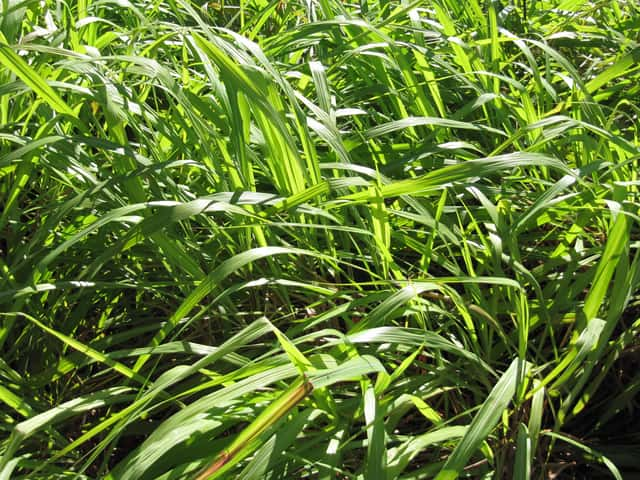
Java Citronella (Cymbopogon winterianus) is a tropical perennial grass native to Southeast Asia, particularly the island of Java, Indonesia. It is widely cultivated for its essential oil, rich in citronellal and geraniol, which is used in insect repellents, cosmetics, perfumery, and aromatherapy. The plant forms dense, aromatic clumps of long leaves and can reach up to 2.5 meters in height under favorable conditions.
How to Propagate Java Citronella?
Clump Division
Divide in early spring for best results. Use clean, sharp tools. Divisions root quickly, forming new shoots within a month.
- 1 Remove the mother plant from the soil or pot
- 2 Divide the clump into sections with at least 3-4 tillers each
- 3 Plant each division in fertile, well-draining substrate
- 4 Water thoroughly after planting and keep soil moist during rooting
Materials needed:
Stem Cutting
Change water every 2-3 days if propagating in water. Maintain temperature above 20°C for best rooting results.
- 1 Cut young, healthy stems 20-30 cm long
- 2 Remove lower leaves, keeping only 2-3 leaves at the top
- 3 Place in water or moist substrate
- 4 Keep in a warm, bright indirect light location until rooted
Materials needed:
How Big Does Java Citronella Grow?
TLDR: Java Citronella can reach up to 2.5m tall with Fast growth rate.
Max height
2.5m
Spread
1.2m
Growth rate
Fast
Foliage
Evergreen
Warning: Toxic Plant
This plant can be toxic if ingested. Keep out of reach of:
Plant Uses
Aromatic
Pleasant fragrance
Medicinal
Medicinal properties
Ornamental
Great for decoration
Medicinal Uses
- Essential oil used in aromatherapy to relieve muscle and joint pain
- Leaf infusion used in traditional medicine for fever, headaches, and digestive disorders
- Recognized in Asian traditional medicine as a natural anti-inflammatory
Is your plant showing symptoms?
Click on the symptom to discover possible causes:
What Diseases Commonly Affect Java Citronella?
TLDR: Java Citronella is susceptible to 5 known diseases. Monitor regularly for early detection.
Fusarium Wilt
Fusarium wilt is a serious fungal disease caused by the soil-borne fungus Fusarium oxysporum. The fungus invades roots and blocks the water-conducting vessels (xylem) of the plant, causing progressive wilting and eventual death. Host-specific forms of the pathogen exist that attack different plant species.
Pythium Root Rot
Pythium root rot is a serious fungal disease caused by various Pythium species including P. aphanidermatum, P. ultimum, and P. irregulare. These water molds are present in practically all cultivated soils and attack plant roots under wet conditions, causing rapid wet rot that can extend into the stem. The disease is favored by poor drainage, overwatering, and specific temperatures depending on the species.
Leaf Spot
Leaf spot is a common fungal disease caused by various pathogens including Alternaria, Ascochyta, Colletotrichum, Septoria, and Venturia. It primarily affects leaves, causing discolored spots that can lead to premature leaf drop if left untreated.
Rust
Rust is a common fungal disease caused by fungi in the order Pucciniales that affects a wide variety of plants. The disease gets its name from the characteristic orange, yellow, or reddish-brown pustules that appear on leaves, resembling metal rust. This obligate fungal parasite requires living plants to survive and can cause significant economic losses in agricultural crops.
Meaning & Symbolism
Symbol of natural protection and purity. Traditionally used to repel insects and negative energies in Southeast Asian cultures.
Fun Facts
Cymbopogon winterianus essential oil is 10 times richer in citronellal than common lemongrass
It is commercially cultivated in India, Sri Lanka, and Indonesia for essential oil production
A single clump can produce several liters of essential oil per year under ideal conditions
The plant forms new shoots within a month after clump division
Frequently asked questions
How often should I water Java Citronella?
Is Java Citronella toxic to pets?
How much sun does Java Citronella need?
How do I propagate Java Citronella?
What diseases affect Java Citronella?
Compare with similar plants
| Attribute | Difficulty | Light | Watering | Pet Safe |
|---|---|---|---|---|
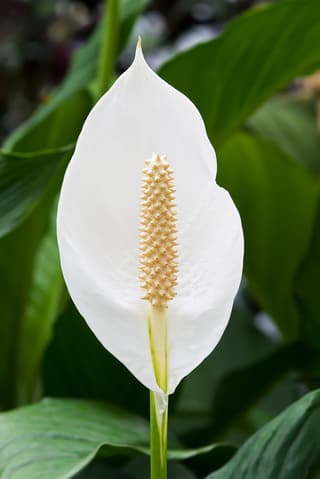
| Peace Lily | Easy | Low light | 4d | ⚠️ |
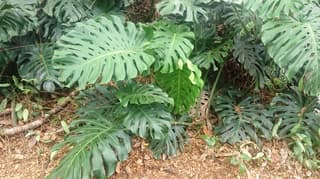
| Swiss Cheese Plant | Easy | Partial shade | 10d | ⚠️ |
| Golden Pothos | Easy | Low light | 8d | ⚠️ |
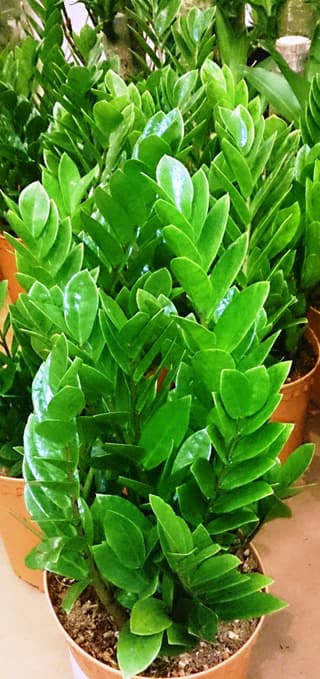
| ZZ Plant | Easy | Low light | 18d | ⚠️ |