Asteraceae
Coatbuttons (Tridax procumbens): Complete Growing & Care Guide
Tridax procumbens
Hardy and easy to grow. Prefers full sun and well-draining loamy soil. Water weekly and allow soil to dry between waterings. Drought-tolerant once established.
Every 7 days
Direct sun
15° - 38°C
40% - 70%
Categories
What is Coatbuttons?
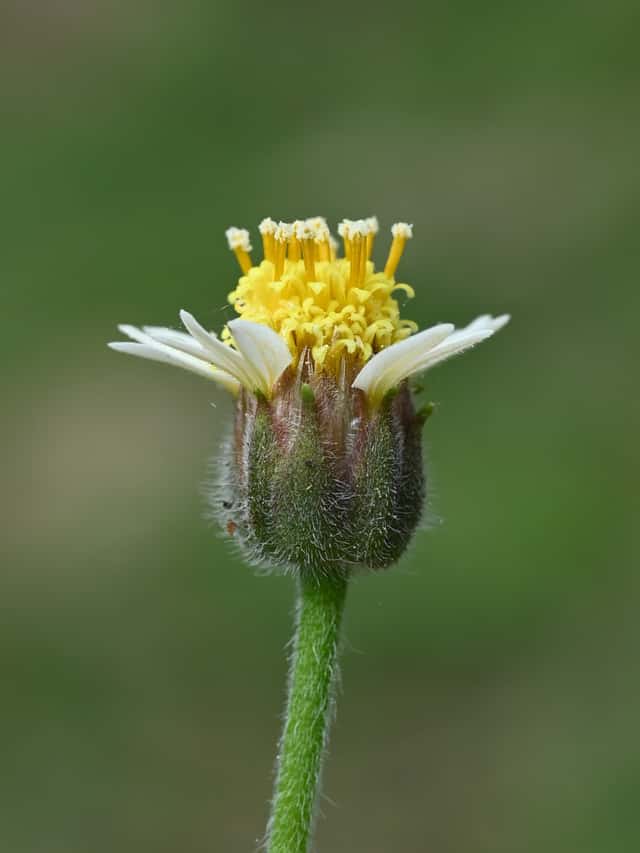
Coatbuttons (Tridax procumbens) is a easy-care plant from the Asteraceae family. Coatbuttons (Tridax procumbens) is a creeping herbaceous plant in the Asteraceae family, native to tropical Americas and now naturalized throughout the tropics worldwide. It produces small daisy-like flowers with white ray florets and yellow centers, and is widely used in traditional medicine for wo...
Coatbuttons grows up to 45cm, spread of 60cm, watering every 7 days, 15°C – 38°C, 40–70% humidity. It is not suitable for indoor environments and safe for pets.
Unlike many tropical plants, Coatbuttons tolerates watering mistakes. Best for beginners. Unlike many popular species, Coatbuttons is safe to keep around pets.
How to Care for Coatbuttons?
TLDR: Coatbuttons needs Direct sun, watering every 7 days, and temperatures between 15-38°C with 40-70% humidity.
How Often Should You Water Coatbuttons?
Water every 7 days, allowing the top inch of soil to dry between waterings. Highly drought-tolerant once established — avoid overwatering to prevent root rot.
How Much Light Does Coatbuttons Need?
Requires full sun — at least 6 hours of direct sunlight daily. In lower light conditions the plant becomes leggy and loses its compact creeping form.
What Is the Best Soil for Coatbuttons?
Use well-draining loamy soil with pH 6.0–7.0. Tolerates poor soils but benefits from organic compost amendment.
What Pot Should You Use for Coatbuttons?
Open ground, terracotta or plastic pot with drainage holes. Ideal for borders and medicinal herb gardens.
Care Schedule
Fertilize
Every 14 days
What Is Coatbuttons and Where Does It Come From?
Coatbuttons (Tridax procumbens) is a creeping herbaceous plant in the Asteraceae family, native to tropical Americas and now naturalized throughout the tropics worldwide. It produces small daisy-like flowers with white ray florets and yellow centers, and is widely used in traditional medicine for wound healing, antifungal, and anti-inflammatory purposes.
How to Propagate Coatbuttons?
Seed Sowing
Germination is fast above 70°F (21°C). Use light, well-draining mix.
- 1 Sow seeds 1/8 inch deep in moist potting mix
- 2 Keep in a warm sunny location until germination
- 3 Transplant seedlings when 2-3 inches tall
Materials needed:
Stem Cutting
Keep substrate slightly moist during rooting. Avoid direct sun until established.
- 1 Cut a healthy 4-6 inch stem section
- 2 Remove lower leaves
- 3 Plant in moist substrate and keep in indirect light until rooted
Materials needed:
How Big Does Coatbuttons Grow?
TLDR: Coatbuttons can reach up to 45cm tall with Fast growth rate.
Max height
45cm
Spread
60cm
Growth rate
Fast
Foliage
Evergreen
Plant Uses
Medicinal
Medicinal properties
Ground Cover
Soil coverage
Ornamental
Great for decoration
Medicinal Uses
- Wound healing and antiseptic applications
- Antifungal and antimicrobial properties
- Anti-inflammatory and analgesic effects
- Traditional use for bronchitis and fever
- External hemorrhage control
Is your plant showing symptoms?
Click on the symptom to discover possible causes:
What Diseases Commonly Affect Coatbuttons?
TLDR: Coatbuttons is susceptible to 5 known diseases. Monitor regularly for early detection.
Aphids
Aphids are small, soft-bodied, pear-shaped insects (1/16 to 1/8 inch long) that feed by sucking nutrient-rich sap from plants. They reproduce rapidly and can quickly weaken plants, causing distorted growth and transmitting plant viruses. Aphids come in various colors including green, black, red, yellow, brown, and gray. They secrete honeydew, a sticky substance that attracts ants and encourages sooty mold growth.
Spider Mites
Spider mites are tiny arachnids (less than 1/20 inch long) related to spiders and ticks that feed on plant sap. They thrive in hot, dry conditions and can cause significant damage to ornamental and vegetable plants. During severe infestations, crop losses can reach 14% or higher as these pests disrupt vital plant processes including photosynthesis, carbon dioxide absorption, and transpiration.
Root Rot
Root rot is a serious fungal disease that affects the root system of plants, causing them to decay and die. It is primarily caused by overwatering, poor drainage, or soil-borne fungi such as Pythium, Phytophthora, Rhizoctonia, and Fusarium. The disease thrives in waterlogged conditions where roots are deprived of oxygen, making them susceptible to fungal infection.
Mosaic Virus
Mosaic virus is a group of plant viruses that cause mottled, patchy patterns on leaves and can affect a wide variety of plants. The virus creates characteristic yellow, white, and green mosaic patterns, often accompanied by stunted growth and deformed plant parts. This highly contagious disease spreads rapidly through insect vectors and contaminated tools.
Meaning & Symbolism
Symbol of resilience and natural healing in tropical folk medicine
Fun Facts
Each plant produces up to 1,500 wind-dispersed achenes, explaining its rapid spread across tropical regions
Used in Indian traditional medicine for centuries as a wound-healing herb
Listed as a noxious weed in 9 US states yet prized as a medicinal plant in Asia and Africa
Frequently asked questions
How often should I water Coatbuttons?
Can Coatbuttons grow in pots?
What are the medicinal uses of Tridax procumbens?
Is Coatbuttons toxic to pets?
Compare with similar plants
| Attribute | Difficulty | Light | Watering | Pet Safe |
|---|---|---|---|---|
| Field Maple | Easy | Bright indirect | 14d | ✓ |
| Silver Birch | Easy | Direct sun | 14d | ✓ |
| Cushion Bush | Easy | Direct sun | 14d | ✓ |
| Wild Lettuce | Medium | Direct sun | 7d | ⚠️ |





