Arecaceae
Coconut Palm (Cocos nucifera): Complete Care Guide
Cocos nucifera
An outdoor plant requiring full sun and a warm tropical climate. Water weekly and use sandy, well-draining soil. Fertilize every 3 months with a balanced fertilizer. Not frost-tolerant.
Every 7 days
Direct sun
18° - 38°C
70% - 90%
Categories
What is Coconut Palm?
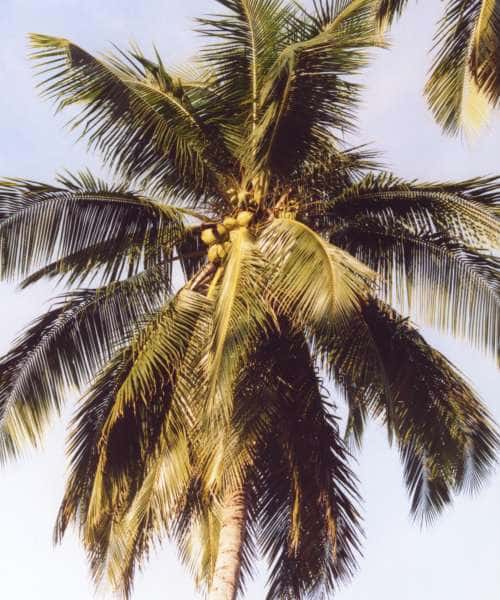
Coconut Palm (Cocos nucifera) is a hard-care plant from the Arecaceae family. The coconut palm (Cocos nucifera) is a majestic tropical palm, iconic along coastlines worldwide. It can reach up to 30 meters in height and produces fruit year-round in ideal climates. One of the most versatile plants in the world, with uses ranging from food to construction materials.
Coconut Palm grows up to 30.0m, spread of 700cm, watering every 7 days, 18°C – 38°C, 70–90% humidity. It is not suitable for indoor environments and safe for pets.
Unlike easy-care plants, Coconut Palm demands constant attention to humidity and light. Not recommended for beginners. Unlike many popular species, Coconut Palm is safe to keep around pets.
How to Care for Coconut Palm?
TLDR: Coconut Palm needs Direct sun, watering every 7 days, and temperatures between 18-38°C with 70-90% humidity.
How Often Should You Water Coconut Palm?
Water the coconut palm every 7 days thoroughly, ensuring good drainage to prevent root rot. During drought periods, you may need to increase watering frequency.
How Much Light Does Coconut Palm Need?
The coconut palm requires full sun — at least 6 to 8 hours of direct sunlight daily. Never plant in shaded or semi-enclosed locations.
What Is the Best Soil for Coconut Palm?
Use sandy or sandy-loam soil with good drainage and pH between 6.5 and 7.5. Enrich with organic matter at planting. Avoid waterlogged soil.
What Pot Should You Use for Coconut Palm?
Large terracotta pot or outdoor bed with ample root space
Care Schedule
Fertilize
Every 90 days
What Is Coconut Palm and Where Does It Come From?
The coconut palm (Cocos nucifera) is a majestic tropical palm, iconic along coastlines worldwide. It can reach up to 30 meters in height and produces fruit year-round in ideal climates. One of the most versatile plants in the world, with uses ranging from food to construction materials.
How to Propagate Coconut Palm?
Seed Germination
Use fresh coconuts for higher germination rates. Maintain temperature above 20°C throughout the process.
- 1 Select a ripe, mature coconut still in its husk
- 2 Soak the coconut in water for 2 to 3 days
- 3 Plant with half the husk above the soil in sandy, well-draining substrate
- 4 Keep soil moist and in a warm location (above 20°C / 68°F)
- 5 Germination occurs between 3 and 6 months
Materials needed:
How Big Does Coconut Palm Grow?
TLDR: Coconut Palm can reach up to 30.0m tall with Medium growth rate.
Max height
30.0m
Spread
7.0m
Growth rate
Medium
Foliage
Evergreen
Plant Uses
Edible
Can be consumed
Ornamental
Great for decoration
Culinary Uses
- Coconut water
- Coconut flesh
- Coconut milk
- Coconut oil
- Coconut flour
Is your plant showing symptoms?
Click on the symptom to discover possible causes:
What Diseases Commonly Affect Coconut Palm?
TLDR: Coconut Palm is susceptible to 12 known diseases. Monitor regularly for early detection.
Root Rot
Root rot is a serious fungal disease that affects the root system of plants, causing them to decay and die. It is primarily caused by overwatering, poor drainage, or soil-borne fungi such as Pythium, Phytophthora, Rhizoctonia, and Fusarium. The disease thrives in waterlogged conditions where roots are deprived of oxygen, making them susceptible to fungal infection.
Phytophthora Blight
Devastating fungal disease caused by Phytophthora species (primarily P. capsici and P. infestans), famously responsible for the Irish Potato Famine in the 1840s. Affects all plant parts including roots, stems, leaves, and fruits in warm, wet conditions. The pathogen is technically an oomycete (water mold) that thrives in saturated soils and can survive in soil for 5+ years.
Root-Knot Nematodes
Root-knot nematodes (Meloidogyne species) are microscopic roundworms that parasitize plant roots, causing characteristic galls or knots. These soil-borne pests are among the most economically damaging plant pathogens worldwide, affecting a wide range of ornamental and edible plants. The nematodes inject enzymes into root cells, causing abnormal swelling and disrupting water and nutrient uptake.
Fusarium Wilt
Fusarium wilt is a serious fungal disease caused by the soil-borne fungus Fusarium oxysporum. The fungus invades roots and blocks the water-conducting vessels (xylem) of the plant, causing progressive wilting and eventual death. Host-specific forms of the pathogen exist that attack different plant species.
Meaning & Symbolism
Symbolizes abundance, hospitality, and the essence of tropical life. In many cultures, it represents the 'Tree of Life' for its countless uses.
Fun Facts
The coconut palm has been cultivated for over 4,000 years and is called the 'Tree of Life' in many Asian cultures
A single palm can produce up to 150 coconuts per year under ideal conditions
Coconut water is naturally sterile and was used as an intravenous saline substitute in emergencies during World War II
The coconut palm can live for over 100 years and continues producing fruit throughout its entire lifespan
Frequently asked questions
How often should I water a coconut palm?
Can coconut palms be grown in containers?
How much sun does a coconut palm need?
What climate is best for coconut palms?
When does a coconut palm start producing fruit?
Compare with similar plants
| Attribute | Difficulty | Light | Watering | Pet Safe |
|---|---|---|---|---|
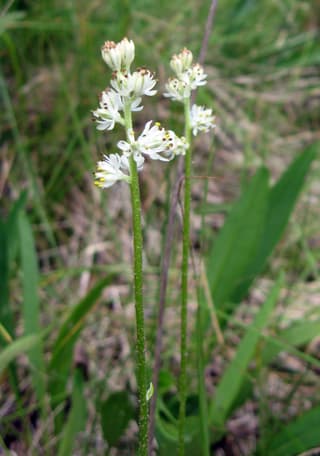
| Sticky false asphodel | Hard | Bright indirect | 1d | ✓ |
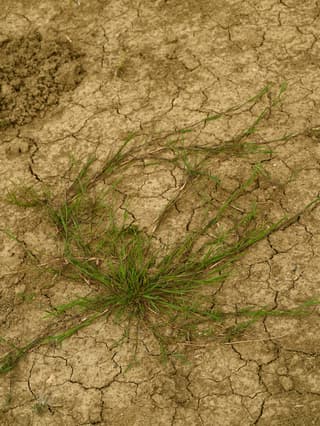
| Creeping bentgrass | Hard | Direct sun | 3d | ✓ |
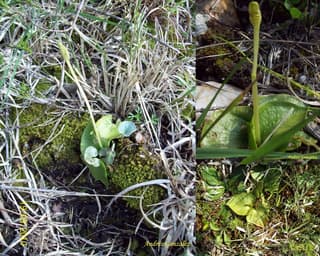
| Bulbous Adder's-tongue | Hard | Partial shade | 4d | ✓ |
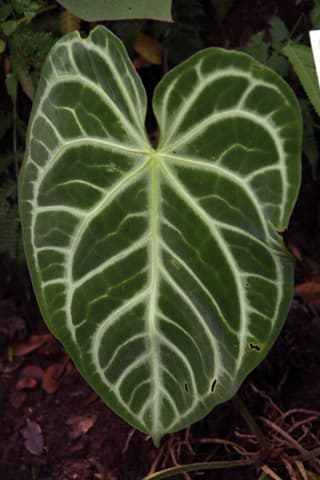
| Crystal Anthurium | Hard | Partial shade | 7d | ⚠️ |