Fabaceae
Common Bean: How to Grow and Care for Phaseolus vulgaris
Phaseolus vulgaris
Easy-to-grow annual for outdoor cultivation requiring full sun. Water every 2-3 days keeping soil consistently moist but well-drained. Climbing varieties need support structures. Fertilize every 30 days with balanced NPK.
Every 3 days
Direct sun
10° - 35°C
60% - 75%
Categories
What is Common Bean?
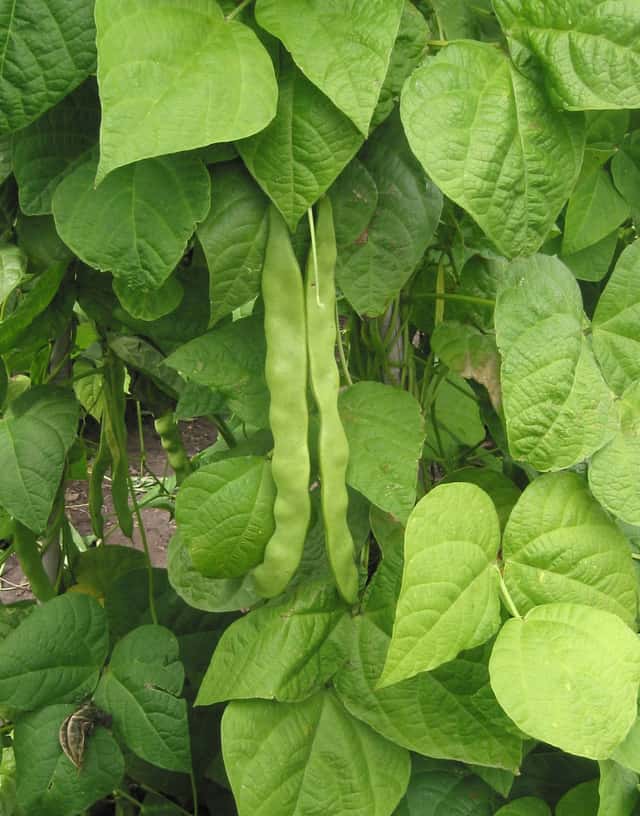
Common Bean (Phaseolus vulgaris) is a easy-care plant from the Fabaceae family. The common bean (Phaseolus vulgaris) is an annual plant in the Fabaceae family, native to Central and South America. It is one of the most widely cultivated and consumed legumes worldwide. The plant produces edible pods and seeds rich in protein, fiber, and essential minerals. It comes in two main g...
Common Bean grows up to 4.0m, with spread of 60cm, watering every 3 days, 10°C – 35°C, 60–75% humidity. It is not suitable for indoor environments and not safe for pets.
Unlike many tropical plants, Common Bean tolerates watering mistakes. Best for beginners. Without precautions, ingestion can cause irritation in pets. Keep out of reach of cats and dogs.
How to Care for Common Bean?
TLDR: Common Bean needs Direct sun, watering every 3 days, and temperatures between 10-35°C with 60-75% humidity.
How Often Should You Water Common Bean?
Water every 2-3 days, keeping the soil consistently moist but never waterlogged. Increase frequency during flowering and pod development. Avoid wetting foliage to prevent fungal diseases.
How Much Light Does Common Bean Need?
Requires full sun with at least 6-8 hours of direct sunlight daily. In very hot climates, provide afternoon shade to prevent leaf scorch.
What Is the Best Soil for Common Bean?
Prefers loamy, well-draining soil rich in organic matter. Ideal pH is 6.0-7.5. Incorporate compost before planting to improve fertility and soil structure.
What Pot Should You Use for Common Bean?
Terra cotta or plastic pots with drainage holes for bush varieties; outdoor raised beds for climbing varieties
Care Schedule
Fertilize
Every 30 days
What Is Common Bean and Where Does It Come From?
The common bean (Phaseolus vulgaris) is an annual plant in the Fabaceae family, native to Central and South America. It is one of the most widely cultivated and consumed legumes worldwide. The plant produces edible pods and seeds rich in protein, fiber, and essential minerals. It comes in two main growth habits: bush varieties and climbing varieties.
How to Propagate Common Bean?
Direct Seeding
Use certified, pathogen-free seeds. Avoid planting in the same spot two years in a row to prevent soil-borne diseases.
- 1 Prepare soil with compost and ensure good drainage
- 2 Sow seeds 2-5 cm deep and 10-15 cm apart
- 3 Water lightly after sowing and keep moist until germination
- 4 Install stakes or trellises for climbing varieties when seedlings reach 10 cm
Materials needed:
How Big Does Common Bean Grow?
TLDR: Common Bean can reach up to 4.0m tall with Fast growth rate.
Max height
4.0m
Spread
60cm
Growth rate
Fast
Foliage
Deciduous
Warning: Toxic Plant
This plant can be toxic if ingested. Keep out of reach of:
Plant Uses
Edible
Can be consumed
Medicinal
Medicinal properties
Medicinal Uses
- Seeds used in folk medicine for blood sugar control
- Green pods have anti-inflammatory properties
Culinary Uses
- Pods cooked, sautéed or in salads
- Dried seeds in soups, stews, and traditional dishes
- Sprouts in salads and sandwiches
Is your plant showing symptoms?
Click on the symptom to discover possible causes:
What Diseases Commonly Affect Common Bean?
TLDR: Common Bean is susceptible to 10 known diseases. Monitor regularly for early detection.
Anthracnose
Anthracnose is a fungal disease caused by fungi in the genus Colletotrichum that affects many plants, including vegetables, fruits, and trees. The disease thrives in cool, wet conditions, causing dark, sunken lesions on leaves, stems, flowers, and fruits.
Rust
Rust is a common fungal disease caused by fungi in the order Pucciniales that affects a wide variety of plants. The disease gets its name from the characteristic orange, yellow, or reddish-brown pustules that appear on leaves, resembling metal rust. This obligate fungal parasite requires living plants to survive and can cause significant economic losses in agricultural crops.
Mosaic Virus
Mosaic virus is a group of plant viruses that cause mottled, patchy patterns on leaves and can affect a wide variety of plants. The virus creates characteristic yellow, white, and green mosaic patterns, often accompanied by stunted growth and deformed plant parts. This highly contagious disease spreads rapidly through insect vectors and contaminated tools.
Powdery Mildew
Powdery mildew is a common fungal disease caused by various fungi species including Erysiphe, Podosphaera, Oïdium, and Leveillula. It affects over 10,000 plant species worldwide. The disease thrives in warm, dry climates with high humidity and appears as a distinctive white powdery coating on plant surfaces.
Meaning & Symbolism
Symbolizes protection, abundance and good luck in various folk traditions worldwide.
Fun Facts
Common beans have been cultivated for over 8,000 years in the Americas
A single bean plant can produce up to 500g of pods per season
Beans are one of the primary sources of plant protein for over 300 million people globally
There are over 40,000 known cultivars of Phaseolus vulgaris worldwide
Frequently asked questions
How often should I water bean plants?
Do beans need support?
Are beans toxic to pets?
What is the biggest challenge in growing beans?
Compare with similar plants
| Attribute | Difficulty | Light | Watering | Pet Safe |
|---|---|---|---|---|
| Peace Lily | Easy | Low light | 4d | ⚠️ |
| Swiss Cheese Plant | Easy | Partial shade | 10d | ⚠️ |
| Golden Pothos | Easy | Low light | 8d | ⚠️ |
| ZZ Plant | Easy | Low light | 18d | ⚠️ |