Asparagaceae
Common Hyacinth (Hyacinthus orientalis): Complete Care Guide
Hyacinthus orientalis
Common Hyacinth is best grown in a bright, well-lit location with good drainage. Plant bulbs in autumn for spectacular spring blooms. Water moderately during the growing season and allow the soil to dry slightly between waterings. Avoid overwatering, which can lead to bulb rot. Fertilize once in early spring when new growth appears.
Every 7 days
Bright indirect
1° - 17°C
50% - 80%
Categories
What is Common Hyacinth?
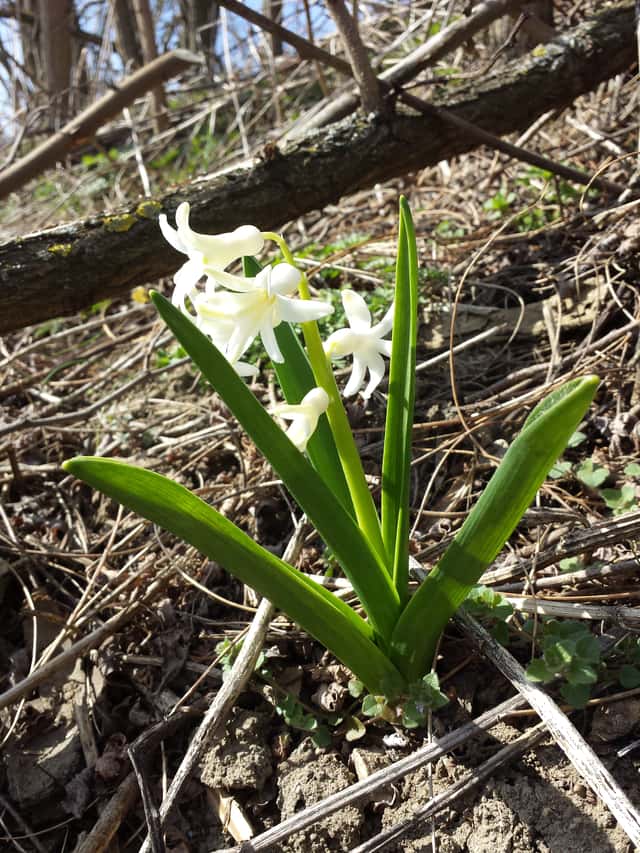
Common Hyacinth (Hyacinthus orientalis) is a easy-care plant from the Asparagaceae family. Hyacinthus orientalis, commonly known as the Common Hyacinth or Garden Hyacinth, is a bulbous perennial prized for its intensely fragrant, densely packed flower spikes that bloom in spring. Native to the Eastern Mediterranean and Asia Minor, it produces upright stalks bearing clusters of bell-shaped...
Common Hyacinth grows up to 30cm, with spread of 15cm, watering every 7 days, 1°C – 17°C, 50–80% humidity. It is suitable for indoor environments and not safe for pets.
Unlike many tropical plants, Common Hyacinth tolerates watering mistakes. Best for beginners. Without precautions, ingestion can cause irritation in pets. Keep out of reach of cats and dogs. Without adequate drainage, root rot can develop within 14 days.
How to Care for Common Hyacinth?
TLDR: Common Hyacinth needs Bright indirect, watering every 7 days, and temperatures between 1-17°C with 50-80% humidity.
How Often Should You Water Common Hyacinth?
Water moderately every 7 days during the active growing season, keeping the soil moist but never waterlogged. After flowering, reduce watering and allow the foliage to die back naturally. Avoid wetting the foliage to prevent fungal diseases.
How Much Light Does Common Hyacinth Need?
Place in a location with full sun to partial shade, receiving at least 6 hours of bright light daily. Indoors, a bright windowsill is ideal. Avoid intense afternoon sun in warm climates as it can shorten blooming time.
What Is the Best Soil for Common Hyacinth?
Use light, well-draining soil. A mix of garden soil, coarse sand, and peat or compost works well. Ensure excellent drainage to prevent bulb rot. A slightly acidic to neutral pH (6.0–8.0) is suitable.
What Pot Should You Use for Common Hyacinth?
Use a clay or terracotta pot with drainage holes for indoor growing. A pot 15–20 cm in diameter is sufficient for 3–5 bulbs. Outdoor beds should have raised edges or gravel layers to ensure drainage.
Care Schedule
Fertilize
Every 30 days
Repot
Every 730 days
What Is Common Hyacinth and Where Does It Come From?
Hyacinthus orientalis, commonly known as the Common Hyacinth or Garden Hyacinth, is a bulbous perennial prized for its intensely fragrant, densely packed flower spikes that bloom in spring. Native to the Eastern Mediterranean and Asia Minor, it produces upright stalks bearing clusters of bell-shaped flowers in shades of blue, violet, white, pink, and yellow. After blooming, the foliage dies back and the bulb remains dormant until the next season.
How to Propagate Common Hyacinth?
Bulb Offset Division
Use only healthy, firm offsets. Offsets may take 2-3 years to reach flowering size.
- 1 After the foliage has died back in summer, carefully dig up the bulb cluster.
- 2 Separate the small offset bulblets from the parent bulb by hand or with a clean knife.
- 3 Allow the offsets to dry for a few days in a shaded, airy location.
- 4 Replant the offsets in autumn at a depth of 3 times their diameter in well-draining soil.
- 5 Water lightly after planting and wait for spring growth.
Materials needed:
How Big Does Common Hyacinth Grow?
TLDR: Common Hyacinth can reach up to 30cm tall with Medium growth rate.
Max height
30cm
Spread
15cm
Growth rate
Medium
Foliage
Deciduous
Warning: Toxic Plant
This plant can be toxic if ingested. Keep out of reach of:
Plant Uses
Ornamental
Great for decoration
Aromatic
Pleasant fragrance
Is your plant showing symptoms?
Click on the symptom to discover possible causes:
What Diseases Commonly Affect Common Hyacinth?
TLDR: Common Hyacinth is susceptible to 7 known diseases. Monitor regularly for early detection.
Root Rot
Root rot is a serious fungal disease that affects the root system of plants, causing them to decay and die. It is primarily caused by overwatering, poor drainage, or soil-borne fungi such as Pythium, Phytophthora, Rhizoctonia, and Fusarium. The disease thrives in waterlogged conditions where roots are deprived of oxygen, making them susceptible to fungal infection.
Gray Mold (Botrytis Blight)
Gray mold, caused by the fungus Botrytis cinerea, is one of the most common fungal diseases in plants. It affects over 200 plant species, including ornamentals, vegetables, fruits, and houseplants. The disease thrives in cool, humid conditions with poor air circulation, causing grayish spots and soft rot on infected tissues.
Fusarium Wilt
Fusarium wilt is a serious fungal disease caused by the soil-borne fungus Fusarium oxysporum. The fungus invades roots and blocks the water-conducting vessels (xylem) of the plant, causing progressive wilting and eventual death. Host-specific forms of the pathogen exist that attack different plant species.
Bacterial Soft Rot
Bacterial soft rot is a destructive plant disease caused primarily by bacteria from the genera Pectobacterium (formerly Erwinia) and Dickeya. These bacteria produce enzymes that break down plant cell walls, causing rapid and foul-smelling tissue decomposition. It mainly affects succulent tissues such as tubers, fruits, stems, and bulbs, being especially problematic in warm and humid conditions.
Meaning & Symbolism
Hyacinth symbolizes rebirth, beauty, and the renewal of spring. In Greek mythology, Hyacinthus was beloved by Apollo, and the flower sprang from his blood, representing both love and tragic loss.
Fun Facts
Hyacinth bulbs require a cold period (vernalization) of 6–10 weeks below 10°C to bloom properly.
The fragrance of hyacinths comes from essential oils used in perfumery — the scent is one of the most complex in the plant kingdom.
A single hyacinth spike can contain up to 40 individual bell-shaped florets.
Hyacinth bulbs can be 'forced' to bloom indoors in winter using special glass vases filled with water.
Frequently asked questions
How often should I water Common Hyacinth?
Is Common Hyacinth toxic to pets?
Can I grow Common Hyacinth indoors?
Why are my hyacinth leaves turning yellow?
When should I plant hyacinth bulbs?
Compare with similar plants
| Attribute | Difficulty | Light | Watering | Pet Safe |
|---|---|---|---|---|
| Peace Lily | Easy | Low light | 4d | ⚠️ |
| Swiss Cheese Plant | Easy | Partial shade | 10d | ⚠️ |
| Golden Pothos | Easy | Low light | 8d | ⚠️ |
| ZZ Plant | Easy | Low light | 18d | ⚠️ |