Malvaceae
Confederate Rose (Hibiscus mutabilis): The Color-Changing Flower
Hibiscus mutabilis
An easy-care, sun-loving shrub ideal for warm gardens (USDA zones 7–11). Water weekly, provide full sun, and plant in well-draining, organically rich soil. Prune annually in late winter to maintain shape and encourage vigorous flowering.
Every 7 days
Direct sun
5° - 38°C
50% - 80%
Categories
What is Confederate Rose?
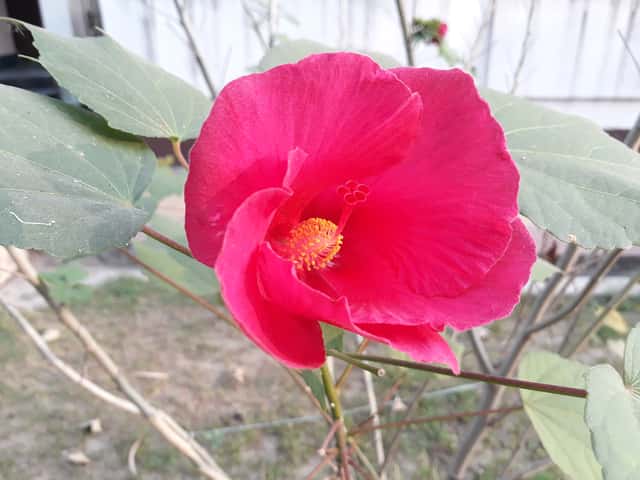
Confederate Rose (Hibiscus mutabilis) is a easy-care plant from the Malvaceae family. Confederate Rose (Hibiscus mutabilis) is a fast-growing deciduous shrub or small tree native to southern China. It is celebrated for its spectacular flowers that open white or pale pink in the morning and deepen to rich crimson red by evening — all within a single day. Plants can reach 15 feet tall...
Confederate Rose grows up to 4.5m, spread of 300cm, watering every 7 days, 5°C – 38°C, 50–80% humidity. It is not suitable for indoor environments and safe for pets.
Unlike many tropical plants, Confederate Rose tolerates watering mistakes. Best for beginners. Unlike many popular species, Confederate Rose is safe to keep around pets.
How to Care for Confederate Rose?
TLDR: Confederate Rose needs Direct sun, watering every 7 days, and temperatures between 5-38°C with 50-80% humidity.
How Often Should You Water Confederate Rose?
Water deeply every 7 days, allowing the top inch of soil to dry out between waterings. During hot spells or drought, water twice per week. Always avoid waterlogged conditions to prevent root rot.
How Much Light Does Confederate Rose Need?
Plant in full sun with at least 6–8 hours of direct sunlight daily. Confederate Rose thrives in open, sunny positions and handles heat and humidity well. Insufficient light results in reduced flowering.
What Is the Best Soil for Confederate Rose?
Prefers loamy, well-draining soil rich in organic matter, with a pH of 6.0–7.0. Amend planting hole with compost or aged manure to improve fertility and drainage. Avoid heavy clay soils without amendment.
What Pot Should You Use for Confederate Rose?
Confederate Rose grows best directly in the ground. If container growing is necessary, use a large pot (15+ gallons) with drainage holes. Terracotta or ceramic containers are ideal as they allow soil to breathe.
Care Schedule
Fertilize
Every 30 days
What Is Confederate Rose and Where Does It Come From?
Confederate Rose (Hibiscus mutabilis) is a fast-growing deciduous shrub or small tree native to southern China. It is celebrated for its spectacular flowers that open white or pale pink in the morning and deepen to rich crimson red by evening — all within a single day. Plants can reach 15 feet tall and produce abundant blooms from late summer through fall.
How to Propagate Confederate Rose?
Stem Cutting
Use clean, sharp pruners to minimize disease risk. Stem cuttings have a very high success rate for this species. Water propagation also works well.
- 1 Cut a healthy stem 6–8 inches long with 2–3 sets of leaves
- 2 Remove lower leaves and dip the cut end in rooting hormone powder
- 3 Place in moist, well-draining potting mix or a glass of water
- 4 Keep in a warm, shaded location for 3–4 weeks until roots develop
- 5 Transplant to full sun once well-rooted
Materials needed:
Seed Propagation
Collect seeds in autumn and sow in spring. Scarification significantly improves germination rates.
- 1 Lightly scarify seeds with fine sandpaper to improve germination
- 2 Sow seeds 0.5 inches deep in moist seed-starting mix
- 3 Maintain temperature of 68–77°F (20–25°C)
- 4 Transplant seedlings when they reach 4 inches tall
Materials needed:
How Big Does Confederate Rose Grow?
TLDR: Confederate Rose can reach up to 4.5m tall with Fast growth rate.
Max height
4.5m
Spread
3.0m
Growth rate
Fast
Foliage
Deciduous
Plant Uses
Ornamental
Great for decoration
Is your plant showing symptoms?
Click on the symptom to discover possible causes:
What Diseases Commonly Affect Confederate Rose?
TLDR: Confederate Rose is susceptible to 15 known diseases. Monitor regularly for early detection.
Aphids
Aphids are small, soft-bodied, pear-shaped insects (1/16 to 1/8 inch long) that feed by sucking nutrient-rich sap from plants. They reproduce rapidly and can quickly weaken plants, causing distorted growth and transmitting plant viruses. Aphids come in various colors including green, black, red, yellow, brown, and gray. They secrete honeydew, a sticky substance that attracts ants and encourages sooty mold growth.
Spider Mites
Spider mites are tiny arachnids (less than 1/20 inch long) related to spiders and ticks that feed on plant sap. They thrive in hot, dry conditions and can cause significant damage to ornamental and vegetable plants. During severe infestations, crop losses can reach 14% or higher as these pests disrupt vital plant processes including photosynthesis, carbon dioxide absorption, and transpiration.
Mealybugs
Mealybugs are small, soft-bodied insects covered with a white, waxy, cottony material. They are common pests of houseplants and outdoor plants in mild climates. These sap-sucking insects feed on plant tissue, causing damage, stunted growth, and can lead to plant death if left untreated. They produce sticky honeydew which attracts sooty mold.
Whiteflies
Whiteflies are small, soft-bodied, winged insects closely related to aphids and mealybugs. They are moth-like in appearance, about 1/16 inch long, triangular in shape, and gray-white in color. These sap-sucking pests feed on plant tissue, causing yellowing, stunted growth, and wilting. They also excrete honeydew, which attracts ants and promotes sooty mold growth. Whiteflies can transmit serious plant viruses.
Meaning & Symbolism
In Chinese culture, the flower (木芙蓉, Mùfúróng) symbolizes feminine beauty and the transience of life, inspired by its single-day color journey. In the American South, it became a beloved garden staple associated with Southern heritage and warm hospitality.
Fun Facts
Each flower lasts only one day, but a single plant can produce dozens of blooms throughout the season
The species name mutabilis comes from Latin meaning "changeable" — a direct reference to its daily color transformation
In China, it has been celebrated in poetry and painting since the Tang Dynasty over 1,000 years ago
In colder climates it dies back to the ground each winter but vigorously resprouts from the roots each spring
Frequently asked questions
Why do Confederate Rose flowers change color?
How often should I water Confederate Rose?
Is Confederate Rose toxic to pets?
When does Confederate Rose bloom?
How big does Confederate Rose get?
Compare with similar plants
| Attribute | Difficulty | Light | Watering | Pet Safe |
|---|---|---|---|---|
| Field Maple | Easy | Bright indirect | 14d | ✓ |
| Silver Birch | Easy | Direct sun | 14d | ✓ |
| Cushion Bush | Easy | Direct sun | 14d | ✓ |
| Peruvian peppertree | Easy | Direct sun | 14d | ⚠️ |