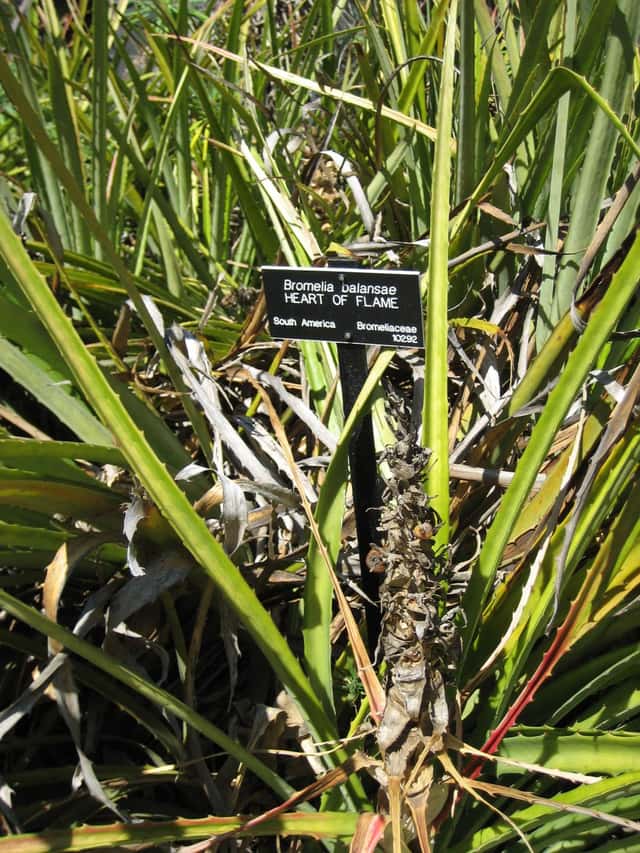
Bromeliaceae
How to Care for Heart of Flame (Bromelia balansae)
Bromelia balansae
Low-maintenance plant that tolerates drought and full sun. Water every 10-14 days, allowing soil to dry out completely between waterings. Thrives in direct sunlight. Well-draining soil is essential to prevent root rot. Fertilize lightly every 30 days during the growing season.
Every 12 days
Direct sun
10° - 38°C
40% - 70%
Categories
What is Heart of Flame?
Heart of Flame (Bromelia balansae) is a easy-care plant from the Bromeliaceae family. Bromelia balansae, commonly known as Heart of Flame, is a large terrestrial bromeliad native to Brazil, Argentina, Bolivia, Colombia, and Paraguay. This striking plant features long, spiny leaves arranged in a large rosette, and is renowned for its spectacular flowering display: before blooming, the...
Heart of Flame grows up to 1.2m, with spread of 180cm, watering every 12 days, 10°C – 38°C, 40–70% humidity. It is suitable for indoor environments and safe for pets.
Unlike many tropical plants, Heart of Flame tolerates watering mistakes. Best for beginners. Unlike many popular species, Heart of Flame is safe to keep around pets. Without adequate drainage, root rot can develop within 24 days.
How to Care for Heart of Flame?
TLDR: Heart of Flame needs Direct sun, watering every 12 days, and temperatures between 10-38°C with 40-70% humidity.
How Often Should You Water Heart of Flame?
Water Heart of Flame every 10-14 days, always allowing the soil to dry out completely between waterings. This bromeliad is highly drought-tolerant — overwatering is the greatest risk to its health. Avoid filling the central rosette with water to prevent crown rot.
How Much Light Does Heart of Flame Need?
Heart of Flame loves full sun to partial shade. Indoors, place it near a south- or west-facing window that receives plenty of direct light. In gardens, choose sunny locations. More light means more vibrant coloration and better chances of flowering.
What Is the Best Soil for Heart of Flame?
Use a well-draining mix: combine potting soil with perlite or coarse sand (1:1). Avoid compact or moisture-retaining soils. Heart of Flame tolerates a wide pH range (5.0-7.0) and adapts well to clay or sandy soils as long as drainage is adequate.
What Pot Should You Use for Heart of Flame?
Terracotta or ceramic pot with drainage holes. For gardens, direct in-ground planting with good soil drainage. Avoid plastic pots without adequate drainage.
Care Schedule
Fertilize
Every 30 days
Repot
Every 730 days
What Is Heart of Flame and Where Does It Come From?
Bromelia balansae, commonly known as Heart of Flame, is a large terrestrial bromeliad native to Brazil, Argentina, Bolivia, Colombia, and Paraguay. This striking plant features long, spiny leaves arranged in a large rosette, and is renowned for its spectacular flowering display: before blooming, the center of the rosette transforms into a vivid red-orange color, then reveals magenta and white flowers — creating the iconic "heart of flame" appearance. It is a tough, drought-tolerant plant that works beautifully as a landscape accent, living fence, or bold container specimen.
How to Propagate Heart of Flame?
Pup Division
This is the easiest and most reliable way to propagate Heart of Flame. Wear gloves — the leaves have sharp spines.
- 1 Wait for the mother plant to produce pups (side shoots) after flowering
- 2 When the pup reaches 1/3 the size of the mother plant, use a clean, sharp knife to separate it
- 3 Allow the pup to dry for 1-2 days to let the cut callus over
- 4 Plant in well-draining medium and water lightly until rooted
Materials needed:
Seed Sowing
Germination is slow and unpredictable. Pup division is strongly preferred for reliable results.
- 1 Harvest seeds from ripe orange fruits after fruiting
- 2 Sow in moist, well-draining substrate, lightly covering with sand
- 3 Keep in a warm location (25-30°C) with good light
- 4 Germination may take 2-6 weeks
Materials needed:
How Big Does Heart of Flame Grow?
TLDR: Heart of Flame can reach up to 1.2m tall with Medium growth rate.
Max height
1.2m
Spread
1.8m
Growth rate
Medium
Foliage
Evergreen
Plant Uses
Ornamental
Great for decoration
Edible
Can be consumed
Medicinal Uses
- The fruit extract has been studied for anti-inflammatory properties (Bromelia balansae ethanolic extract, ScienceDirect 2018)
Culinary Uses
- Orange fruits are traditionally used to make refreshing drinks in Brazil and Paraguay
Is your plant showing symptoms?
Click on the symptom to discover possible causes:
What Diseases Commonly Affect Heart of Flame?
TLDR: Heart of Flame is susceptible to 9 known diseases. Monitor regularly for early detection.
Root Rot
Root rot is a serious fungal disease that affects the root system of plants, causing them to decay and die. It is primarily caused by overwatering, poor drainage, or soil-borne fungi such as Pythium, Phytophthora, Rhizoctonia, and Fusarium. The disease thrives in waterlogged conditions where roots are deprived of oxygen, making them susceptible to fungal infection.
Overwatering
Overwatering occurs when plants receive too much water, depriving roots of oxygen and causing root rot. This environmental stress is one of the most common causes of houseplant death, as waterlogged soil prevents roots from breathing and functioning properly.
Crown Rot
Crown rot is a serious fungal disease that attacks the crown (base) of the plant where the stem meets the soil. It is caused by various fungal pathogens including Phytophthora, Fusarium, and Rhizoctonia. The disease thrives in waterlogged conditions and can quickly spread to kill the entire plant if not addressed promptly.
Leaf Spot
Leaf spot is a common fungal disease caused by various pathogens including Alternaria, Ascochyta, Colletotrichum, Septoria, and Venturia. It primarily affects leaves, causing discolored spots that can lead to premature leaf drop if left untreated.
Meaning & Symbolism
Symbolizes hospitality, passion, and tropical vitality. The flaming heart is associated with warmth, energy, and the exuberant spirit of South American flora.
Fun Facts
Heart of Flame is one of the few bromeliads that produce edible fruit — the orange fruits are used to make refreshing drinks in South America
Its spiny leaves make it a natural impenetrable living fence, used as a security barrier on rural properties in Brazil and Argentina
The plant blooms only once per rosette, but the spectacular show lasts weeks — the center transitions from green to deep red, then to white, before the magenta flowers emerge
Bromelia balansae spreads naturally via underground rhizomes and can form dense colonies over time, making it an effective ground cover
Frequently asked questions
How often should I water Heart of Flame?
Is Heart of Flame toxic to pets?
Why does the center turn red?
Can I grow Heart of Flame indoors?
Does Heart of Flame bloom more than once?
Compare with similar plants
| Attribute | Difficulty | Light | Watering | Pet Safe |
|---|---|---|---|---|
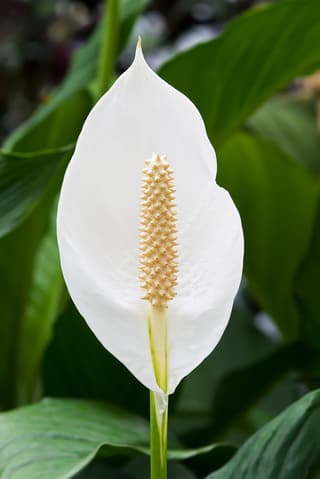
| Peace Lily | Easy | Low light | 4d | ⚠️ |
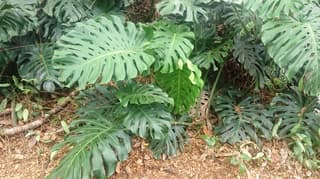
| Swiss Cheese Plant | Easy | Partial shade | 10d | ⚠️ |
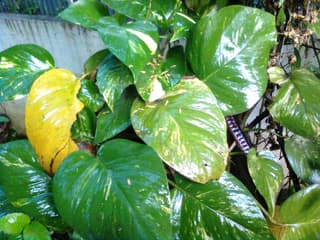
| Golden Pothos | Easy | Low light | 8d | ⚠️ |
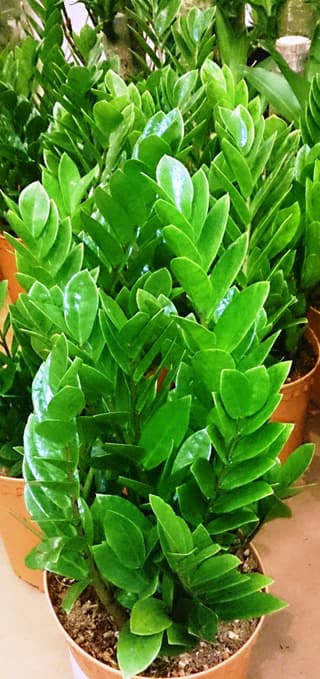
| ZZ Plant | Easy | Low light | 18d | ⚠️ |