Apiaceae
How to Grow and Care for Coriander (Coriandrum sativum)
Coriandrum sativum
Coriander is an easy-to-grow herb that thrives in full sun with well-drained soil. Water every 2–3 days, keeping the soil evenly moist but never waterlogged. It matures quickly in 45–70 days and prefers cool to moderate temperatures between 10°C and 29°C.
Every 3 days
Direct sun
10° - 29°C
30% - 60%
Categories
What is Coriander?
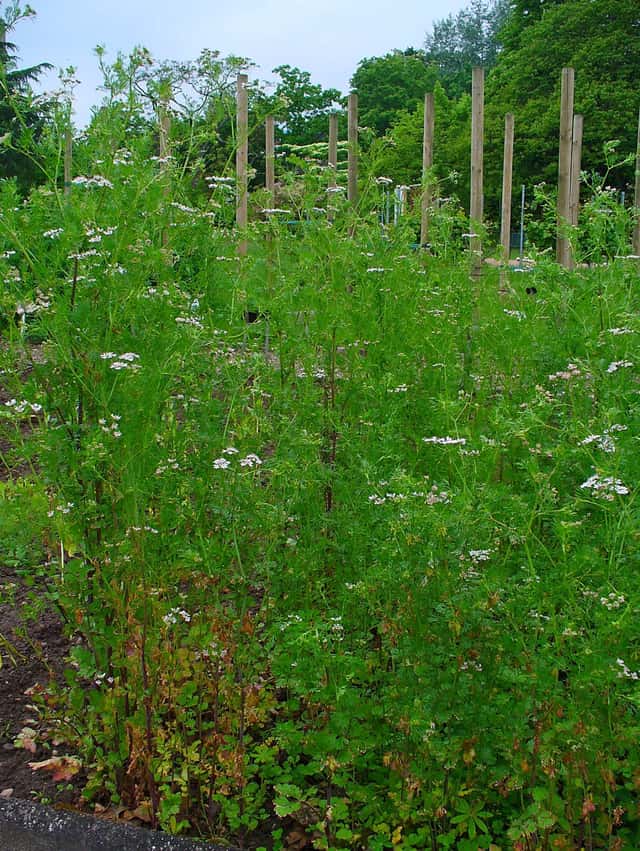
Coriander (Coriandrum sativum) is a easy-care plant from the Apiaceae family. Coriander (Coriandrum sativum) is a fast-growing annual herb from the Apiaceae family, native to the Mediterranean and Middle East. Both its fresh leaves (known as cilantro) and dried seeds are widely used in cuisines across the globe. The plant grows 30–60 cm tall and produces small white or pink f...
Coriander grows up to 60cm, with spread of 45cm, watering every 3 days, 10°C – 29°C, 30–60% humidity. It is suitable for indoor environments and safe for pets.
Unlike many tropical plants, Coriander tolerates watering mistakes. Best for beginners. Unlike many popular species, Coriander is safe to keep around pets. Without adequate drainage, root rot can develop within 7 days.
How to Care for Coriander?
TLDR: Coriander needs Direct sun, watering every 3 days, and temperatures between 10-29°C with 30-60% humidity.
How Often Should You Water Coriander?
Water every 2–3 days, ensuring the soil stays slightly moist but not soggy. Reduce watering in cooler weather. Overwatering leads to root rot and fungal diseases — always check soil moisture before watering.
How Much Light Does Coriander Need?
Coriander needs full sun for at least 6–8 hours per day. In very hot climates, provide light afternoon shade to slow bolting. Consistent bright light promotes leafy, bushy growth.
What Is the Best Soil for Coriander?
Use a light, well-draining soil with a slightly acidic to neutral pH of 6.2–6.8. Mix potting soil with perlite or sand for improved drainage. Avoid heavy or clay-rich soils that retain too much moisture.
What Pot Should You Use for Coriander?
Terra cotta or ceramic pots with drainage holes work best. Choose a pot at least 20–25 cm in diameter and depth to accommodate the taproot. Avoid dark plastic pots that retain excess heat.
Care Schedule
Fertilize
Every 30 days
Repot
Every 365 days
What Is Coriander and Where Does It Come From?
Coriander (Coriandrum sativum) is a fast-growing annual herb from the Apiaceae family, native to the Mediterranean and Middle East. Both its fresh leaves (known as cilantro) and dried seeds are widely used in cuisines across the globe. The plant grows 30–60 cm tall and produces small white or pink flowers in spring and summer before setting seed.
How to Propagate Coriander?
Direct Sowing
Sow in succession every 2–3 weeks for a continuous harvest. Coriander has a taproot and does not transplant well — direct sow where you want it to grow.
- 1 Prepare loose, well-draining soil or potting mix
- 2 Sow seeds 0.5–1 cm deep directly into the container or garden bed
- 3 Water gently and keep soil moist until germination
- 4 Germination occurs in 7–21 days at 15–20°C
- 5 Thin seedlings to 15–20 cm apart when they reach 5 cm tall
Materials needed:
How Big Does Coriander Grow?
TLDR: Coriander can reach up to 60cm tall with Fast growth rate.
Max height
60cm
Spread
45cm
Growth rate
Fast
Foliage
Deciduous
Plant Uses
Edible
Can be consumed
Medicinal
Medicinal properties
Aromatic
Pleasant fragrance
Medicinal Uses
- Traditionally used as a digestive aid and anti-inflammatory remedy
- Seeds contain antioxidants and may help lower cholesterol levels
- Essential oil is used in aromatherapy and pharmaceutical products
Culinary Uses
- Fresh leaves used in salads, soups, curries, salsas, and as a garnish worldwide
- Dried ground seeds used as a spice in curries, breads, and sausages
- Roots used in Thai and Vietnamese cooking for their intense flavor
Is your plant showing symptoms?
Click on the symptom to discover possible causes:
What Diseases Commonly Affect Coriander?
TLDR: Coriander is susceptible to 8 known diseases. Monitor regularly for early detection.
Powdery Mildew
Powdery mildew is a common fungal disease caused by various fungi species including Erysiphe, Podosphaera, Oïdium, and Leveillula. It affects over 10,000 plant species worldwide. The disease thrives in warm, dry climates with high humidity and appears as a distinctive white powdery coating on plant surfaces.
Damping Off
Damping off is a soil-borne fungal disease that affects seeds and young seedlings, causing rotting of stem and root tissues at and below the soil line. It is caused by several fungi including Pythium, Rhizoctonia, Fusarium, and Phytophthora. The disease thrives in cold, wet conditions with poor air circulation.
Aphids
Aphids are small, soft-bodied, pear-shaped insects (1/16 to 1/8 inch long) that feed by sucking nutrient-rich sap from plants. They reproduce rapidly and can quickly weaken plants, causing distorted growth and transmitting plant viruses. Aphids come in various colors including green, black, red, yellow, brown, and gray. They secrete honeydew, a sticky substance that attracts ants and encourages sooty mold growth.
Bacterial Leaf Spot
Bacterial leaf spot is a plant disease caused by bacteria in the Xanthomonas and Pseudomonas genera that affects various ornamental and edible plants. The bacteria infect leaves through wounds or natural openings, causing characteristic lesions that can lead to premature leaf drop and plant weakening.
Meaning & Symbolism
In Mediterranean and Asian cultures, coriander symbolizes longevity, love, and healing. It has been used in traditional medicine and rituals for over 3,000 years.
Fun Facts
Coriander is one of the oldest cultivated herbs, with evidence of use dating back over 3,000 years to ancient Egypt
Coriander seeds were found among the treasures in Tutankhamun's tomb
The love of or aversion to fresh coriander leaves is linked to a specific gene — some people genetically perceive it as soapy
Coriander is a complete herb: every part of the plant — leaves, stems, roots, and seeds — is edible and used in cooking
Frequently asked questions
How often should I water coriander?
Can coriander be grown indoors?
Why is my coriander bolting (going to seed)?
Is coriander toxic to cats and dogs?
When and how do I harvest coriander?
Compare with similar plants
| Attribute | Difficulty | Light | Watering | Pet Safe |
|---|---|---|---|---|
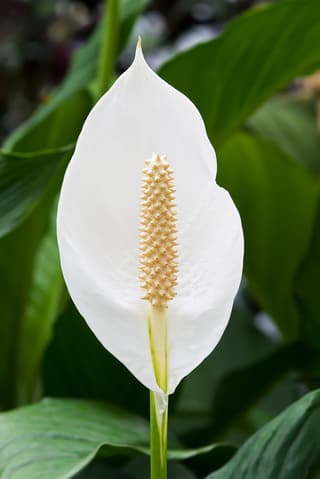
| Peace Lily | Easy | Low light | 4d | ⚠️ |
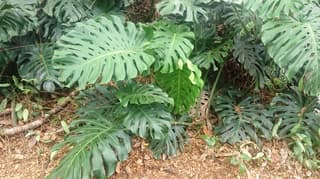
| Swiss Cheese Plant | Easy | Partial shade | 10d | ⚠️ |
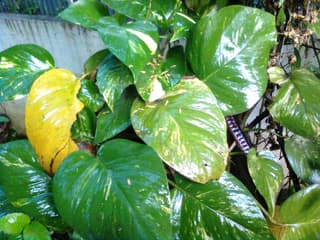
| Golden Pothos | Easy | Low light | 8d | ⚠️ |
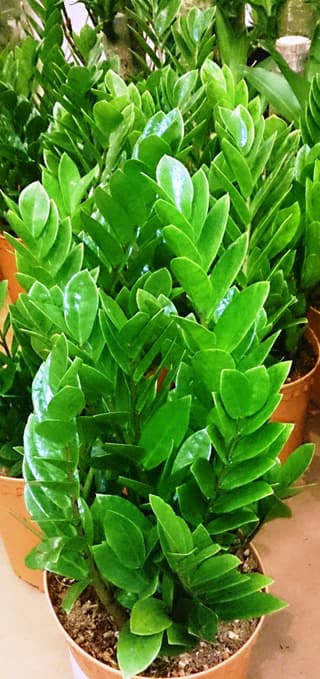
| ZZ Plant | Easy | Low light | 18d | ⚠️ |