Asteraceae
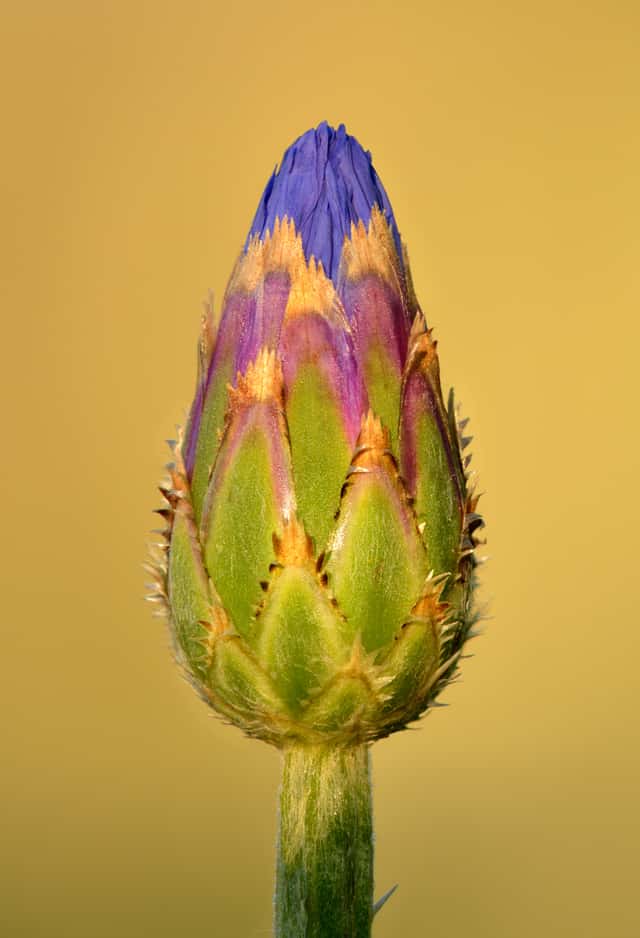
Cornflower (Centaurea cyanus) — The Iconic Blue Wildflower
Centaurea cyanus
Cornflowers are low-maintenance annuals that thrive in full sun with minimal watering. Sow seeds directly in well-draining soil in spring or autumn. Deadhead regularly to prolong blooming. They prefer cooler temperatures and tolerate poor soils well.
Every 7 days
Direct sun
5° - 25°C
30% - 60%
Categories
What is Cornflower?
Cornflower (Centaurea cyanus) is a easy-care plant from the Asteraceae family. Centaurea cyanus, commonly known as the Cornflower or Bachelor's Button, is an iconic annual wildflower native to Europe. Famous for its vivid blue blooms, it has long been a staple of cottage gardens and wildflower meadows. Once a common sight in grain fields across Europe, it is Germany's de facto...
Cornflower grows up to 90cm, spread of 30cm, watering every 7 days, 5°C – 25°C, 30–60% humidity. It is not suitable for indoor environments and safe for pets.
Unlike many tropical plants, Cornflower tolerates watering mistakes. Best for beginners. Unlike many popular species, Cornflower is safe to keep around pets.
How to Care for Cornflower?
TLDR: Cornflower needs Direct sun, watering every 7 days, and temperatures between 5-25°C with 30-60% humidity.
How Often Should You Water Cornflower?
Water deeply once a week, allowing the soil to dry out between waterings. Cornflowers are drought-tolerant once established — avoid overwatering or waterlogged soil to prevent root rot.
How Much Light Does Cornflower Need?
Cornflowers require at least 6–8 hours of direct sunlight daily. Full sun produces the most abundant and vibrant blooms. They can tolerate partial shade but may become leggy.
What Is the Best Soil for Cornflower?
Plant in well-draining soil with a slightly alkaline pH (6.5–7.8). They adapt to sandy, loamy, and chalky soils. Avoid heavy clay or waterlogged conditions.
What Pot Should You Use for Cornflower?
Terracotta or ceramic pots with drainage holes for container growing. Ensure at least 20–25cm depth.
Care Schedule
Fertilize
Every 30 days
What Is Cornflower and Where Does It Come From?
Centaurea cyanus, commonly known as the Cornflower or Bachelor's Button, is an iconic annual wildflower native to Europe. Famous for its vivid blue blooms, it has long been a staple of cottage gardens and wildflower meadows. Once a common sight in grain fields across Europe, it is Germany's de facto national flower, symbolizing resilience and unity. Its edible petals make it a popular garnish in culinary applications.
How to Propagate Cornflower?
Seed Sowing
Direct sowing is preferred as cornflowers dislike transplanting. Sow in succession every 2–3 weeks for a continuous display.
- 1 Sow seeds directly in the garden in spring after the last frost or in autumn for early spring blooms
- 2 Lightly press seeds into well-draining soil, covering with a thin layer of soil (3mm)
- 3 Water gently and keep moist until germination (7–14 days)
- 4 Thin seedlings to 30cm apart for best airflow and growth
- 5 Deadhead spent flowers regularly to encourage continuous blooming
Materials needed:
How Big Does Cornflower Grow?
TLDR: Cornflower can reach up to 90cm tall with Medium growth rate.
Max height
90cm
Spread
30cm
Growth rate
Medium
Foliage
Deciduous
Plant Uses
Ornamental
Great for decoration
Edible
Can be consumed
Medicinal
Medicinal properties
Medicinal Uses
- Anti-inflammatory eye wash for minor eye irritations
- Historically used as a diuretic and for treating fever and chest congestion
- Antioxidant-rich flower extracts used in herbal teas
Culinary Uses
- Edible blue petals used as colorful garnish in salads
- Flavoring in herbal teas with a sweet, clove-like taste
- Natural blue food coloring from anthocyanins in petals
Is your plant showing symptoms?
Click on the symptom to discover possible causes:
What Diseases Commonly Affect Cornflower?
TLDR: Cornflower is susceptible to 9 known diseases. Monitor regularly for early detection.
Powdery Mildew
Powdery mildew is a common fungal disease caused by various fungi species including Erysiphe, Podosphaera, Oïdium, and Leveillula. It affects over 10,000 plant species worldwide. The disease thrives in warm, dry climates with high humidity and appears as a distinctive white powdery coating on plant surfaces.
Root Rot
Root rot is a serious fungal disease that affects the root system of plants, causing them to decay and die. It is primarily caused by overwatering, poor drainage, or soil-borne fungi such as Pythium, Phytophthora, Rhizoctonia, and Fusarium. The disease thrives in waterlogged conditions where roots are deprived of oxygen, making them susceptible to fungal infection.
Overwatering
Overwatering occurs when plants receive too much water, depriving roots of oxygen and causing root rot. This environmental stress is one of the most common causes of houseplant death, as waterlogged soil prevents roots from breathing and functioning properly.
Aphids
Aphids are small, soft-bodied, pear-shaped insects (1/16 to 1/8 inch long) that feed by sucking nutrient-rich sap from plants. They reproduce rapidly and can quickly weaken plants, causing distorted growth and transmitting plant viruses. Aphids come in various colors including green, black, red, yellow, brown, and gray. They secrete honeydew, a sticky substance that attracts ants and encourages sooty mold growth.
Meaning & Symbolism
The cornflower is widely regarded as Germany's national flower, symbolizing unity, peace, and resilience. In Victorian flower language, it represents hope, loyalty, and delicacy. Worn by young men in love in Germanic tradition.
Fun Facts
The Cornflower is Germany's de facto national flower, linked to Queen Louise of Prussia who hid with her children in a cornflower field while fleeing Napoleon
Cornflower petals contain natural blue anthocyanins, one of the few truly blue pigments found in nature
In the Middle Ages, cornflowers were so common in grain fields across Europe they were considered agricultural weeds
Cornflowers are excellent pollinator magnets, attracting bees and butterflies, and their seeds are a favorite food for finches
Frequently asked questions
How often should I water Cornflowers?
Do Cornflowers come back every year?
Are Cornflowers edible?
Are Cornflowers toxic to pets?
When do Cornflowers bloom?
Compare with similar plants
| Attribute | Difficulty | Light | Watering | Pet Safe |
|---|---|---|---|---|
| Field Maple | Easy | Bright indirect | 14d | ✓ |
| Silver Birch | Easy | Direct sun | 14d | ✓ |
| Cushion Bush | Easy | Direct sun | 14d | ✓ |
| Wild Lettuce | Medium | Direct sun | 7d | ⚠️ |





