Acanthaceae
Chinese Violet (Asystasia gangetica)
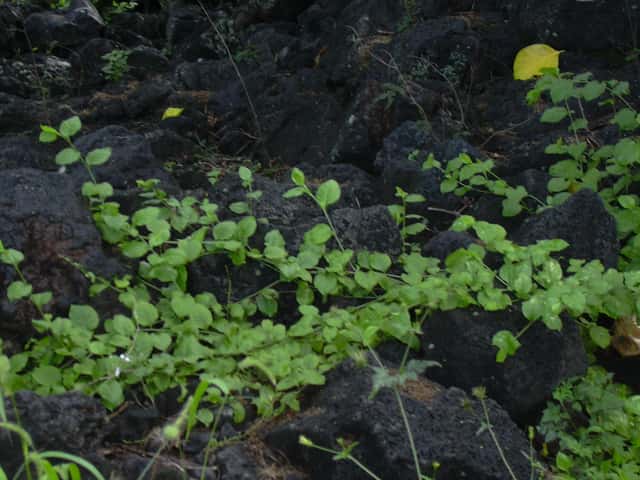
Asystasia gangetica
An easy-care plant ideal for beginners. Prefers full sun to partial shade, fertile well-draining soil, and regular watering. Grows vigorously and can become invasive in tropical regions. Excellent as a groundcover in warm climates.
Every 7 days
Bright indirect
18° - 38°C
60% - 90%
Categories
What is Chinese Violet?
Chinese Violet (Asystasia gangetica) is a easy-care plant from the Acanthaceae family. Asystasia gangetica, commonly known as Chinese violet or coromandel, is a fast-growing perennial herb in the family Acanthaceae, native to India and tropical Africa. This spreading groundcover reaches up to 1 meter tall when supported, producing delicate bell-shaped flowers in white, lilac, and purp...
Chinese Violet grows up to 1.0m, with spread of 120cm, watering every 7 days, 18°C – 38°C, 60–90% humidity. It is suitable for indoor environments and safe for pets.
Unlike many tropical plants, Chinese Violet tolerates watering mistakes. Best for beginners. Unlike many popular species, Chinese Violet is safe to keep around pets. Without adequate drainage, root rot can develop within 14 days.
How to Care for Chinese Violet?
TLDR: Chinese Violet needs Bright indirect, watering every 7 days, and temperatures between 18-38°C with 60-90% humidity.
How Often Should You Water Chinese Violet?
Water every 5-7 days, keeping soil consistently moist but never waterlogged. Reduce frequency in cooler months when the soil takes longer to dry. Ensure pots have adequate drainage holes to prevent root rot.
How Much Light Does Chinese Violet Need?
Thrives in full sun to partial shade. Indoors, place near a bright window. Outdoors, morning sun with afternoon shade is ideal in very hot climates. Insufficient light reduces flowering.
What Is the Best Soil for Chinese Violet?
Use fertile, well-draining soil enriched with organic compost. A mix of peat moss, perlite, and vermiculite works well. Maintain soil pH between 6.5-7.5 for optimal nutrient absorption.
What Pot Should You Use for Chinese Violet?
Terracotta or ceramic pots with drainage holes are ideal. Use a light, porous potting mix for container growing. The plant also thrives directly in garden beds.
Care Schedule
Fertilize
Every 30 days
Repot
Every 365 days
What Is Chinese Violet and Where Does It Come From?
Asystasia gangetica, commonly known as Chinese violet or coromandel, is a fast-growing perennial herb in the family Acanthaceae, native to India and tropical Africa. This spreading groundcover reaches up to 1 meter tall when supported, producing delicate bell-shaped flowers in white, lilac, and purple throughout the year. It is widely cultivated in tropical and subtropical gardens for its ornamental value, vigorous growth, and ability to cover large areas quickly.
How Big Does Chinese Violet Grow?
TLDR: Chinese Violet can reach up to 1.0m tall with Fast growth rate.
Max height
1.0m
Spread
1.2m
Growth rate
Fast
Foliage
Evergreen
Plant Uses
Ornamental
Great for decoration
Ground Cover
Soil coverage
Medicinal
Medicinal properties
Medicinal Uses
- Used in traditional African medicine to treat asthma
- Leaves used to treat coughs and fevers in parts of Africa
- Topical applications for skin conditions in folk medicine
Is your plant showing symptoms?
Click on the symptom to discover possible causes:
What Diseases Commonly Affect Chinese Violet?
TLDR: Chinese Violet is susceptible to 8 known diseases. Monitor regularly for early detection.
Cercospora Leaf Spot
Cercospora leaf spot is a common fungal disease caused by Cercospora species that affects many plant types, particularly beets, roses, and leafy vegetables. The disease thrives in warm, humid conditions and can cause significant defoliation, reducing plant vigor and yield. It spreads rapidly through water splash, wind, and contaminated tools.
Anthracnose
Anthracnose is a fungal disease caused by fungi in the genus Colletotrichum that affects many plants, including vegetables, fruits, and trees. The disease thrives in cool, wet conditions, causing dark, sunken lesions on leaves, stems, flowers, and fruits.
Root Rot
Root rot is a serious fungal disease that affects the root system of plants, causing them to decay and die. It is primarily caused by overwatering, poor drainage, or soil-borne fungi such as Pythium, Phytophthora, Rhizoctonia, and Fusarium. The disease thrives in waterlogged conditions where roots are deprived of oxygen, making them susceptible to fungal infection.
Mealybugs
Mealybugs are small, soft-bodied insects covered with a white, waxy, cottony material. They are common pests of houseplants and outdoor plants in mild climates. These sap-sucking insects feed on plant tissue, causing damage, stunted growth, and can lead to plant death if left untreated. They produce sticky honeydew which attracts sooty mold.
Fun Facts
Chinese Violet can begin flowering just 40 days after germination, one of the fastest reproductive cycles among ornamental tropical plants.
It serves as a larval food plant for at least seven butterfly and moth species, making it an important plant for local biodiversity.
Native to India and tropical Africa, Chinese Violet has naturalized across the tropics worldwide, demonstrating extraordinary adaptability.
In traditional Nigerian medicine, the leaves are used as a treatment for asthma, showcasing the plant's medicinal potential beyond its ornamental appeal.
Frequently asked questions
Is Chinese Violet toxic to pets?
How often should I water Chinese Violet?
Can Chinese Violet be grown in pots?
Is Chinese Violet invasive?
What pests affect Chinese Violet?
Compare with similar plants
| Attribute | Difficulty | Light | Watering | Pet Safe |
|---|---|---|---|---|
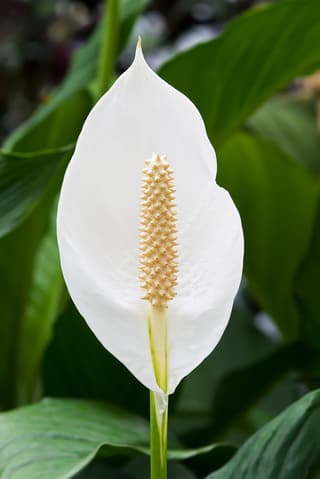
| Peace Lily | Easy | Low light | 4d | ⚠️ |
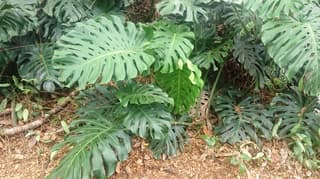
| Swiss Cheese Plant | Easy | Partial shade | 10d | ⚠️ |
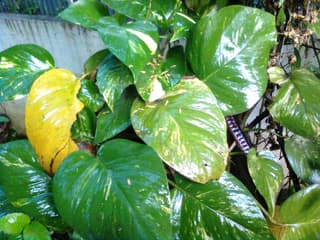
| Golden Pothos | Easy | Low light | 8d | ⚠️ |
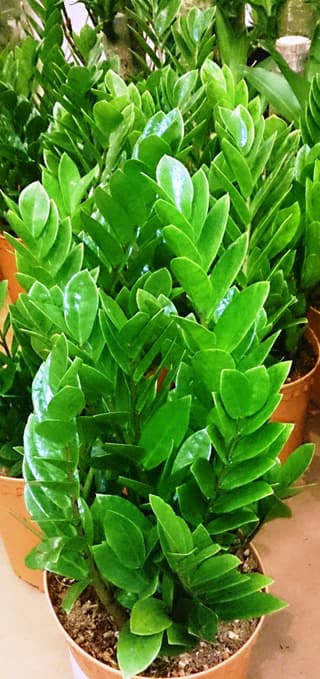
| ZZ Plant | Easy | Low light | 18d | ⚠️ |