Brassicaceae
Kale: Edible Plant
Brassica oleracea var. acephala
An easy-to-grow plant that prefers full sun, soil rich in organic matter, and frequent watering to maintain leaf productivity.
Every 4 days
Bright indirect
-15° - 24°C
40% - 70%
Categories
What is Kale?
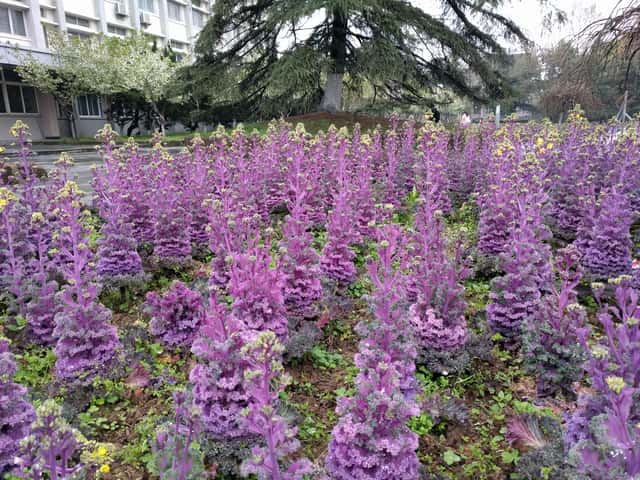
Kale (Brassica oleracea var. acephala) is a easy-care plant from the Brassicaceae family. Kale is a leafy, nutritious herbaceous vegetable belonging to the Brassicaceae family. It is extremely hardy and valued worldwide as a superfood, being rich in iron, calcium, and vitamins A, C, and K. Its leaves can range from light green to purple, depending on the variety.
Kale grows up to 1.0m, with spread of 100cm, watering every 4 days, -15°C – 24°C, 40–70% humidity. It is not suitable for indoor environments and safe for pets.
Unlike many tropical plants, Kale tolerates watering mistakes. Best for beginners. Unlike many popular species, Kale is safe to keep around pets.
How to Care for Kale?
TLDR: Kale needs Bright indirect, watering every 4 days, and temperatures between -15-24°C with 40-70% humidity.
How Often Should You Water Kale?
Water regularly to keep the soil moist but never waterlogged. A lack of water can make the leaves bitter and tough.
How Much Light Does Kale Need?
Kale needs at least 6 hours of direct sunlight to grow vigorously. In very hot climates, partial afternoon shade prevents the leaves from wilting.
What Is the Best Soil for Kale?
The soil should be fertile and well-fertilized with worm castings or well-rotted manure, maintaining a slightly acidic to neutral pH.
What Pot Should You Use for Kale?
Pots with a minimum depth of 30cm to allow root development, preferably made of a material that retains moisture.
Care Schedule
Fertilize
Every 30 days
What Is Kale and Where Does It Come From?
Kale is a leafy, nutritious herbaceous vegetable belonging to the Brassicaceae family. It is extremely hardy and valued worldwide as a superfood, being rich in iron, calcium, and vitamins A, C, and K. Its leaves can range from light green to purple, depending on the variety.
How to Propagate Kale?
Sowing
- Avoid sowing during periods of extreme frost if outdoors.
- Maintain a distance of 40cm between plants when transplanting.
- 1 Soil preparation
Prepare a substrate rich in organic matter and well-drained in seed trays or pots.
- 2 Sowing
Place the seeds about 0.5 cm deep and cover lightly with fine soil.
- 3 Initial watering
Keep the soil constantly moist with a spray bottle until seedlings emerge.
- 4 Transplanting
When the seedlings have 4 to 6 true leaves, transplant them to their final location.
Materials needed:
How Big Does Kale Grow?
TLDR: Kale can reach up to 1.0m tall with Fast growth rate.
Max height
1.0m
Spread
1.0m
Growth rate
Fast
Foliage
Evergreen
Plant Uses
Edible
Can be consumed
Ornamental
Great for decoration
Medicinal
Medicinal properties
Medicinal Uses
- Assistance in gastric healing
- Anti-inflammatory action
- Liver detoxification
- Anemia prevention
Culinary Uses
- Traditional sautés
- Detox and green juices
- Main ingredient in Caldo Verde
- Raw salads (thinly sliced)
- Baked kale chips
Is your plant showing symptoms?
Click on the symptom to discover possible causes:
What Diseases Commonly Affect Kale?
TLDR: Kale is susceptible to 11 known diseases. Monitor regularly for early detection.
Downy Mildew
Downy mildew is a fungal-like disease caused by oomycetes (water molds) that thrives in cool, wet conditions. It affects a wide range of plants, causing yellowing leaves with fuzzy white-gray growth underneath, leading to defoliation and reduced yields if left untreated.
Alternaria Leaf Spot
Alternaria leaf spot is a common fungal disease caused by Alternaria solani and Alternaria alternata that affects a wide range of plants including tomatoes, potatoes, brassicas, and ornamentals. The disease thrives in warm, humid conditions and can cause significant crop damage if left untreated. Spores overwinter on plant debris and can attach to seeds, making complete elimination difficult.
Powdery Mildew
Powdery mildew is a common fungal disease caused by various fungi species including Erysiphe, Podosphaera, Oïdium, and Leveillula. It affects over 10,000 plant species worldwide. The disease thrives in warm, dry climates with high humidity and appears as a distinctive white powdery coating on plant surfaces.
Aphids
Aphids are small, soft-bodied, pear-shaped insects (1/16 to 1/8 inch long) that feed by sucking nutrient-rich sap from plants. They reproduce rapidly and can quickly weaken plants, causing distorted growth and transmitting plant viruses. Aphids come in various colors including green, black, red, yellow, brown, and gray. They secrete honeydew, a sticky substance that attracts ants and encourages sooty mold growth.
Meaning & Symbolism
Represents vitality, regeneration, and the connection to the earth and healthy eating.
Compare with similar plants
| Attribute | Difficulty | Light | Watering | Pet Safe |
|---|---|---|---|---|
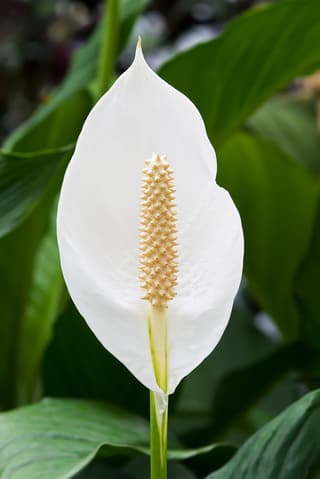
| Peace Lily | Easy | Low light | 4d | ⚠️ |
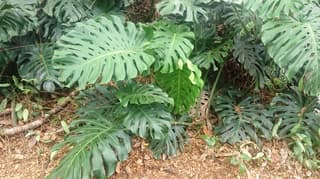
| Swiss Cheese Plant | Easy | Partial shade | 10d | ⚠️ |
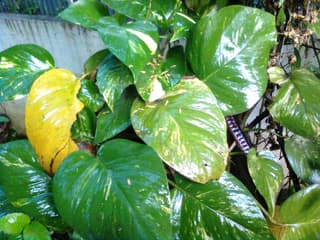
| Golden Pothos | Easy | Low light | 8d | ⚠️ |
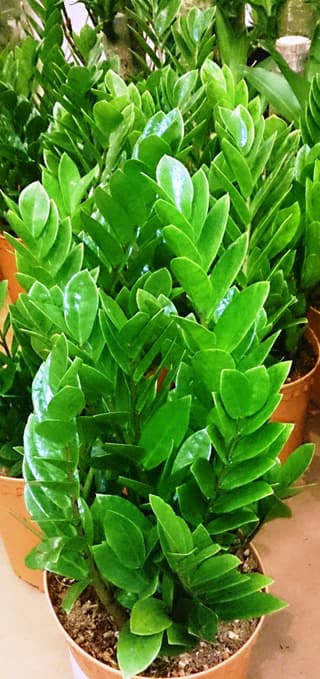
| ZZ Plant | Easy | Low light | 18d | ⚠️ |