Crassulaceae
Crassula (Genus): The Complete Succulent Care Guide
Crassula
Water every 14 days and allow the soil to dry completely between waterings. Place in full sun to bright indirect light. Use a well-draining succulent mix. Overwatering is the leading cause of death for Crassula plants.
Every 14 days
Bright indirect
10° - 27°C
30% - 50%
Categories
What is Crassula (genus)?
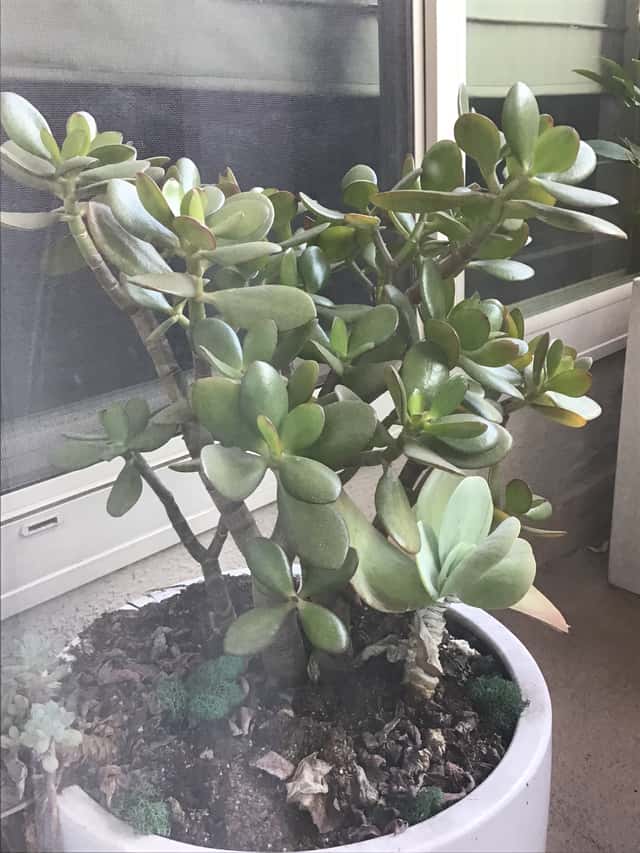
Crassula (genus) (Crassula) is a easy-care plant from the Crassulaceae family. Crassula is a large genus of over 200 succulent species in the family Crassulaceae, native mainly to Southern Africa. Well-known species include C. ovata (jade plant), C. perforata (string of buttons), and C. capitella (red pagoda). They are slow-growing, drought-tolerant plants suited to both indoo...
Crassula (genus) grows up to 1.2m, spread of 90cm, watering every 14 days, 10°C – 27°C, 30–50% humidity. It is suitable for indoor environments and not safe for pets.
Unlike many tropical plants, Crassula (genus) tolerates watering mistakes. Best for beginners. Without precautions, ingestion can cause irritation in pets. Keep out of reach of cats and dogs. Without adequate drainage, root rot can develop within 28 days.
How to Care for Crassula (genus)?
TLDR: Crassula (genus) needs Bright indirect, watering every 14 days, and temperatures between 10-27°C with 30-50% humidity.
How Often Should You Water Crassula (genus)?
Water deeply every 14 days in spring/summer and reduce to once a month in fall/winter. Always let the soil dry out completely before the next watering — these plants are extremely drought-tolerant.
How Much Light Does Crassula (genus) Need?
Crassula thrives in full sun to bright indirect light (10,000–50,000 lux). Place near a south- or west-facing window. Avoid intense direct sun for extended periods in summer, which can scorch leaves.
What Is the Best Soil for Crassula (genus)?
Use a commercial succulent and cactus mix or blend regular potting soil with coarse sand and perlite. Target pH 6.0–7.0. Drainage is non-negotiable.
What Pot Should You Use for Crassula (genus)?
Terracotta or ceramic pot with a drainage hole. Avoid plastic pots that retain moisture. Size the pot proportionally — oversized pots hold too much water.
Care Schedule
Fertilize
Every 90 days
Repot
Every 730 days
What Is Crassula (genus) and Where Does It Come From?
Crassula is a large genus of over 200 succulent species in the family Crassulaceae, native mainly to Southern Africa. Well-known species include C. ovata (jade plant), C. perforata (string of buttons), and C. capitella (red pagoda). They are slow-growing, drought-tolerant plants suited to both indoor and warm outdoor climates (zones 9–11).
How to Propagate Crassula (genus)?
Stem Cutting
Do not water immediately after planting — let the cut end callous first to prevent rot. Keep in bright indirect light while rooting.
- 1 Cut a healthy stem 5-10 cm long with clean scissors
- 2 Allow the cut end to callous for 1-2 days
- 3 Plant in dry succulent mix
- 4 Water lightly after 1 week
Materials needed:
Leaf Propagation
Success rates vary by species. C. ovata and C. perforata respond well. The leaf must come off cleanly at the base to produce roots.
- 1 Gently twist a healthy leaf from the stem at the base
- 2 Allow to dry for 2-3 days until calloused
- 3 Lay flat on moist succulent mix without burying
- 4 Mist lightly and keep in bright indirect light
Materials needed:
How Big Does Crassula (genus) Grow?
TLDR: Crassula (genus) can reach up to 1.2m tall with Slow growth rate.
Max height
1.2m
Spread
90cm
Growth rate
Slow
Foliage
Evergreen
Warning: Toxic Plant
This plant can be toxic if ingested. Keep out of reach of:
Plant Uses
Ornamental
Great for decoration
Is your plant showing symptoms?
Click on the symptom to discover possible causes:
What Diseases Commonly Affect Crassula (genus)?
TLDR: Crassula (genus) is susceptible to 5 known diseases. Monitor regularly for early detection.
Root Rot
Root rot is a serious fungal disease that affects the root system of plants, causing them to decay and die. It is primarily caused by overwatering, poor drainage, or soil-borne fungi such as Pythium, Phytophthora, Rhizoctonia, and Fusarium. The disease thrives in waterlogged conditions where roots are deprived of oxygen, making them susceptible to fungal infection.
Overwatering
Overwatering occurs when plants receive too much water, depriving roots of oxygen and causing root rot. This environmental stress is one of the most common causes of houseplant death, as waterlogged soil prevents roots from breathing and functioning properly.
Mealybugs
Mealybugs are small, soft-bodied insects covered with a white, waxy, cottony material. They are common pests of houseplants and outdoor plants in mild climates. These sap-sucking insects feed on plant tissue, causing damage, stunted growth, and can lead to plant death if left untreated. They produce sticky honeydew which attracts sooty mold.
Scale Insects
Scale insects are small sap-sucking pests that appear as brown, shell-like bumps on plant stems and leaves. There are over 25 species, divided into armored (hard) and unarmored (soft) scales. They feed by piercing plant tissue and extracting sap, which weakens the plant and can lead to yellowing, stunted growth, and even death if left untreated. They also excrete honeydew, which attracts ants and promotes sooty mold growth.
Meaning & Symbolism
In Feng Shui and Asian cultures, C. ovata (jade plant) is a symbol of prosperity, good luck, and positive energy. It is a traditional housewarming gift in many Asian communities.
Fun Facts
The Crassula genus has over 200 species, but just one — C. ovata — accounts for the vast majority of the worldwide jade plant market.
The name Crassula comes from the Latin \"crassus,\" meaning \"thick\" — a reference to the fleshy water-storing leaves.
A well-cared-for jade plant (C. ovata) can live more than 100 years and is often passed down through generations.
Some Crassula species bloom in response to winter cold, producing clusters of tiny star-shaped white or pink flowers.
Frequently asked questions
How often should I water a Crassula?
Is Crassula toxic to cats and dogs?
How much light does a Crassula need?
Why are my Crassula leaves soft or yellowing?
Can I grow Crassula indoors?
Compare with similar plants
| Attribute | Difficulty | Light | Watering | Pet Safe |
|---|---|---|---|---|
| Field Maple | Easy | Bright indirect | 14d | ✓ |
| Silver Birch | Easy | Direct sun | 14d | ✓ |
| Cushion Bush | Easy | Direct sun | 14d | ✓ |
| Peruvian peppertree | Easy | Direct sun | 14d | ⚠️ |