Caryophyllaceae
China Pink (Dianthus chinensis): Care, Growing Tips & Varieties
Dianthus chinensis
China Pink is an easy-care plant that thrives in full sun with well-draining soil. Water once a week, allow soil to dry slightly between waterings, and deadhead spent blooms regularly to encourage continuous flowering. Fertilize monthly during the growing season for best results.
Every 7 days
Bright indirect
4° - 24°C
40% - 65%
Categories
What is China Pink?
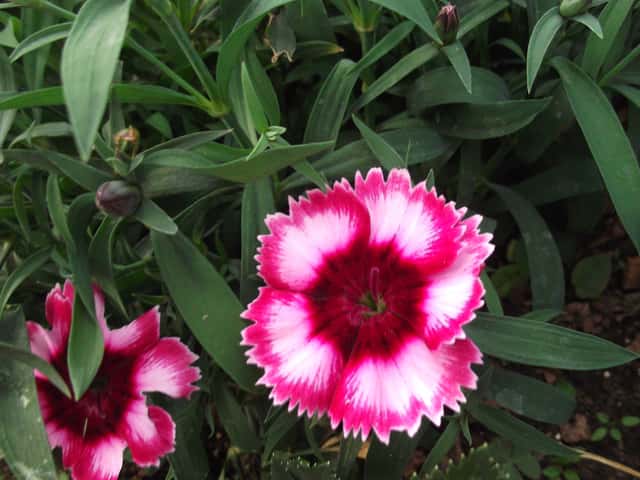
China Pink (Dianthus chinensis) is a easy-care plant from the Caryophyllaceae family. Dianthus chinensis, commonly known as China Pink, is a charming flowering annual or short-lived perennial native to China. It produces vibrant, fringed flowers in shades of pink, red, white, and bicolor patterns. A classic cottage garden plant, it thrives in borders, containers, and rock gardens, bl...
China Pink grows up to 75cm, with spread of 30cm, watering every 7 days, 4°C – 24°C, 40–65% humidity. It is not suitable for indoor environments and not safe for pets.
Unlike many tropical plants, China Pink tolerates watering mistakes. Best for beginners. Without precautions, ingestion can cause irritation in pets. Keep out of reach of cats and dogs.
How to Care for China Pink?
TLDR: China Pink needs Bright indirect, watering every 7 days, and temperatures between 4-24°C with 40-65% humidity.
How Often Should You Water China Pink?
Water deeply once a week, allowing the soil to dry out slightly between sessions. Avoid overwatering as Dianthus is susceptible to crown rot and root rot in waterlogged conditions. Prefer a slow, deep soak over frequent shallow watering.
How Much Light Does China Pink Need?
Provide full sun for at least 6 hours daily. In hot climates, afternoon shade is beneficial. Strong light encourages prolific blooming and compact, sturdy growth.
What Is the Best Soil for China Pink?
Use well-draining soil with a neutral to slightly alkaline pH (6.0–8.0). A mix of loamy soil with added perlite or grit works well. Avoid heavy clay soils that retain moisture.
What Pot Should You Use for China Pink?
Terracotta or clay pots are ideal as they promote drainage and prevent waterlogging. Ensure pots have drainage holes. Raised beds or gritty container mixes also work well outdoors.
Care Schedule
Fertilize
Every 30 days
Repot
Every 365 days
What Is China Pink and Where Does It Come From?
Dianthus chinensis, commonly known as China Pink, is a charming flowering annual or short-lived perennial native to China. It produces vibrant, fringed flowers in shades of pink, red, white, and bicolor patterns. A classic cottage garden plant, it thrives in borders, containers, and rock gardens, blooming from spring through fall with minimal care.
How to Propagate China Pink?
Seed Propagation
Direct sowing after frost is easiest. Thin seedlings promptly to avoid competition. Seeds are self-seeding and may naturalize in the garden.
- 1 Sow seeds directly into the garden after the last frost, or start indoors 6-8 weeks earlier
- 2 Lightly press seeds onto the surface of moist, well-draining seed mix
- 3 Keep soil consistently moist at 65-70°F until germination
- 4 Thin seedlings to 15-30 cm apart once they develop two sets of true leaves
Materials needed:
Stem Cutting
Use clean, sharp scissors to prevent disease. Maintain humidity around cuttings. Roots typically form in 4-5 weeks.
- 1 Take a 5-8 cm cutting just below a node from a healthy, non-flowering stem
- 2 Remove the lower leaves, leaving 2-3 at the tip
- 3 Dip the cut end in rooting hormone powder
- 4 Insert into moist perlite or potting mix and keep in bright indirect light
Materials needed:
How Big Does China Pink Grow?
TLDR: China Pink can reach up to 75cm tall with Medium growth rate.
Max height
75cm
Spread
30cm
Growth rate
Medium
Foliage
Evergreen
Warning: Toxic Plant
This plant can be toxic if ingested. Keep out of reach of:
Plant Uses
Ornamental
Great for decoration
Medicinal Uses
- Historically used in traditional Chinese medicine for digestive ailments, eye conditions, and reducing swelling
Is your plant showing symptoms?
Click on the symptom to discover possible causes:
What Diseases Commonly Affect China Pink?
TLDR: China Pink is susceptible to 12 known diseases. Monitor regularly for early detection.
Root Rot
Root rot is a serious fungal disease that affects the root system of plants, causing them to decay and die. It is primarily caused by overwatering, poor drainage, or soil-borne fungi such as Pythium, Phytophthora, Rhizoctonia, and Fusarium. The disease thrives in waterlogged conditions where roots are deprived of oxygen, making them susceptible to fungal infection.
Crown Rot
Crown rot is a serious fungal disease that attacks the crown (base) of the plant where the stem meets the soil. It is caused by various fungal pathogens including Phytophthora, Fusarium, and Rhizoctonia. The disease thrives in waterlogged conditions and can quickly spread to kill the entire plant if not addressed promptly.
Rust
Rust is a common fungal disease caused by fungi in the order Pucciniales that affects a wide variety of plants. The disease gets its name from the characteristic orange, yellow, or reddish-brown pustules that appear on leaves, resembling metal rust. This obligate fungal parasite requires living plants to survive and can cause significant economic losses in agricultural crops.
Powdery Mildew
Powdery mildew is a common fungal disease caused by various fungi species including Erysiphe, Podosphaera, Oïdium, and Leveillula. It affects over 10,000 plant species worldwide. The disease thrives in warm, dry climates with high humidity and appears as a distinctive white powdery coating on plant surfaces.
Meaning & Symbolism
In the language of flowers, China Pink symbolizes love, admiration, and divinity. It is often associated with purity and the affection between loved ones.
Fun Facts
Dianthus means "flower of the gods" in Greek, derived from "dios" (Zeus) and "anthos" (flower)
China Pink is one of the parent species of the modern carnation (Dianthus caryophyllus)
The flowers are lightly fragrant with a clove-like scent
China Pink self-seeds readily and can naturalize in gardens year after year
Frequently asked questions
How often should I water China Pink?
Is China Pink toxic to pets?
Does China Pink come back every year?
What is the best soil for China Pink?
Why are my China Pink flowers not blooming?
Compare with similar plants
| Attribute | Difficulty | Light | Watering | Pet Safe |
|---|---|---|---|---|
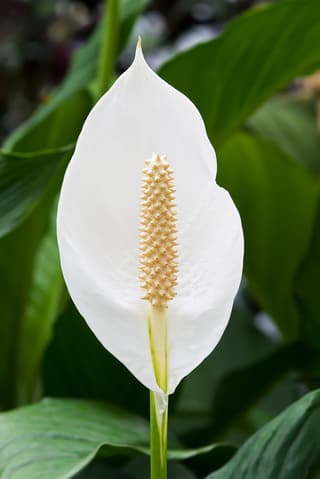
| Peace Lily | Easy | Low light | 4d | ⚠️ |
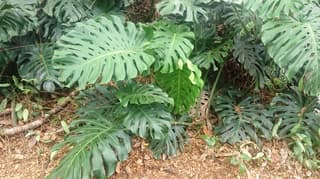
| Swiss Cheese Plant | Easy | Partial shade | 10d | ⚠️ |
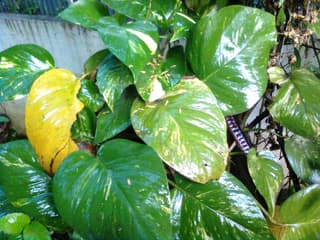
| Golden Pothos | Easy | Low light | 8d | ⚠️ |
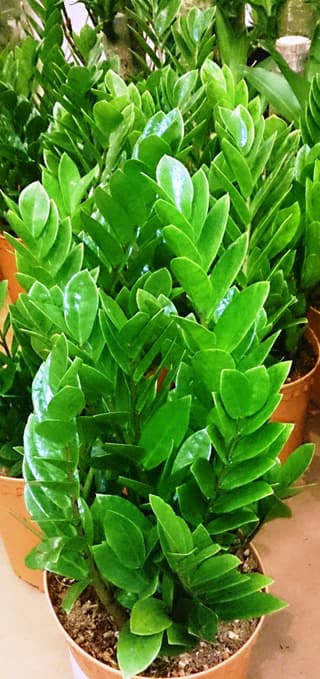
| ZZ Plant | Easy | Low light | 18d | ⚠️ |