Lamiaceae
Creeping Charlie (Glechoma hederacea)
Glechoma hederacea
Creeping Charlie is an easy-care plant that thrives in partial shade with moderate watering. Allow the top inch of soil to dry between waterings. It prefers cool to moderate temperatures and adequate humidity. Fertilize monthly during the growing season and trim regularly to control its vigorous spreading habit.
Every 7 days
Partial shade
10° - 24°C
40% - 60%
Categories
What is Creeping Charlie?
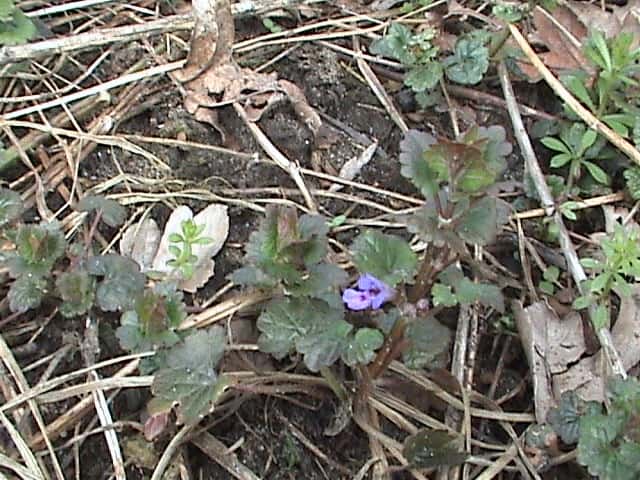
Creeping Charlie (Glechoma hederacea) is a easy-care plant from the Lamiaceae family. Glechoma hederacea, commonly known as Creeping Charlie or Ground Ivy, is a fast-growing evergreen perennial native to Europe and Asia. It belongs to the mint family (Lamiaceae) and produces small, rounded, aromatic leaves with scalloped edges on trailing stems. In spring, it blooms with delicate lav...
Creeping Charlie grows up to 20cm, with spread of 100cm, watering every 7 days, 10°C – 24°C, 40–60% humidity. It is suitable for indoor environments and not safe for pets.
Unlike many tropical plants, Creeping Charlie tolerates watering mistakes. Best for beginners. Without precautions, ingestion can cause irritation in pets. Keep out of reach of cats and dogs. Without adequate drainage, root rot can develop within 14 days.
How to Care for Creeping Charlie?
TLDR: Creeping Charlie needs Partial shade, watering every 7 days, and temperatures between 10-24°C with 40-60% humidity.
How Often Should You Water Creeping Charlie?
Water when the top inch of soil feels dry, approximately every 7 days. Avoid overwatering as this plant is susceptible to root rot. Reduce watering in winter when growth slows. Ensure the pot has drainage holes to prevent waterlogging.
How Much Light Does Creeping Charlie Need?
Prefers partial shade to medium indirect light. Avoid prolonged direct afternoon sun, which can scorch the delicate leaves. Indoors, place near a north or east-facing window. Outdoors, it thrives beautifully under tree canopies or in shaded garden beds.
What Is the Best Soil for Creeping Charlie?
Use a well-draining, loamy potting mix rich in organic matter. A blend of 2 parts potting soil, 1 part perlite, and 1 part compost works well. Slightly acidic to neutral pH (6.0–7.0) is ideal. Avoid heavy clay soils that retain too much moisture.
What Pot Should You Use for Creeping Charlie?
Terracotta or plastic hanging baskets work best for Creeping Charlie indoors, allowing the trailing stems to cascade. Use a pot with ample drainage holes. Outdoors, no container is necessary as it spreads freely as a ground cover.
Care Schedule
Fertilize
Every 30 days
Misting
Every 3 days
Repot
Every 365 days
What Is Creeping Charlie and Where Does It Come From?
Glechoma hederacea, commonly known as Creeping Charlie or Ground Ivy, is a fast-growing evergreen perennial native to Europe and Asia. It belongs to the mint family (Lamiaceae) and produces small, rounded, aromatic leaves with scalloped edges on trailing stems. In spring, it blooms with delicate lavender-blue flowers that attract pollinators. It thrives as both a ground cover outdoors and a trailing houseplant indoors, adapting well to partial shade.
How to Propagate Creeping Charlie?
Stem Cutting
Use clean, sharp scissors to avoid crushing the stem. Change water weekly if rooting in water. High humidity speeds up rooting.
- 1 Cut a healthy stem section of 10-15 cm with at least 2-3 leaf nodes
- 2 Remove the lower leaves, leaving only the top 2-3 leaves
- 3 Place the cutting in a glass of water or moist potting mix
- 4 Keep in bright indirect light and maintain moisture until roots appear (2-3 weeks)
- 5 Transplant to a pot with well-draining soil once roots are 2-3 cm long
Materials needed:
Division
Best done in spring when the plant is actively growing. Keep divisions moist for the first week to reduce transplant stress.
- 1 Remove the plant from its pot and gently separate the root mass into 2-3 sections
- 2 Ensure each section has healthy roots and several stems
- 3 Plant each division in its own pot with fresh potting mix
- 4 Water thoroughly and place in indirect light until established
Materials needed:
How Big Does Creeping Charlie Grow?
TLDR: Creeping Charlie can reach up to 20cm tall with Fast growth rate.
Max height
20cm
Spread
1.0m
Growth rate
Fast
Foliage
Evergreen
Warning: Toxic Plant
This plant can be toxic if ingested. Keep out of reach of:
Plant Uses
Ornamental
Great for decoration
Medicinal
Medicinal properties
Aromatic
Pleasant fragrance
Ground Cover
Soil coverage
Medicinal Uses
- Traditionally used as a diuretic and expectorant for respiratory complaints
- Applied topically for skin conditions and inflammation
- Historically employed to treat ear, nose, and throat mucous membrane issues
Culinary Uses
- Young leaves can be eaten raw in salads for a slightly bitter, aromatic flavor
- Historically used to flavor and clarify beer before hops became standard
Is your plant showing symptoms?
Click on the symptom to discover possible causes:
What Diseases Commonly Affect Creeping Charlie?
TLDR: Creeping Charlie is susceptible to 7 known diseases. Monitor regularly for early detection.
Root Rot
Root rot is a serious fungal disease that affects the root system of plants, causing them to decay and die. It is primarily caused by overwatering, poor drainage, or soil-borne fungi such as Pythium, Phytophthora, Rhizoctonia, and Fusarium. The disease thrives in waterlogged conditions where roots are deprived of oxygen, making them susceptible to fungal infection.
Powdery Mildew
Powdery mildew is a common fungal disease caused by various fungi species including Erysiphe, Podosphaera, Oïdium, and Leveillula. It affects over 10,000 plant species worldwide. The disease thrives in warm, dry climates with high humidity and appears as a distinctive white powdery coating on plant surfaces.
Leaf Spot
Leaf spot is a common fungal disease caused by various pathogens including Alternaria, Ascochyta, Colletotrichum, Septoria, and Venturia. It primarily affects leaves, causing discolored spots that can lead to premature leaf drop if left untreated.
Aphids
Aphids are small, soft-bodied, pear-shaped insects (1/16 to 1/8 inch long) that feed by sucking nutrient-rich sap from plants. They reproduce rapidly and can quickly weaken plants, causing distorted growth and transmitting plant viruses. Aphids come in various colors including green, black, red, yellow, brown, and gray. They secrete honeydew, a sticky substance that attracts ants and encourages sooty mold growth.
Meaning & Symbolism
In European folklore, ground ivy was used to clarify ale before hops became the standard brewing ingredient, symbolizing resourcefulness and purification. It has long been associated with healing traditions and protective herbalism.
Fun Facts
Glechoma hederacea was used by European brewers for centuries to clarify and flavor ale — a practice predating the use of hops.
Its stems can reach over 1 meter in length, forming dense mats that suppress weeds effectively.
The plant produces a pleasant minty aroma when its leaves are crushed, due to its volatile essential oils.
It blooms as early as March in mild European climates, making it one of the first nectar sources for early pollinators.
Frequently asked questions
How often should I water Creeping Charlie?
Does Creeping Charlie do well indoors?
Is Creeping Charlie toxic to pets?
Why are my Creeping Charlie leaves turning yellow?
How do I control Creeping Charlie in my garden?
Compare with similar plants
| Attribute | Difficulty | Light | Watering | Pet Safe |
|---|---|---|---|---|
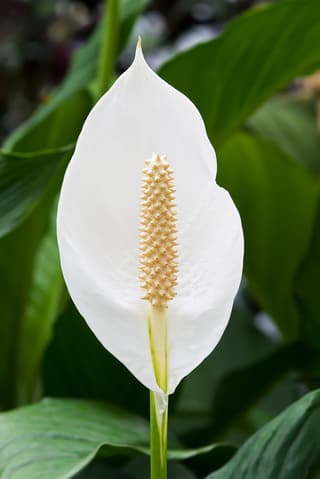
| Peace Lily | Easy | Low light | 4d | ⚠️ |
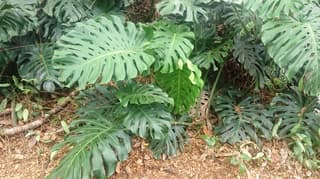
| Swiss Cheese Plant | Easy | Partial shade | 10d | ⚠️ |
| Golden Pothos | Easy | Low light | 8d | ⚠️ |
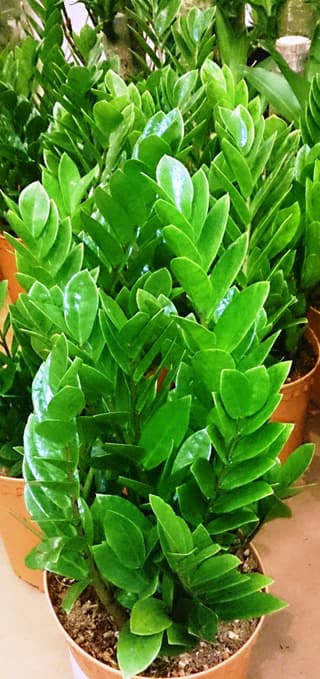
| ZZ Plant | Easy | Low light | 18d | ⚠️ |