Moraceae
Creeping Fig - Ficus pumila
Ficus pumila
Easy-care fast-growing vine. Water when top inch of soil dries, about every 5 days. Provide bright indirect light and moderate to high humidity (50-70%). Mist regularly. Prune to control vigorous growth.
Every 5 days
Partial shade
13° - 29°C
50% - 70%
Categories
What is Creeping Fig?
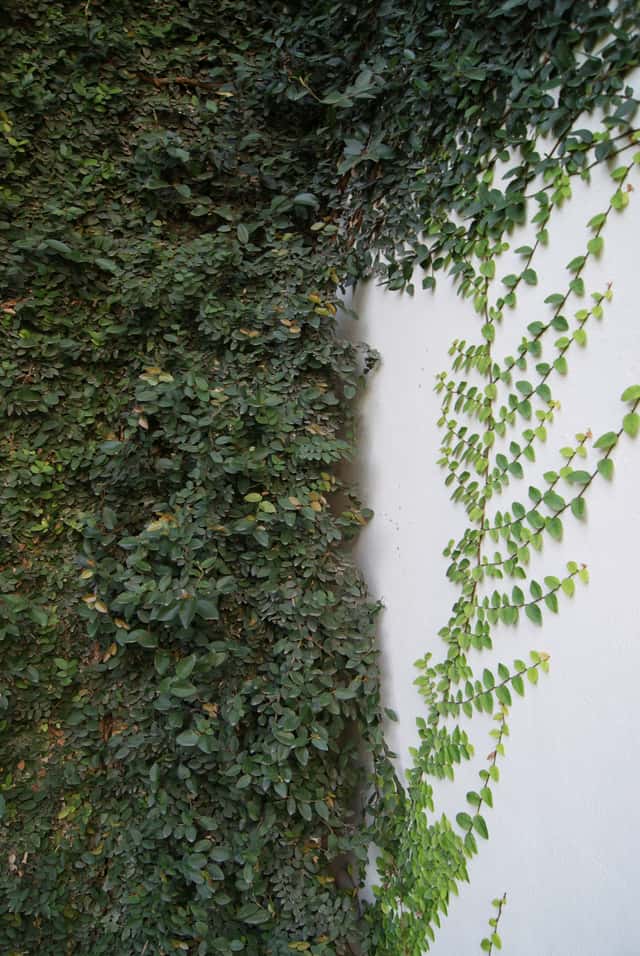
Creeping Fig (Ficus pumila) is a easy-care plant from the Moraceae family. Ficus pumila is a vigorous, fast-growing evergreen vine native to East Asia. Known for its ability to cling to walls and surfaces with aerial rootlets, this versatile plant produces small, heart-shaped leaves that create a lush green carpet. Indoors it makes an elegant trailing or climbing houseplan...
Creeping Fig grows up to 12.0m, with spread of 400cm, watering every 5 days, 13°C – 29°C, 50–70% humidity. It is suitable for indoor environments and not safe for pets.
Unlike many tropical plants, Creeping Fig tolerates watering mistakes. Best for beginners. Without precautions, ingestion can cause irritation in pets. Keep out of reach of cats and dogs. Without adequate drainage, root rot can develop within 10 days.
How to Care for Creeping Fig?
TLDR: Creeping Fig needs Partial shade, watering every 5 days, and temperatures between 13-29°C with 50-70% humidity.
How Often Should You Water Creeping Fig?
Water when the top inch of soil feels dry, typically every 5 days during growing season. Reduce watering in winter but never let the soil dry out completely. Ensure good drainage to prevent root rot.
How Much Light Does Creeping Fig Need?
Thrives in bright, indirect light but tolerates low light conditions. Avoid direct midday sun which can scorch leaves. Variegated varieties need more light to maintain their coloring.
What Is the Best Soil for Creeping Fig?
Use well-draining, slightly acidic to neutral soil (pH 6.0-7.5). A mix of equal parts potting soil, peat moss, and perlite works well. Good drainage is essential to prevent root rot.
What Pot Should You Use for Creeping Fig?
Use a shallow, wide pot with drainage holes. Hanging baskets and wall-mounted planters work well for trailing growth. Terracotta pots help regulate moisture.
Care Schedule
Fertilize
Every 30 days
Misting
Every 3 days
Repot
Every 365 days
What Is Creeping Fig and Where Does It Come From?
Ficus pumila is a vigorous, fast-growing evergreen vine native to East Asia. Known for its ability to cling to walls and surfaces with aerial rootlets, this versatile plant produces small, heart-shaped leaves that create a lush green carpet. Indoors it makes an elegant trailing or climbing houseplant, while outdoors it serves as an excellent ground cover or wall climber in temperate and tropical climates.
How to Propagate Creeping Fig?
Stem cutting
Cuttings root easily in both water and soil. Maintain consistent moisture and warmth for best results.
- 1 Cut a 10-15cm stem tip with at least 2-3 leaves
- 2 Remove the lower leaves
- 3 Dip the cut end in rooting hormone
- 4 Place in moist potting mix or water
- 5 Keep in warm, bright indirect light with high humidity
Materials needed:
Layering
Layering is the easiest method since the stem roots naturally where it touches soil.
- 1 Select a healthy stem still attached to the parent plant
- 2 Bend it down to touch moist soil in an adjacent pot
- 3 Pin the stem to the soil with a wire or small stake
- 4 Keep the soil moist until roots form
- 5 Cut the new plant from the parent once established
Materials needed:
How Big Does Creeping Fig Grow?
TLDR: Creeping Fig can reach up to 12.0m tall with Fast growth rate.
Max height
12.0m
Spread
4.0m
Growth rate
Fast
Foliage
Evergreen
Warning: Toxic Plant
This plant can be toxic if ingested. Keep out of reach of:
Plant Uses
Ornamental
Great for decoration
Air Purifying
Improves air quality
Ground Cover
Soil coverage
Is your plant showing symptoms?
Click on the symptom to discover possible causes:
What Diseases Commonly Affect Creeping Fig?
TLDR: Creeping Fig is susceptible to 7 known diseases. Monitor regularly for early detection.
Root Rot
Root rot is a serious fungal disease that affects the root system of plants, causing them to decay and die. It is primarily caused by overwatering, poor drainage, or soil-borne fungi such as Pythium, Phytophthora, Rhizoctonia, and Fusarium. The disease thrives in waterlogged conditions where roots are deprived of oxygen, making them susceptible to fungal infection.
Leaf Spot
Leaf spot is a common fungal disease caused by various pathogens including Alternaria, Ascochyta, Colletotrichum, Septoria, and Venturia. It primarily affects leaves, causing discolored spots that can lead to premature leaf drop if left untreated.
Powdery Mildew
Powdery mildew is a common fungal disease caused by various fungi species including Erysiphe, Podosphaera, Oïdium, and Leveillula. It affects over 10,000 plant species worldwide. The disease thrives in warm, dry climates with high humidity and appears as a distinctive white powdery coating on plant surfaces.
Spider Mites
Spider mites are tiny arachnids (less than 1/20 inch long) related to spiders and ticks that feed on plant sap. They thrive in hot, dry conditions and can cause significant damage to ornamental and vegetable plants. During severe infestations, crop losses can reach 14% or higher as these pests disrupt vital plant processes including photosynthesis, carbon dioxide absorption, and transpiration.
Meaning & Symbolism
Symbolizes resilience and perseverance due to its tenacious climbing habit and ability to thrive in challenging conditions.
Fun Facts
Can grow up to 12 meters tall when climbing outdoors
The juvenile and mature leaves look completely different - juveniles are small and heart-shaped while mature leaves are much larger
In its native habitat in East Asia, the fruit is used to make a jelly-like dessert called aiyu jelly in Taiwan
It was one of the first ornamental ficus species introduced to Western horticulture in the 1700s
Frequently asked questions
How often should I water my Creeping Fig?
Is Creeping Fig toxic to pets?
How fast does Creeping Fig grow?
Can Creeping Fig damage walls?
Compare with similar plants
| Attribute | Difficulty | Light | Watering | Pet Safe |
|---|---|---|---|---|
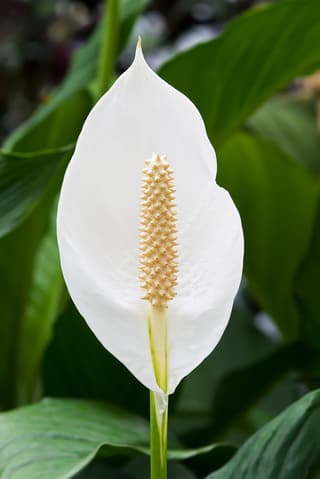
| Peace Lily | Easy | Low light | 4d | ⚠️ |
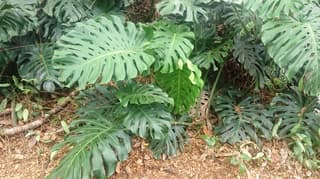
| Swiss Cheese Plant | Easy | Partial shade | 10d | ⚠️ |
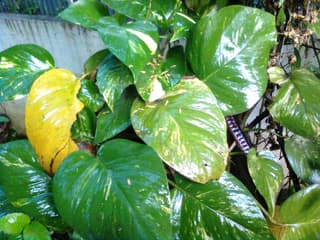
| Golden Pothos | Easy | Low light | 8d | ⚠️ |
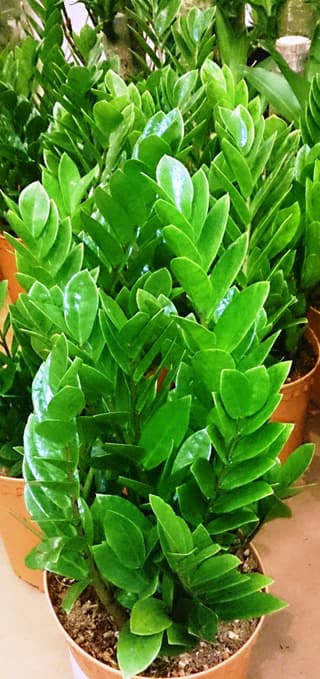
| ZZ Plant | Easy | Low light | 18d | ⚠️ |