Amaranthaceae
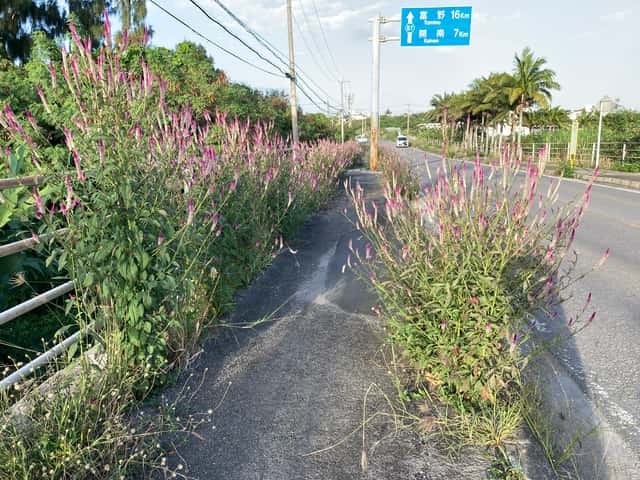
Cockscomb (Celosia argentea)
Celosia argentea
Full-sun plant, highly tolerant of heat and drought. Water moderately every 2-3 days at the base to avoid fungal issues. Fertilize every 15-20 days with a balanced fertilizer, favoring phosphorus and potassium. Prefers well-draining, slightly acidic to neutral soil. Excellent for borders, containers, and cut flower arrangements.
Every 3 days
Direct sun
15° - 38°C
40% - 70%
Categories
What is Cockscomb?
Cockscomb (Celosia argentea) is a easy-care plant from the Amaranthaceae family. Cockscomb (Celosia argentea) is a tropical ornamental plant native to tropical Africa and Asia, celebrated for its striking inflorescences in shades of red, orange, gold, pink, purple, and cream. Belonging to the Amaranthaceae family, it comes in three main forms: cristata (sculptural crested), plum...
Cockscomb grows up to 1.0m, with spread of 40cm, watering every 3 days, 15°C – 38°C, 40–70% humidity. It is suitable for indoor environments and safe for pets.
Unlike many tropical plants, Cockscomb tolerates watering mistakes. Best for beginners. Unlike many popular species, Cockscomb is safe to keep around pets. Without adequate drainage, root rot can develop within 7 days.
How to Care for Cockscomb?
TLDR: Cockscomb needs Direct sun, watering every 3 days, and temperatures between 15-38°C with 40-70% humidity.
How Often Should You Water Cockscomb?
Water every 2-3 days directly at the base without wetting leaves or flowers. Keep soil evenly moist but never waterlogged. During intense heat, daily watering may be needed. Avoid evening irrigation to prevent fungal diseases.
How Much Light Does Cockscomb Need?
Cockscomb requires full sun — at least 6 to 8 hours of direct sunlight per day. In partial shade, flowers lose vitality and the plant becomes leggy. In extreme heat regions, light afternoon shade can be beneficial.
What Is the Best Soil for Cockscomb?
Use light, fertile, well-draining mix with pH between 6.0 and 7.2. Incorporate mature organic compost and perlite to ensure good drainage. Avoid compacted clay soils, which promote root rot.
What Pot Should You Use for Cockscomb?
Ceramic or terracotta pots with generous drainage holes. Also excellent for outdoor borders, flower beds, and window boxes. Avoid very deep pots; Celosia prefers lateral space.
Care Schedule
Fertilize
Every 15 days
What Is Cockscomb and Where Does It Come From?
Cockscomb (Celosia argentea) is a tropical ornamental plant native to tropical Africa and Asia, celebrated for its striking inflorescences in shades of red, orange, gold, pink, purple, and cream. Belonging to the Amaranthaceae family, it comes in three main forms: cristata (sculptural crested), plumosa (velvety feathery plumes), and spicata (elegant conical spikes). It is grown as an annual in temperate climates and as a short-lived perennial in tropical regions. Beyond its ornamental value, its young leaves are edible with a flavor similar to spinach.
How to Propagate Cockscomb?
Seed Propagation
Use sterilized substrate to prevent damping-off. Water with a mister to avoid displacing seeds. Fertilize lightly after germination.
- 1 Surface-sow on moist sterilized substrate without covering seeds, as they need light to germinate
- 2 Maintain temperature between 22-26°C until germination in 5-10 days
- 3 When 2-3 true leaves appear, transplant to a larger container or final location
- 4 Harden off seedlings for 3-5 days before full sun exposure
- 5 Space plants 20-45 cm apart depending on cultivar
Materials needed:
How Big Does Cockscomb Grow?
TLDR: Cockscomb can reach up to 1.0m tall with Fast growth rate.
Max height
1.0m
Spread
40cm
Growth rate
Fast
Foliage
Evergreen
Plant Uses
Ornamental
Great for decoration
Edible
Can be consumed
Culinary Uses
- Young leaves can be eaten sautéed, in soups, or stews with a flavor similar to spinach or amaranth — avoid consuming florist specimens that may contain pesticides
Is your plant showing symptoms?
Click on the symptom to discover possible causes:
What Diseases Commonly Affect Cockscomb?
TLDR: Cockscomb is susceptible to 12 known diseases. Monitor regularly for early detection.
Aphids
Aphids are small, soft-bodied, pear-shaped insects (1/16 to 1/8 inch long) that feed by sucking nutrient-rich sap from plants. They reproduce rapidly and can quickly weaken plants, causing distorted growth and transmitting plant viruses. Aphids come in various colors including green, black, red, yellow, brown, and gray. They secrete honeydew, a sticky substance that attracts ants and encourages sooty mold growth.
Spider Mites
Spider mites are tiny arachnids (less than 1/20 inch long) related to spiders and ticks that feed on plant sap. They thrive in hot, dry conditions and can cause significant damage to ornamental and vegetable plants. During severe infestations, crop losses can reach 14% or higher as these pests disrupt vital plant processes including photosynthesis, carbon dioxide absorption, and transpiration.
Whiteflies
Whiteflies are small, soft-bodied, winged insects closely related to aphids and mealybugs. They are moth-like in appearance, about 1/16 inch long, triangular in shape, and gray-white in color. These sap-sucking pests feed on plant tissue, causing yellowing, stunted growth, and wilting. They also excrete honeydew, which attracts ants and promotes sooty mold growth. Whiteflies can transmit serious plant viruses.
Thrips
Thrips are tiny cigar-shaped insects (1/25-inch long) that damage plants by sucking plant juices and scraping at fruits, flowers, and leaves. With over 6,000 species and rapid reproduction (lifecycle as short as 14 days), they can quickly infest plants and transmit viruses like tomato spotted wilt virus.
Meaning & Symbolism
Symbolizes vitality, exuberance, and joy. In African and Asian cultures it represents immortality and prosperity, associated with the energy of fire and the persistence of life.
Fun Facts
Cockscomb can grow and bloom in just 70-100 days from sowing
Its flowers retain their color even after drying, making them popular in permanent arrangements
Young leaves are edible and rich in iron, vitamins A and C, consumed as a vegetable in parts of Africa and Asia
The name Celosia comes from the Greek 'keleos' meaning 'burning', referring to the flame-like appearance of the flowers
Frequently asked questions
How often should I water Cockscomb?
Is Celosia argentea toxic to pets?
Can I grow Cockscomb in a container?
Why is my Celosia not flowering?
How do I dry Cockscomb flowers?
Compare with similar plants
| Attribute | Difficulty | Light | Watering | Pet Safe |
|---|---|---|---|---|
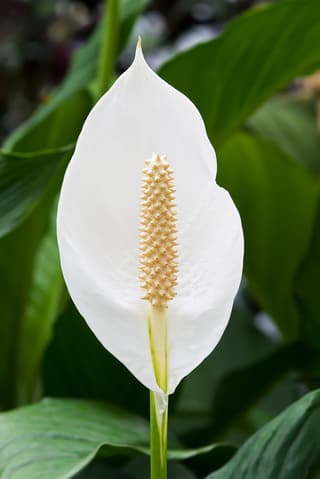
| Peace Lily | Easy | Low light | 4d | ⚠️ |
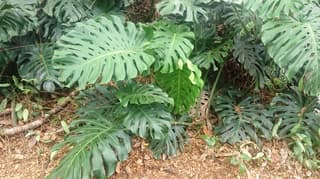
| Swiss Cheese Plant | Easy | Partial shade | 10d | ⚠️ |
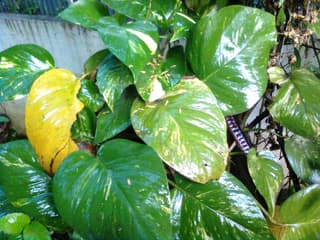
| Golden Pothos | Easy | Low light | 8d | ⚠️ |
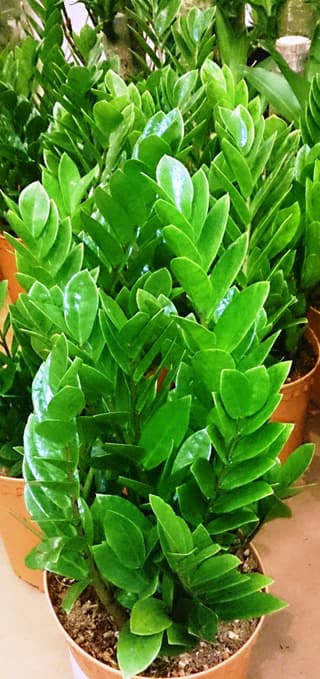
| ZZ Plant | Easy | Low light | 18d | ⚠️ |