Rosaceae
Damask Rose (Rosa × damascena): Complete Growing Guide
Rosa × damascena
A demanding plant requiring full sun (minimum 6 hours daily), regular weekly watering with well-drained soil, fertilization every 30 days in spring-summer, annual post-bloom pruning, and constant monitoring for pests and fungal diseases. Avoid wetting the leaves when watering.
Every 7 days
Direct sun
-10° - 30°C
40% - 65%
Categories
What is Damask Rose?
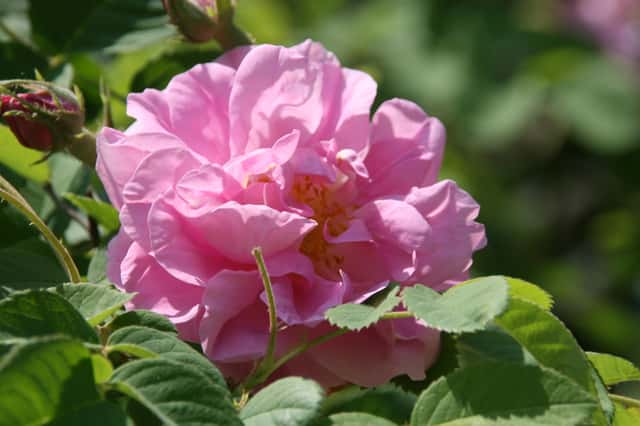
Damask Rose (Rosa × damascena) is a hard-care plant from the Rosaceae family. The Damask Rose (Rosa × damascena) is an ancient hybrid shrub, likely a cross between Rosa gallica and Rosa moschata. Cultivated for millennia across the Middle East, Turkey, Bulgaria, and Iran, it is the primary source of precious rose oil (attar of roses) and rose water. Its semi-double to double...
Damask Rose grows up to 2.1m, spread of 150cm, watering every 7 days, -10°C – 30°C, 40–65% humidity. It is not suitable for indoor environments and safe for pets.
Unlike easy-care plants, Damask Rose demands constant attention to humidity and light. Not recommended for beginners. Unlike many popular species, Damask Rose is safe to keep around pets.
How to Care for Damask Rose?
TLDR: Damask Rose needs Direct sun, watering every 7 days, and temperatures between -10-30°C with 40-65% humidity.
How Often Should You Water Damask Rose?
Water deeply once a week during the growing season, keeping the soil consistently moist but not waterlogged. Reduce frequency in autumn and winter. Never wet the foliage — apply water directly at the base to prevent fungal diseases.
How Much Light Does Damask Rose Need?
Requires full sun — at least 6 hours of direct sunlight daily. A location with light afternoon shade may protect blooms in very hot climates, but insufficient light drastically reduces flowering and oil production.
What Is the Best Soil for Damask Rose?
Prefers well-draining, loamy soil enriched with organic matter. Amend the planting hole with compost or aged manure. Maintain pH between 6.0 and 7.0. Avoid compacted or poorly draining soils, which promote root rot.
What Pot Should You Use for Damask Rose?
Unglazed terracotta or ceramic pots, large (minimum 40 cm in diameter and depth), with drainage holes. Avoid dark plastic pots that overheat in summer. For garden planting, use raised beds if drainage is poor.
Care Schedule
Fertilize
Every 30 days
What Is Damask Rose and Where Does It Come From?
The Damask Rose (Rosa × damascena) is an ancient hybrid shrub, likely a cross between Rosa gallica and Rosa moschata. Cultivated for millennia across the Middle East, Turkey, Bulgaria, and Iran, it is the primary source of precious rose oil (attar of roses) and rose water. Its semi-double to double flowers emit an intense, sweet fragrance. It grows up to 7 feet tall with arching, thorny canes and deciduous mid-green foliage.
How to Propagate Damask Rose?
Hardwood stem cutting
Use alcohol-sterilized tools. Keep medium moist but not soggy. Rooting is slower in winter — prefer autumn or early spring.
- 1 Cut 15 cm sections from healthy, mature canes with at least 2-3 buds
- 2 Remove lower leaves, keeping only 1-2 at the tip
- 3 Dip the base in rooting hormone powder
- 4 Plant 8-10 cm deep in moist, well-draining medium (sand + perlite)
- 5 Cover with clear plastic to retain humidity and place in indirect light
- 6 Check for rooting after 4-6 weeks by gently tugging the cutting
Materials needed:
Ground layering
Keep the moss moist throughout the process. This technique has a high success rate and is ideal for beginners.
- 1 Select a young, flexible cane still attached to the mother plant
- 2 Make a shallow ring cut in the bark (2-3 cm) about 30 cm from the tip
- 3 Wrap the cut with moist sphagnum moss and cover with clear plastic tied at both ends
- 4 Wait 6-8 weeks until roots are visible through the plastic
- 5 Cut the cane below the roots and transplant to a pot with rose growing medium
Materials needed:
How Big Does Damask Rose Grow?
TLDR: Damask Rose can reach up to 2.1m tall with Slow growth rate.
Max height
2.1m
Spread
1.5m
Growth rate
Slow
Foliage
Deciduous
Plant Uses
Ornamental
Great for decoration
Aromatic
Pleasant fragrance
Medicinal
Medicinal properties
Edible
Can be consumed
Medicinal Uses
- Essential oil (attar of roses) with anti-inflammatory, anxiolytic and antidepressant properties
- Rose water used in aromatherapy and traditional Iranian and Turkish medicine
- Petal tea to relieve anxiety and improve mood
- Studies indicate antioxidant and antimicrobial potential of floral extracts
Culinary Uses
- Crystallized petals in confectionery
- Rose water in sweets, desserts and syrups (e.g., baklava, Turkish delight)
- Rose jam and jelly
- Fresh petals in salads and drinks
Is your plant showing symptoms?
Click on the symptom to discover possible causes:
What Diseases Commonly Affect Damask Rose?
TLDR: Damask Rose is susceptible to 13 known diseases. Monitor regularly for early detection.
Black Spot
Black spot is the most serious fungal disease affecting roses, caused by the fungus Diplocarpon rosae. It is characterized by dark circular spots on leaves that progress to yellowing and premature leaf drop. The disease thrives in humid and cool conditions, especially early in the growing season.
Powdery Mildew
Powdery mildew is a common fungal disease caused by various fungi species including Erysiphe, Podosphaera, Oïdium, and Leveillula. It affects over 10,000 plant species worldwide. The disease thrives in warm, dry climates with high humidity and appears as a distinctive white powdery coating on plant surfaces.
Rust
Rust is a common fungal disease caused by fungi in the order Pucciniales that affects a wide variety of plants. The disease gets its name from the characteristic orange, yellow, or reddish-brown pustules that appear on leaves, resembling metal rust. This obligate fungal parasite requires living plants to survive and can cause significant economic losses in agricultural crops.
Gray Mold (Botrytis Blight)
Gray mold, caused by the fungus Botrytis cinerea, is a widespread necrotrophic pathogen affecting over 1,400 plant species. It thrives in cool, humid conditions and attacks weakened or aging plant tissues, causing soft rot and characteristic gray fuzzy growth.
Meaning & Symbolism
A universal symbol of love and beauty, the Damask Rose carries centuries of spiritual and poetic significance in Islamic and European cultures. Associated with purity, spirituality, and romance, it was cultivated in caliphs' gardens and celebrated by Persian poets like Rumi and Hafiz.
Fun Facts
It takes approximately 3.5 tonnes of rose petals to produce just 1 kg of pure rose essential oil (attar).
The petals are harvested by hand before sunrise, when essential oil content is at its daily peak.
Bulgaria's Rose Valley (Kazanlak) produces over 70% of the world's Damask rose oil.
Archaeological evidence suggests roses were cultivated by Persians and Egyptians over 5,000 years ago — petals were found in Egyptian tombs.
Frequently asked questions
How often should I water a Damask Rose?
Is the Damask Rose toxic to pets?
Why is my Damask Rose not flowering?
How do I prevent powdery mildew and black spot?
When is the best time to prune a Damask Rose?
Compare with similar plants
| Attribute | Difficulty | Light | Watering | Pet Safe |
|---|---|---|---|---|
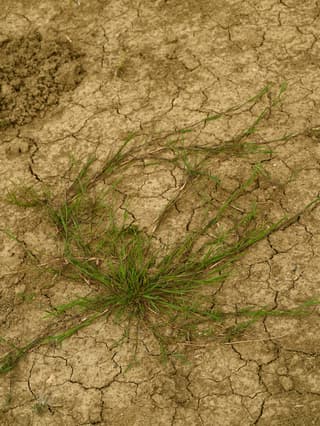
| Creeping bentgrass | Hard | Direct sun | 3d | ✓ |
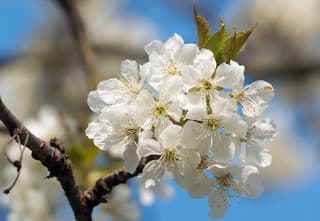
| Sour Cherry | Medium | Direct sun | 10d | ⚠️ |
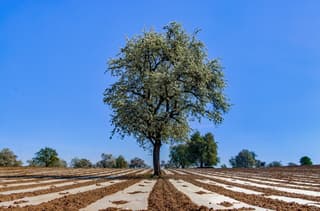
| Pear | Medium | Direct sun | 7d | ✓ |
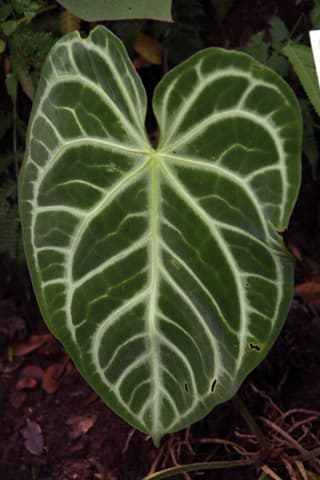
| Crystal Anthurium | Hard | Partial shade | 7d | ⚠️ |