Orchidaceae
Virot's Dendrobium – Rare New Caledonian Orchid
Dendrobium virotii
As a warm-growing epiphyte from tropical New Caledonia, Virot's Dendrobium requires bright indirect light, high humidity (50–70%), and excellent air circulation around its roots. Water generously during the growing season (spring through early autumn) and reduce in winter. Use a free-draining orchid bark mix or sphagnum moss. Fertilize lightly every two weeks during active growth.
Every 7 days
Partial shade
15° - 30°C
50% - 70%
Categories
What is Virot's Dendrobium?
Virot's Dendrobium (Dendrobium virotii) is a hard-care plant from the Orchidaceae family. Dendrobium virotii is a rare endemic orchid from New Caledonia, first described by Guillaumin in 1941. A medium-sized epiphyte, it grows on tree trunks in montane rainforests and scrubland at elevations from sea level to 1,000 meters. Its slightly zigzag, branching stems carry elliptic, clasping lea...
Virot's Dendrobium grows up to 60cm, spread of 40cm, watering every 7 days, 15°C – 30°C, 50–70% humidity. It is suitable for indoor environments and safe for pets.
Unlike easy-care plants, Virot's Dendrobium demands constant attention to humidity and light. Not recommended for beginners. Unlike many popular species, Virot's Dendrobium is safe to keep around pets. Without adequate drainage, root rot can develop within 14 days.
How to Care for Virot's Dendrobium?
TLDR: Virot's Dendrobium needs Partial shade, watering every 7 days, and temperatures between 15-30°C with 50-70% humidity.
How Often Should You Water Virot's Dendrobium?
Water every 7 days during the growing season, allowing the potting medium to approach dryness between waterings. Reduce watering significantly in winter to mimic seasonal dry periods. Always use rainwater or distilled water and water in the morning.
How Much Light Does Virot's Dendrobium Need?
Provide bright, filtered light — an east-facing window or shaded greenhouse bench is ideal. Avoid direct midday sun, which can scorch leaves. The plant tolerates 10,000–30,000 lux of indirect light.
What Is the Best Soil for Virot's Dendrobium?
Use a coarse, free-draining orchid medium such as medium-grade bark, perlite, or New Zealand sphagnum moss. Never use standard potting soil; excellent drainage and aeration are essential for healthy roots.
What Pot Should You Use for Virot's Dendrobium?
Slatted wooden basket or clear plastic orchid pot with drainage holes, to allow root aeration and moisture monitoring.
Care Schedule
Fertilize
Every 14 days
Misting
Every 2 days
Repot
Every 730 days
What Is Virot's Dendrobium and Where Does It Come From?
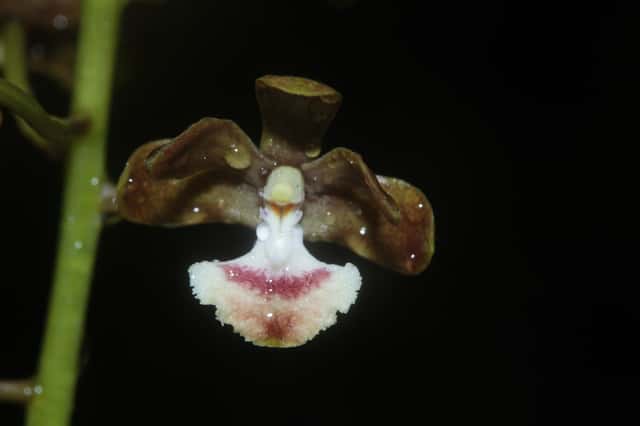
Dendrobium virotii is a rare endemic orchid from New Caledonia, first described by Guillaumin in 1941. A medium-sized epiphyte, it grows on tree trunks in montane rainforests and scrubland at elevations from sea level to 1,000 meters. Its slightly zigzag, branching stems carry elliptic, clasping leaves, and in late spring it produces small racemes of 6 to 22 delicate flowers.
How to Propagate Virot's Dendrobium?
Clump Division
Divide only in spring at the start of active growth. Avoid dividing stressed plants.
- 1 Wait until the plant has at least 6–8 canes before dividing.
- 2 Gently remove the plant from its pot and shake away loose media.
- 3 Using a sterilized blade, divide the rhizome so each section retains 3–4 canes.
- 4 Dust cut surfaces with cinnamon or powdered sulphur to prevent infection.
- 5 Pot each division in fresh orchid bark and keep in a warm, humid spot until new growth appears.
Materials needed:
How Big Does Virot's Dendrobium Grow?
TLDR: Virot's Dendrobium can reach up to 60cm tall with Slow growth rate.
Max height
60cm
Spread
40cm
Growth rate
Slow
Foliage
Evergreen
Plant Uses
Ornamental
Great for decoration
Is your plant showing symptoms?
Click on the symptom to discover possible causes:
What Diseases Commonly Affect Virot's Dendrobium?
TLDR: Virot's Dendrobium is susceptible to 12 known diseases. Monitor regularly for early detection.
Root Rot
Root rot is a serious fungal disease that affects the root system of plants, causing them to decay and die. It is primarily caused by overwatering, poor drainage, or soil-borne fungi such as Pythium, Phytophthora, Rhizoctonia, and Fusarium. The disease thrives in waterlogged conditions where roots are deprived of oxygen, making them susceptible to fungal infection.
Phytophthora Root Rot
Disease caused by fungus-like organisms (oomycetes) that live in soil and can survive for years. It affects roots, stem, and crown of plants, being especially severe in waterlogged or poorly drained soils. It is the second most common cause of root rot in trees and shrubs.
Overwatering
Overwatering occurs when plants receive too much water, depriving roots of oxygen and causing root rot. This environmental stress is one of the most common causes of houseplant death, as waterlogged soil prevents roots from breathing and functioning properly.
Leaf Spot
Leaf spot is a common fungal disease caused by various pathogens including Alternaria, Ascochyta, Colletotrichum, Septoria, and Venturia. It primarily affects leaves, causing discolored spots that can lead to premature leaf drop if left untreated.
Meaning & Symbolism
A symbol of rarity and botanical discovery, prized by collectors for its endemism to the island of New Caledonia.
Fun Facts
Dendrobium virotii is classified as a type species for the section Dendrobates within the genus Dendrobium.
It grows as an epiphyte on tree trunks in New Caledonia's montane rainforests at elevations up to 1,000 m.
The flowers are tiny — only about 7 mm across — yet appear in clusters of up to 22 blooms per inflorescence.
New Caledonia hosts one of the world's highest concentrations of endemic plant species, and this orchid is one of them.
Frequently asked questions
How often should I water Virot's Dendrobium?
What light does Dendrobium virotii need?
Why are my Dendrobium virotii leaves yellowing?
Is Virot's Dendrobium difficult to grow?
How do I encourage Dendrobium virotii to flower?
Compare with similar plants
| Attribute | Difficulty | Light | Watering | Pet Safe |
|---|---|---|---|---|
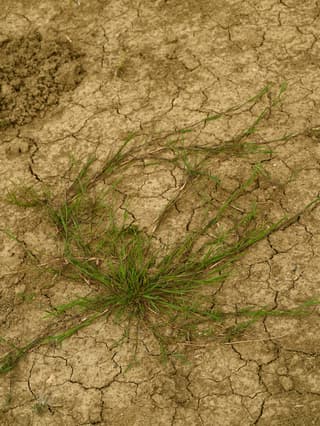
| Creeping bentgrass | Hard | Direct sun | 3d | ✓ |
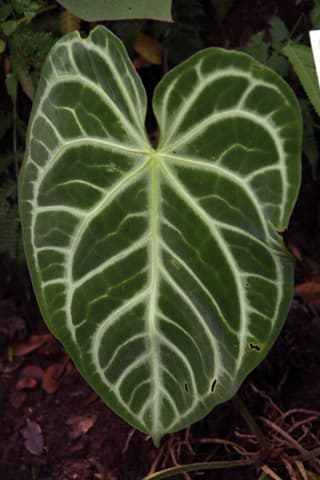
| Crystal Anthurium | Hard | Partial shade | 7d | ⚠️ |
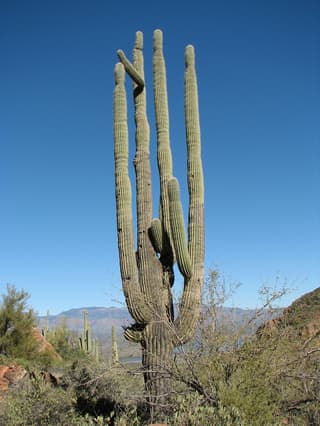
| Saguaro | Hard | Direct sun | 21d | ✓ |
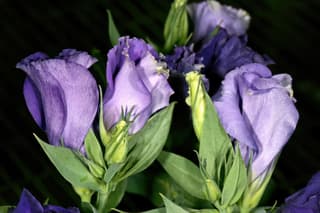
| Lisianthus | Hard | Bright indirect | 7d | ✓ |