Scrophulariaceae
Twinspur (Diascia spp) - Care Guide & Growing Tips
Diascia spp
Twinspur is an easy-care flowering plant that thrives in full sun with well-draining soil. Water regularly but allow the top soil layer to dry between waterings. Deadhead spent blooms and trim back after the first flush to encourage continued flowering through the season. Fertilize lightly every 30 days during the growing season.
Every 5 days
Bright indirect
2° - 28°C
40% - 70%
Categories
What is Twinspur?
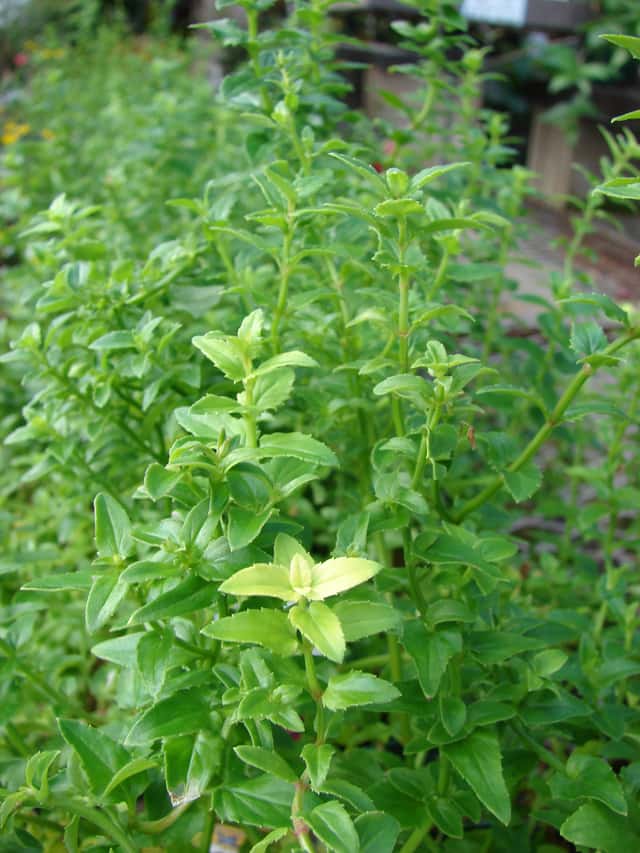
Twinspur (Diascia spp) is a easy-care plant from the Scrophulariaceae family. Diascia, commonly known as Twinspur, is a genus of around 70 species of herbaceous annual and perennial flowering plants native to South Africa, belonging to the family Scrophulariaceae. These charming low-growing plants are celebrated for their dainty, spurred flowers in shades of pink, red, orange...
Twinspur grows up to 45cm, with spread of 60cm, watering every 5 days, 2°C – 28°C, 40–70% humidity. It is not suitable for indoor environments and safe for pets.
Unlike many tropical plants, Twinspur tolerates watering mistakes. Best for beginners. Unlike many popular species, Twinspur is safe to keep around pets.
How to Care for Twinspur?
TLDR: Twinspur needs Bright indirect, watering every 5 days, and temperatures between 2-28°C with 40-70% humidity.
How Often Should You Water Twinspur?
Water every 4-6 days, keeping soil consistently moist but never waterlogged. Allow the top few centimetres to dry out between waterings. Reduce watering in winter when the plant is less active.
How Much Light Does Twinspur Need?
Diascia thrives in full sun, requiring at least 6 hours of direct sunlight daily for abundant flowering. In hotter climates (zones 9-11), provide afternoon shade to protect from intense heat. Insufficient light results in leggy growth and few flowers.
What Is the Best Soil for Twinspur?
Plant in well-draining, moderately fertile loamy soil with a slightly acidic pH of 6.0-6.5. Amend heavy soils with organic compost or grit to improve drainage. Avoid waterlogged or compacted soils which lead to root rot.
What Pot Should You Use for Twinspur?
Use terracotta or clay pots with drainage holes for container growing. Hanging baskets and window boxes are ideal for trailing varieties. Ensure containers have good drainage to prevent waterlogging.
Care Schedule
Fertilize
Every 30 days
Repot
Every 365 days
What Is Twinspur and Where Does It Come From?
Diascia, commonly known as Twinspur, is a genus of around 70 species of herbaceous annual and perennial flowering plants native to South Africa, belonging to the family Scrophulariaceae. These charming low-growing plants are celebrated for their dainty, spurred flowers in shades of pink, red, orange, and white, blooming prolifically from spring through autumn. They thrive in well-draining soil with full sun and are popular in garden borders, hanging baskets, and containers.
How to Propagate Twinspur?
Softwood Stem Cutting
Use clean, sharp scissors. Maintain consistent moisture without waterlogging. Cuttings root readily in late summer.
- 1 Take an 8cm softwood cutting from a non-flowering shoot in late summer
- 2 Remove lower leaves, keeping only the top pair
- 3 Insert into moist, well-draining cutting compost
- 4 Keep in a warm, bright spot out of direct sun
- 5 Pot individually once rooted and overwinter in a frost-free place
Materials needed:
Seed Propagation
Surface sow seeds as they need light to germinate. Maintain consistent warmth for best germination rates.
- 1 Sow seeds on seed-sowing compost in early spring at 15-18°C
- 2 Cover very lightly with vermiculite
- 3 Keep in a warm, bright location out of direct sunlight
- 4 Transplant seedlings to small pots once large enough to handle
- 5 Harden off and plant out in early summer after last frost
Materials needed:
How Big Does Twinspur Grow?
TLDR: Twinspur can reach up to 45cm tall with Fast growth rate.
Max height
45cm
Spread
60cm
Growth rate
Fast
Foliage
Semi-evergreen
Plant Uses
Ornamental
Great for decoration
Ground Cover
Soil coverage
Is your plant showing symptoms?
Click on the symptom to discover possible causes:
What Diseases Commonly Affect Twinspur?
TLDR: Twinspur is susceptible to 5 known diseases. Monitor regularly for early detection.
Powdery Mildew
Powdery mildew is a common fungal disease caused by various fungi species including Erysiphe, Podosphaera, Oïdium, and Leveillula. It affects over 10,000 plant species worldwide. The disease thrives in warm, dry climates with high humidity and appears as a distinctive white powdery coating on plant surfaces.
Root Rot
Root rot is a serious fungal disease that affects the root system of plants, causing them to decay and die. It is primarily caused by overwatering, poor drainage, or soil-borne fungi such as Pythium, Phytophthora, Rhizoctonia, and Fusarium. The disease thrives in waterlogged conditions where roots are deprived of oxygen, making them susceptible to fungal infection.
Aphids
Aphids are small, soft-bodied, pear-shaped insects (1/16 to 1/8 inch long) that feed by sucking nutrient-rich sap from plants. They reproduce rapidly and can quickly weaken plants, causing distorted growth and transmitting plant viruses. Aphids come in various colors including green, black, red, yellow, brown, and gray. They secrete honeydew, a sticky substance that attracts ants and encourages sooty mold growth.
Slugs and Snails
Slugs and snails are mollusks that feed on plant tissue, causing irregular holes in leaves and damage to young seedlings. They are most active at night and in moist conditions, leaving characteristic silvery slime trails. These pests can quickly devastate gardens, especially during wet seasons.
Meaning & Symbolism
Twinspur symbolizes grace, delicacy, and cheerfulness, evoking the natural beauty of South African landscapes.
Fun Facts
There are around 70 species of Diascia, all native to South Africa.
The name Twinspur refers to the two distinctive nectar spurs on each flower.
Diascia blooms are pollinated by specific oil-collecting bees (Rediviva species) uniquely adapted to reach the floral spurs.
Some Diascia varieties bloom continuously for over 6 months from late spring to the first autumn frosts.
Frequently asked questions
How often should I water Twinspur?
Does Twinspur need full sun?
Is Twinspur toxic to pets?
How do I encourage more blooms on my Twinspur?
Can Twinspur survive frost?
Compare with similar plants
| Attribute | Difficulty | Light | Watering | Pet Safe |
|---|---|---|---|---|
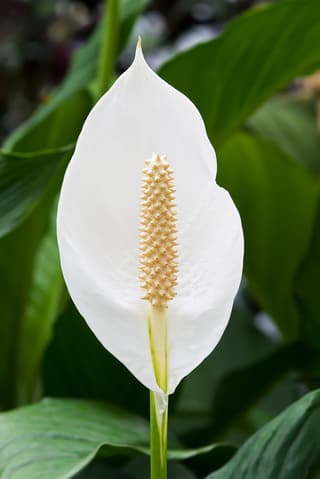
| Peace Lily | Easy | Low light | 4d | ⚠️ |
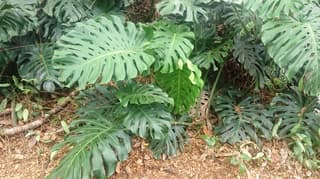
| Swiss Cheese Plant | Easy | Partial shade | 10d | ⚠️ |
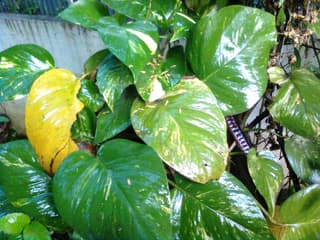
| Golden Pothos | Easy | Low light | 8d | ⚠️ |
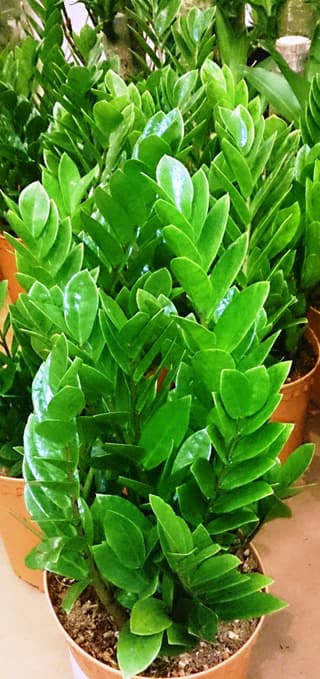
| ZZ Plant | Easy | Low light | 18d | ⚠️ |