Cactaceae
Drooping Prickly Pear (Opuntia monacantha)
Opuntia monacantha
An extremely low-maintenance cactus: water only when soil is bone dry, provide full direct sun, and use well-draining cactus mix. Avoid overwatering especially in winter. Fertilize monthly in spring and summer.
Every 21 days
Direct sun
4° - 38°C
10% - 40%
Categories
What is Drooping Prickly Pear?
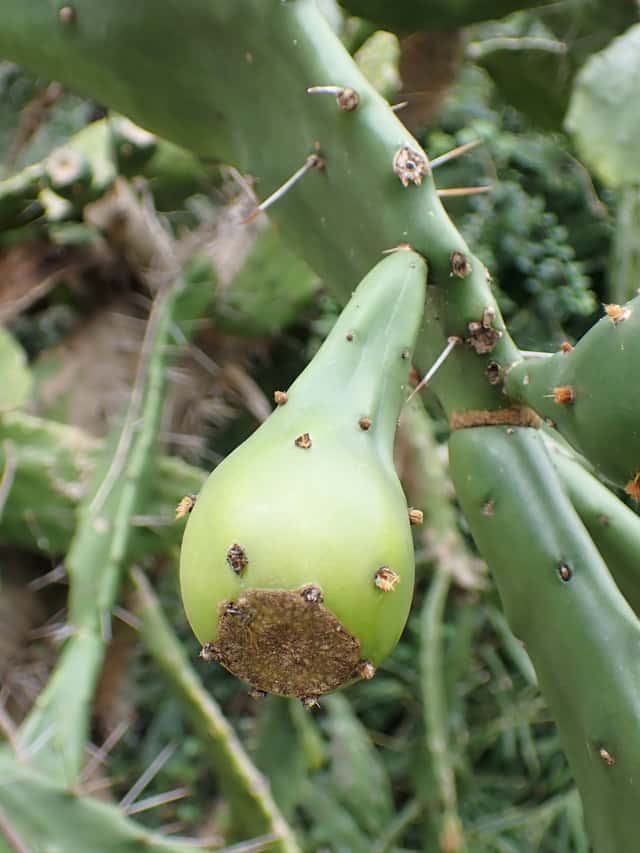
Drooping Prickly Pear (Opuntia monacantha) is a easy-care plant from the Cactaceae family. Opuntia monacantha, commonly known as the Drooping Prickly Pear, is a cactus native to South America (Brazil, Argentina, Uruguay, and Paraguay). It features flat, bright-green pads with yellow flowers and colorful edible fruits. A tough, drought-tolerant species, it thrives in full sun and well-drai...
Drooping Prickly Pear grows up to 6.0m, spread of 150cm, watering every 21 days, 4°C – 38°C, 10–40% humidity. It is suitable for indoor environments and safe for pets.
Unlike many tropical plants, Drooping Prickly Pear tolerates watering mistakes. Best for beginners. Unlike many popular species, Drooping Prickly Pear is safe to keep around pets. Without adequate drainage, root rot can develop within 42 days.
How to Care for Drooping Prickly Pear?
TLDR: Drooping Prickly Pear needs Direct sun, watering every 21 days, and temperatures between 4-38°C with 10-40% humidity.
How Often Should You Water Drooping Prickly Pear?
Water every 2-3 weeks during the growing season, allowing soil to dry completely between waterings. In winter, reduce to once a month or less. Never let water pool at the base.
How Much Light Does Drooping Prickly Pear Need?
Needs 6-8 hours of direct sunlight daily. Outdoors in full sun is ideal. Indoors, place at the sunniest south-facing window available.
What Is the Best Soil for Drooping Prickly Pear?
Use a well-draining cactus and succulent mix. Add coarse sand or perlite for extra drainage. Ensure pots have drainage holes to prevent root rot.
What Pot Should You Use for Drooping Prickly Pear?
Terracotta or ceramic pot with drainage holes. Choose a wide, shallow container since roots are shallow. Avoid deep pots.
Care Schedule
Fertilize
Every 30 days
Repot
Every 730 days
What Is Drooping Prickly Pear and Where Does It Come From?
Opuntia monacantha, commonly known as the Drooping Prickly Pear, is a cactus native to South America (Brazil, Argentina, Uruguay, and Paraguay). It features flat, bright-green pads with yellow flowers and colorful edible fruits. A tough, drought-tolerant species, it thrives in full sun and well-draining sandy soil, making it an excellent choice for low-maintenance gardens and sunny interiors.
How Big Does Drooping Prickly Pear Grow?
TLDR: Drooping Prickly Pear can reach up to 6.0m tall with Medium growth rate.
Max height
6.0m
Spread
1.5m
Growth rate
Medium
Foliage
Evergreen
Plant Uses
Ornamental
Great for decoration
Edible
Can be consumed
Culinary Uses
- The fruits (tunas) are sweet and edible, enjoyed fresh or made into jams and juices
- Young pads (nopalitos) are edible after thorough spine removal
Is your plant showing symptoms?
Click on the symptom to discover possible causes:
What Diseases Commonly Affect Drooping Prickly Pear?
TLDR: Drooping Prickly Pear is susceptible to 7 known diseases. Monitor regularly for early detection.
Root Rot
Root rot is a serious fungal disease that affects the root system of plants, causing them to decay and die. It is primarily caused by overwatering, poor drainage, or soil-borne fungi such as Pythium, Phytophthora, Rhizoctonia, and Fusarium. The disease thrives in waterlogged conditions where roots are deprived of oxygen, making them susceptible to fungal infection.
Crown Rot
Crown rot is a serious fungal disease that attacks the crown (base) of the plant where the stem meets the soil. It is caused by various fungal pathogens including Phytophthora, Fusarium, and Rhizoctonia. The disease thrives in waterlogged conditions and can quickly spread to kill the entire plant if not addressed promptly.
Mealybugs
Mealybugs are small, soft-bodied insects covered with a white, waxy, cottony material. They are common pests of houseplants and outdoor plants in mild climates. These sap-sucking insects feed on plant tissue, causing damage, stunted growth, and can lead to plant death if left untreated. They produce sticky honeydew which attracts sooty mold.
Aphids
Aphids are small, soft-bodied, pear-shaped insects (1/16 to 1/8 inch long) that feed by sucking nutrient-rich sap from plants. They reproduce rapidly and can quickly weaken plants, causing distorted growth and transmitting plant viruses. Aphids come in various colors including green, black, red, yellow, brown, and gray. They secrete honeydew, a sticky substance that attracts ants and encourages sooty mold growth.
Fun Facts
One of the few cactus species native to South America
Its fruits are a vital food source for birds and wildlife
The monstrose form (f. monstrose) is prized by collectors for its sculptural growth
Can live for decades with minimal care
Frequently asked questions
How often should I water Drooping Prickly Pear?
Can Opuntia monacantha grow indoors?
Are the fruits of Opuntia monacantha edible?
Compare with similar plants
| Attribute | Difficulty | Light | Watering | Pet Safe |
|---|---|---|---|---|
| Field Maple | Easy | Bright indirect | 14d | ✓ |
| Silver Birch | Easy | Direct sun | 14d | ✓ |
| Cushion Bush | Easy | Direct sun | 14d | ✓ |
| Peruvian peppertree | Easy | Direct sun | 14d | ⚠️ |