Paulowniaceae
Empress Tree (Paulownia tomentosa): Complete Growing Guide
Paulownia tomentosa
Plant in full sun with well-draining soil. Water weekly for the first few years; established trees are drought tolerant. Fertilize every 2 months in spring. Prune annually to control size.
Every 7 days
Direct sun
-25° - 38°C
40% - 70%
Categories
What is Empress Tree?
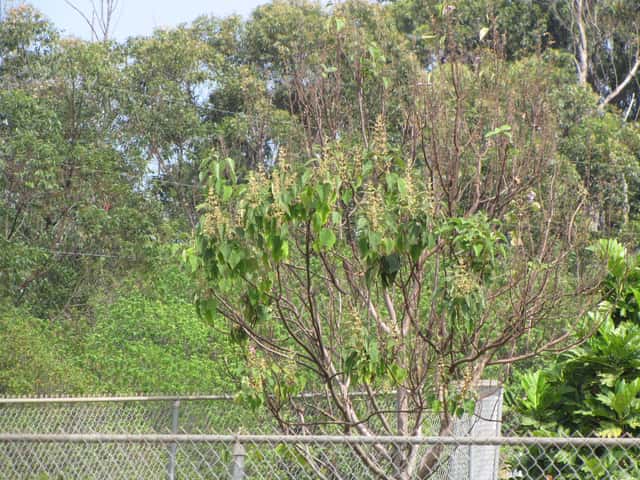
Empress Tree (Paulownia tomentosa) is a easy-care plant from the Paulowniaceae family. Paulownia tomentosa, known as the Empress Tree or Princess Tree, is an extraordinarily fast-growing deciduous tree native to central and eastern China. It produces stunning clusters of fragrant lavender-purple foxglove-like flowers in early spring before the leaves emerge, making it one of the most...
Empress Tree grows up to 15.0m, with spread of 900cm, watering every 7 days, -25°C – 38°C, 40–70% humidity. It is not suitable for indoor environments and safe for pets.
Unlike many tropical plants, Empress Tree tolerates watering mistakes. Best for beginners. Unlike many popular species, Empress Tree is safe to keep around pets.
How to Care for Empress Tree?
TLDR: Empress Tree needs Direct sun, watering every 7 days, and temperatures between -25-38°C with 40-70% humidity.
How Often Should You Water Empress Tree?
Water deeply once a week during the first 2-3 years of establishment. Mature trees are drought tolerant but benefit from supplemental watering during extended dry periods. Avoid waterlogged soil conditions.
How Much Light Does Empress Tree Need?
Requires full sun with at least 6 hours of direct sunlight daily for best flowering. Tolerates partial shade but produces fewer blooms. Choose a sheltered spot protected from strong winds.
What Is the Best Soil for Empress Tree?
Prefers well-draining, organically rich soil ranging from sandy to loamy. pH between 5.5 and 7.5. Avoid heavy clay soils with poor drainage to prevent root rot.
What Pot Should You Use for Empress Tree?
Large ceramic pot or directly in garden soil. For container growing, use a minimum 15-gallon pot with generous drainage holes.
Care Schedule
Fertilize
Every 60 days
What Is Empress Tree and Where Does It Come From?
Paulownia tomentosa, known as the Empress Tree or Princess Tree, is an extraordinarily fast-growing deciduous tree native to central and eastern China. It produces stunning clusters of fragrant lavender-purple foxglove-like flowers in early spring before the leaves emerge, making it one of the most visually dramatic ornamental trees in the world.
How to Propagate Empress Tree?
Seed Propagation
Seeds are tiny and light-dependent for germination; do not cover with soil. Keep substrate lightly moist and maintain temperature between 68-77°F (20-25°C).
- 1 Collect mature seeds from dried capsules in autumn
- 2 Cold stratify seeds for 4-6 weeks in the refrigerator
- 3 Sow seeds on the surface of moist well-draining seed mix
- 4 Keep in a bright warm location until germination
- 5 Transplant seedlings when 4-6 inches tall
Materials needed:
Root Cutting
Use roots at least 0.4 inches in diameter. Keep substrate lightly moist, not waterlogged.
- 1 Take 2-4 inch root cuttings in winter when tree is dormant
- 2 Bury horizontally in moist sandy substrate
- 3 Keep in a warm location (64-72°F)
- 4 Wait for shoots and root development
- 5 Transplant when shoots reach 4 inches
Materials needed:
How Big Does Empress Tree Grow?
TLDR: Empress Tree can reach up to 15.0m tall with Fast growth rate.
Max height
15.0m
Spread
9.0m
Growth rate
Fast
Foliage
Deciduous
Plant Uses
Ornamental
Great for decoration
Medicinal
Medicinal properties
Medicinal Uses
- Leaves and bark used in traditional Chinese medicine to treat inflammatory bronchitis, tonsillitis, asthma, and hypertension. Studies confirm anti-inflammatory and antioxidant properties.
Culinary Uses
- Flowers are edible and can be used in salads or as garnishes. Young flowers are consumed in some regions of Asia.
Is your plant showing symptoms?
Click on the symptom to discover possible causes:
What Diseases Commonly Affect Empress Tree?
TLDR: Empress Tree is susceptible to 6 known diseases. Monitor regularly for early detection.
Anthracnose
Anthracnose is a fungal disease caused by fungi in the genus Colletotrichum that affects many plants, including vegetables, fruits, and trees. The disease thrives in cool, wet conditions, causing dark, sunken lesions on leaves, stems, flowers, and fruits.
Phytophthora Root Rot
Disease caused by fungus-like organisms (oomycetes) that live in soil and can survive for years. It affects roots, stem, and crown of plants, being especially severe in waterlogged or poorly drained soils. It is the second most common cause of root rot in trees and shrubs.
Root Rot
Root rot is a serious fungal disease that affects the root system of plants, causing them to decay and die. It is primarily caused by overwatering, poor drainage, or soil-borne fungi such as Pythium, Phytophthora, Rhizoctonia, and Fusarium. The disease thrives in waterlogged conditions where roots are deprived of oxygen, making them susceptible to fungal infection.
Powdery Mildew
Powdery mildew is a common fungal disease caused by various fungi species including Erysiphe, Podosphaera, Oïdium, and Leveillula. It affects over 10,000 plant species worldwide. The disease thrives in warm, dry climates with high humidity and appears as a distinctive white powdery coating on plant surfaces.
Meaning & Symbolism
In Japan, the paulownia flower is the official symbol of the Prime Minister and the Government of Japan, representing dignity and prosperity. It also appears on the 500-yen coin. In Chinese culture, it symbolizes good fortune.
Fun Facts
It is considered the world's fastest-growing tree, capable of adding up to 15 feet of height in a single growing season.
Paulownia wood is lighter than most hardwoods yet remarkably strong, making it ideal for musical instruments, furniture, and aircraft construction.
In Japan, it is a tradition to plant a paulownia when a daughter is born and use its wood to make a hope chest on her wedding day.
Each seed capsule can contain up to 2,000 tiny winged seeds that can be dispersed by wind across great distances.
Frequently asked questions
How often should I water the Empress Tree?
Is Paulownia tomentosa toxic to pets?
When does the Empress Tree bloom?
Can I grow an Empress Tree in a container?
How fast does the Empress Tree grow?
Compare with similar plants
| Attribute | Difficulty | Light | Watering | Pet Safe |
|---|---|---|---|---|
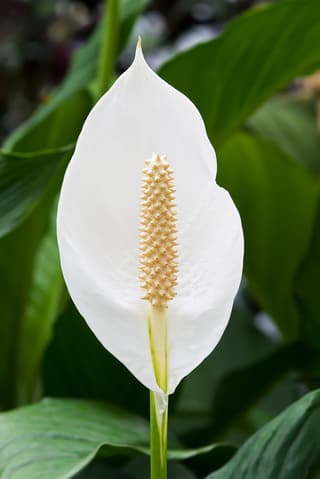
| Peace Lily | Easy | Low light | 4d | ⚠️ |
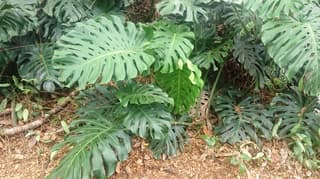
| Swiss Cheese Plant | Easy | Partial shade | 10d | ⚠️ |
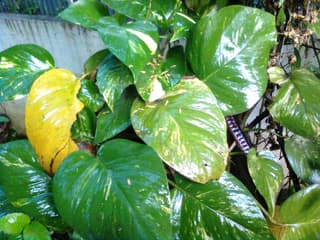
| Golden Pothos | Easy | Low light | 8d | ⚠️ |
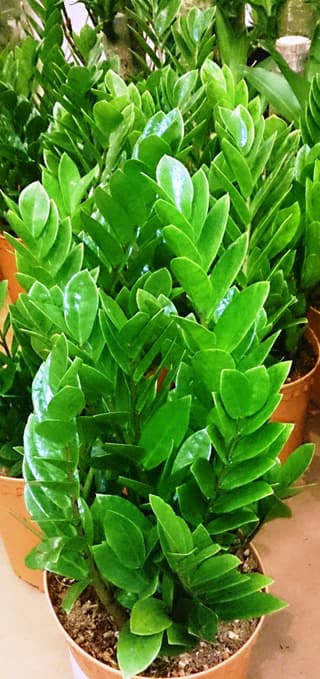
| ZZ Plant | Easy | Low light | 18d | ⚠️ |