Cupressaceae
Flaky Juniper – Juniperus squamata Care Guide
Juniperus squamata
Flaky Juniper is a low-maintenance, drought-tolerant shrub that thrives in full sun. Water deeply but infrequently, allowing soil to dry between sessions. No misting needed. Fertilize lightly in spring. Prune only to shape.
Every 14 days
Direct sun
-35° - 40°C
30% - 60%
Categories
What is Flaky Juniper?
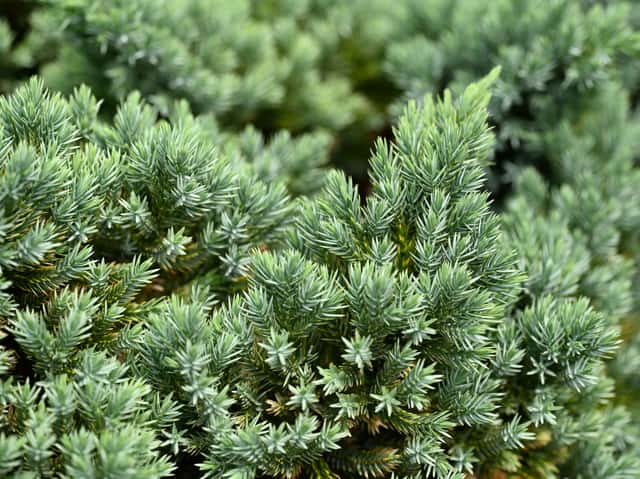
Flaky Juniper (Juniperus squamata) is a easy-care plant from the Cupressaceae family. Juniperus squamata, commonly known as Flaky Juniper or Himalayan Juniper, is a low-growing coniferous shrub native to the mountain ranges of the Himalayas, China, and Taiwan. Its most popular cultivar, 'Blue Star', is prized for its striking blue-gray needle-like foliage and compact mounding form, m...
Flaky Juniper grows up to 90cm, spread of 120cm, watering every 14 days, -35°C – 40°C, 30–60% humidity. It is not suitable for indoor environments and not safe for pets.
Unlike many tropical plants, Flaky Juniper tolerates watering mistakes. Best for beginners. Without precautions, ingestion can cause irritation in pets. Keep out of reach of cats and dogs.
How to Care for Flaky Juniper?
TLDR: Flaky Juniper needs Direct sun, watering every 14 days, and temperatures between -35-40°C with 30-60% humidity.
How Often Should You Water Flaky Juniper?
Water deeply every 10–14 days during the growing season; reduce to monthly in winter. Avoid overwatering — soggy soil causes root rot. Once established, it is very drought-tolerant.
How Much Light Does Flaky Juniper Need?
Place in full sun (minimum 6 hours of direct sunlight daily). Insufficient light leads to sparse, leggy growth and increased disease susceptibility.
What Is the Best Soil for Flaky Juniper?
Use well-draining sandy or loamy soil. Avoid clay-heavy or waterlogged soils. A slightly acidic to neutral pH of 6.0–8.0 is ideal. Raised beds or rocky soils work well.
What Pot Should You Use for Flaky Juniper?
Terracotta or unglazed clay pots that allow moisture evaporation; excellent drainage holes are essential. For landscape use, raised beds or rocky slopes are ideal.
Care Schedule
Fertilize
Every 90 days
What Is Flaky Juniper and Where Does It Come From?
Juniperus squamata, commonly known as Flaky Juniper or Himalayan Juniper, is a low-growing coniferous shrub native to the mountain ranges of the Himalayas, China, and Taiwan. Its most popular cultivar, 'Blue Star', is prized for its striking blue-gray needle-like foliage and compact mounding form, making it a staple in rock gardens, foundation plantings, and landscape designs.
How to Propagate Flaky Juniper?
Seed propagation
Seed germination is slow and unreliable. Semi-hardwood cuttings are much more dependable.
- 1 Collect seeds from ripe cones in late summer
- 2 Cold-stratify seeds for 60-90 days in the refrigerator
- 3 Sow in well-draining seed mix and keep moist
- 4 Germination occurs in spring once temperatures warm
Materials needed:
Semi-hardwood cutting
Mist lightly to maintain humidity but avoid soggy medium. Rooting can be slow — patience is key.
- 1 Take 10–15 cm cuttings from semi-hardwood growth in late spring to early summer
- 2 Remove needles from the lower third
- 3 Dip base in rooting hormone powder
- 4 Insert into gritty, well-draining rooting medium
- 5 Keep in a humid environment out of direct sun until rooted
Materials needed:
How Big Does Flaky Juniper Grow?
TLDR: Flaky Juniper can reach up to 90cm tall with Slow growth rate.
Max height
90cm
Spread
1.2m
Growth rate
Slow
Foliage
Evergreen
Warning: Toxic Plant
This plant can be toxic if ingested. Keep out of reach of:
Plant Uses
Ornamental
Great for decoration
Ground Cover
Soil coverage
Is your plant showing symptoms?
Click on the symptom to discover possible causes:
What Diseases Commonly Affect Flaky Juniper?
TLDR: Flaky Juniper is susceptible to 6 known diseases. Monitor regularly for early detection.
Root Rot
Root rot is a serious fungal disease that affects the root system of plants, causing them to decay and die. It is primarily caused by overwatering, poor drainage, or soil-borne fungi such as Pythium, Phytophthora, Rhizoctonia, and Fusarium. The disease thrives in waterlogged conditions where roots are deprived of oxygen, making them susceptible to fungal infection.
Spider Mites
Spider mites are tiny arachnids (less than 1/20 inch long) related to spiders and ticks that feed on plant sap. They thrive in hot, dry conditions and can cause significant damage to ornamental and vegetable plants. During severe infestations, crop losses can reach 14% or higher as these pests disrupt vital plant processes including photosynthesis, carbon dioxide absorption, and transpiration.
Aphids
Aphids are small, soft-bodied, pear-shaped insects (1/16 to 1/8 inch long) that feed by sucking nutrient-rich sap from plants. They reproduce rapidly and can quickly weaken plants, causing distorted growth and transmitting plant viruses. Aphids come in various colors including green, black, red, yellow, brown, and gray. They secrete honeydew, a sticky substance that attracts ants and encourages sooty mold growth.
Scale Insects
Scale insects are small sap-sucking pests that appear as brown, shell-like bumps on plant stems and leaves. There are over 25 species, divided into armored (hard) and unarmored (soft) scales. They feed by piercing plant tissue and extracting sap, which weakens the plant and can lead to yellowing, stunted growth, and even death if left untreated. They also excrete honeydew, which attracts ants and promotes sooty mold growth.
Meaning & Symbolism
In many Asian cultures, juniper symbolizes longevity, resilience, and protection. Its ability to thrive in harsh mountain conditions represents endurance and strength.
Fun Facts
The 'Blue Star' cultivar is one of the most popular ornamental conifers in the world, prized for its intense silvery-blue color
Juniperus squamata is native to elevations above 1,500 meters in the Himalayas — it is one of the hardiest junipers in existence
Unlike most ornamental shrubs, it can withstand temperatures as low as -35°C, making it suitable for USDA zones 4 through 8
The tiny, scale-like berries are technically seed cones, not true berries
Frequently asked questions
How often should I water Flaky Juniper?
Can Flaky Juniper tolerate shade?
Is Juniperus squamata toxic to pets?
Why is my Blue Star Juniper turning brown?
How fast does Flaky Juniper grow?
Compare with similar plants
| Attribute | Difficulty | Light | Watering | Pet Safe |
|---|---|---|---|---|
| Field Maple | Easy | Bright indirect | 14d | ✓ |
| Silver Birch | Easy | Direct sun | 14d | ✓ |
| Cushion Bush | Easy | Direct sun | 14d | ✓ |
| Peruvian peppertree | Easy | Direct sun | 14d | ⚠️ |





