Cupressaceae
Creeping Juniper — Hardy Groundcover Conifer
Juniperus horizontalis
Creeping Juniper is exceptionally low-maintenance once established. Plant in full sun with excellent drainage. Water deeply but infrequently; established plants rarely need supplemental irrigation. Fertilize once a year in spring. Prune lightly to shape or remove dead wood annually.
Every 14 days
Direct sun
-35° - 35°C
30% - 60%
Categories
What is Creeping Juniper?
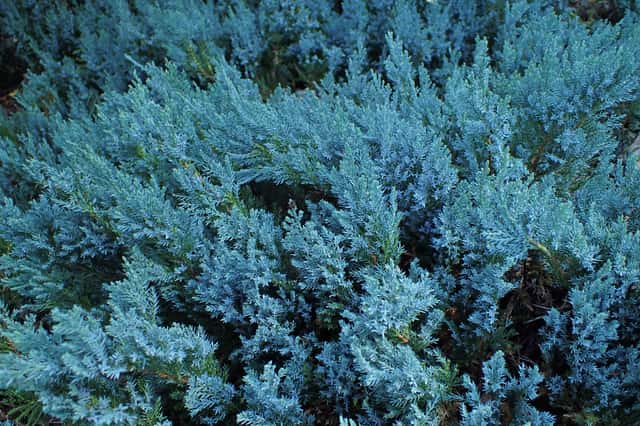
Creeping Juniper (Juniperus horizontalis) is a easy-care plant from the Cupressaceae family. Juniperus horizontalis, commonly known as Creeping Juniper, is a hardy, low-spreading evergreen conifer native to North America. It forms a dense mat of blue-green to silver-blue foliage that hugs the ground, making it an outstanding groundcover for slopes, rock gardens, and open landscapes. Highly...
Creeping Juniper grows up to 45cm, spread of 240cm, watering every 14 days, -35°C – 35°C, 30–60% humidity. It is not suitable for indoor environments and not safe for pets.
Unlike many tropical plants, Creeping Juniper tolerates watering mistakes. Best for beginners. Without precautions, ingestion can cause irritation in pets. Keep out of reach of cats and dogs.
How to Care for Creeping Juniper?
TLDR: Creeping Juniper needs Direct sun, watering every 14 days, and temperatures between -35-35°C with 30-60% humidity.
How Often Should You Water Creeping Juniper?
Water young plants deeply once every 2 weeks. Once fully established (after 1–2 years), Creeping Juniper is highly drought-tolerant and rarely needs watering except during prolonged dry spells.
How Much Light Does Creeping Juniper Need?
Requires at least 6 hours of direct full sun daily. Inadequate light leads to sparse, open growth and loss of foliage color. Avoid planting in shade.
What Is the Best Soil for Creeping Juniper?
Thrives in well-draining sandy or loamy soils. Tolerates clay, chalk, and rocky soils but must never sit in waterlogged conditions. Prefers a soil pH between 5.0 and 8.0.
What Pot Should You Use for Creeping Juniper?
Planted directly in the ground; not typically grown in containers. For raised beds or large planters, use a wide, shallow container with excellent drainage holes.
Care Schedule
Fertilize
Every 90 days
Misting
Every 3 days
Rotate
Every 7 days
Repot
Every 365 days
What Is Creeping Juniper and Where Does It Come From?
Juniperus horizontalis, commonly known as Creeping Juniper, is a hardy, low-spreading evergreen conifer native to North America. It forms a dense mat of blue-green to silver-blue foliage that hugs the ground, making it an outstanding groundcover for slopes, rock gardens, and open landscapes. Highly tolerant of cold, drought, salt, and poor soils, it is one of the most versatile and resilient conifers for temperate gardens.
How to Propagate Creeping Juniper?
Semi-hardwood cutting
Use clean, sharp tools to prevent disease. Mist lightly if the environment is very dry. Rooting can be slow — be patient.
- 1 Take 10–15 cm semi-hardwood cuttings in mid-summer
- 2 Remove needles from the bottom third of the cutting
- 3 Dip the cut end in rooting hormone powder
- 4 Insert into a moist, free-draining propagation mix
- 5 Keep in indirect light and maintain moisture until rooted
Materials needed:
How Big Does Creeping Juniper Grow?
TLDR: Creeping Juniper can reach up to 45cm tall with Slow growth rate.
Max height
45cm
Spread
2.4m
Growth rate
Slow
Foliage
Evergreen
Warning: Toxic Plant
This plant can be toxic if ingested. Keep out of reach of:
Plant Uses
Ornamental
Great for decoration
Ground Cover
Soil coverage
Is your plant showing symptoms?
Click on the symptom to discover possible causes:
What Diseases Commonly Affect Creeping Juniper?
TLDR: Creeping Juniper is susceptible to 9 known diseases. Monitor regularly for early detection.
Cercospora Leaf Spot
Cercospora leaf spot is a common fungal disease caused by Cercospora species that affects many plant types, particularly beets, roses, and leafy vegetables. The disease thrives in warm, humid conditions and can cause significant defoliation, reducing plant vigor and yield. It spreads rapidly through water splash, wind, and contaminated tools.
Rust
Rust is a common fungal disease caused by fungi in the order Pucciniales that affects a wide variety of plants. The disease gets its name from the characteristic orange, yellow, or reddish-brown pustules that appear on leaves, resembling metal rust. This obligate fungal parasite requires living plants to survive and can cause significant economic losses in agricultural crops.
Phytophthora Root Rot
Disease caused by fungus-like organisms (oomycetes) that live in soil and can survive for years. It affects roots, stem, and crown of plants, being especially severe in waterlogged or poorly drained soils. It is the second most common cause of root rot in trees and shrubs.
Root Rot
Root rot is a serious fungal disease that affects the root system of plants, causing them to decay and die. It is primarily caused by overwatering, poor drainage, or soil-borne fungi such as Pythium, Phytophthora, Rhizoctonia, and Fusarium. The disease thrives in waterlogged conditions where roots are deprived of oxygen, making them susceptible to fungal infection.
Meaning & Symbolism
Symbolizes endurance, resilience, and tenacity — thriving where other plants cannot survive, including barren, windswept slopes and cold northern climates.
Fun Facts
Creeping Juniper is native across almost all of Canada and the northern United States, making it one of the most cold-hardy conifers in North America.
Its foliage turns a beautiful purple-bronze in winter, adding year-round color interest to the landscape.
Popular cultivars like 'Wiltonii' (Blue Rug) can spread up to 2.4 m wide while staying just 10 cm tall — nearly flat to the ground.
It is highly salt-tolerant, making it one of the few conifers suitable for coastal and roadside plantings where salt spray or road salt is a concern.
Frequently asked questions
How often should I water Creeping Juniper?
Does Creeping Juniper spread on its own?
Is Creeping Juniper toxic to pets?
Can Creeping Juniper grow in shade?
How do I control the spread of Creeping Juniper?
Compare with similar plants
| Attribute | Difficulty | Light | Watering | Pet Safe |
|---|---|---|---|---|
| Field Maple | Easy | Bright indirect | 14d | ✓ |
| Silver Birch | Easy | Direct sun | 14d | ✓ |
| Cushion Bush | Easy | Direct sun | 14d | ✓ |
| Peruvian peppertree | Easy | Direct sun | 14d | ⚠️ |





