Apiaceae
Dill (Anethum graveolens): Complete Growing Guide
Anethum graveolens
Dill is an easy-to-grow herb that thrives in full sun with moderate watering. It prefers well-draining soil with a slightly acidic pH. As a fast-growing annual, it is ideal for both outdoor gardens and sunny windowsill pots.
Every 3 days
Direct sun
5° - 30°C
40% - 70%
Categories
What is Dill?
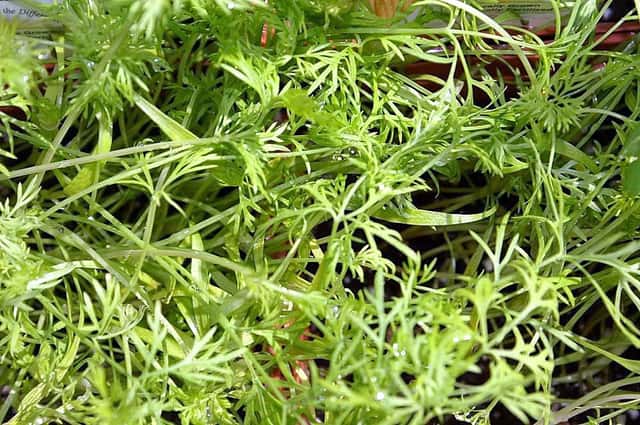
Dill (Anethum graveolens) is a easy-care plant from the Apiaceae family. Dill (Anethum graveolens) is an annual aromatic herb from the Apiaceae family, native to the Mediterranean and Western Asia. Its feathery, blue-green leaves and aromatic seeds are widely used in cooking, particularly in pickles, sauces, and fish dishes. The plant can reach up to 150 cm in height and...
Dill grows up to 1.5m, spread of 45cm, watering every 3 days, 5°C – 30°C, 40–70% humidity. It is suitable for indoor environments and safe for pets.
Unlike many tropical plants, Dill tolerates watering mistakes. Best for beginners. Unlike many popular species, Dill is safe to keep around pets. Without adequate drainage, root rot can develop within 7 days.
How to Care for Dill?
TLDR: Dill needs Direct sun, watering every 3 days, and temperatures between 5-30°C with 40-70% humidity.
How Often Should You Water Dill?
Water dill every 3 days, or when the top of the soil feels dry to the touch. Avoid waterlogging to prevent root rot. Water at the base of the plant and avoid wetting the foliage.
How Much Light Does Dill Need?
Dill needs at least 6 to 8 hours of direct sunlight per day. Place it in a location with full sun exposure, such as south-facing windows or open garden beds.
What Is the Best Soil for Dill?
Use a light, well-draining soil rich in organic matter. A sandy or mixed substrate with perlite is ideal. The optimal pH range is 5.5 to 6.5. Avoid heavy clay soils.
What Pot Should You Use for Dill?
Terracotta or clay pot with drainage holes; for garden growing, sow directly into beds.
Care Schedule
Fertilize
Every 30 days
What Is Dill and Where Does It Come From?
Dill (Anethum graveolens) is an annual aromatic herb from the Apiaceae family, native to the Mediterranean and Western Asia. Its feathery, blue-green leaves and aromatic seeds are widely used in cooking, particularly in pickles, sauces, and fish dishes. The plant can reach up to 150 cm in height and produces yellow flowers in umbels during summer.
How to Propagate Dill?
Direct Sowing
Dill does not transplant well — always sow directly in the final location. Avoid planting near fennel as they can cross-pollinate.
- 1 Choose a location with full sun and well-draining soil
- 2 Sow seeds directly into the soil or pot at 0.5 cm depth
- 3 Space seeds or thin plants to 30-45 cm apart
- 4 Keep soil moist until germination (7-14 days)
- 5 Thin out weaker seedlings after germination
Materials needed:
How Big Does Dill Grow?
TLDR: Dill can reach up to 1.5m tall with Fast growth rate.
Max height
1.5m
Spread
45cm
Growth rate
Fast
Foliage
Deciduous
Plant Uses
Edible
Can be consumed
Medicinal
Medicinal properties
Aromatic
Pleasant fragrance
Ornamental
Great for decoration
Medicinal Uses
- Digestive aid
- Relief from colic and bloating
- Antispasmodic properties
- Mild calming effect
Culinary Uses
- Pickles and brines
- Sauces for fish and seafood
- Salads and soups
- Breads and cheeses
- Scandinavian and Eastern European dishes
Is your plant showing symptoms?
Click on the symptom to discover possible causes:
What Diseases Commonly Affect Dill?
TLDR: Dill is susceptible to 9 known diseases. Monitor regularly for early detection.
Aphids
Aphids are small, soft-bodied, pear-shaped insects (1/16 to 1/8 inch long) that feed by sucking nutrient-rich sap from plants. They reproduce rapidly and can quickly weaken plants, causing distorted growth and transmitting plant viruses. Aphids come in various colors including green, black, red, yellow, brown, and gray. They secrete honeydew, a sticky substance that attracts ants and encourages sooty mold growth.
Powdery Mildew
Powdery mildew is a common fungal disease caused by various fungi species including Erysiphe, Podosphaera, Oïdium, and Leveillula. It affects over 10,000 plant species worldwide. The disease thrives in warm, dry climates with high humidity and appears as a distinctive white powdery coating on plant surfaces.
Downy Mildew
Downy mildew is a fungal-like disease caused by oomycetes (water molds) that thrives in cool, wet conditions. It affects a wide range of plants, causing yellowing leaves with fuzzy white-gray growth underneath, leading to defoliation and reduced yields if left untreated.
Cercospora Leaf Spot
Cercospora leaf spot is a common fungal disease caused by Cercospora species that affects many plant types, particularly beets, roses, and leafy vegetables. The disease thrives in warm, humid conditions and can cause significant defoliation, reducing plant vigor and yield. It spreads rapidly through water splash, wind, and contaminated tools.
Meaning & Symbolism
In Mediterranean cultures, dill symbolizes protection and good fortune. It was used in ancient times to ward off evil spirits and attract prosperity.
Fun Facts
Dill can grow up to 150 cm tall in a single growing season.
Dill flowers attract pollinators, making it a valuable addition to biodiversity gardens.
Dill and fennel are botanical cousins and can cross-pollinate if planted too close together.
In the Middle Ages, dill was used in potions and amulets for protection against spells.
Frequently asked questions
How often should I water dill?
Can dill be grown in a pot?
Is dill toxic to pets?
Why is my dill wilting?
When does dill flower?
Compare with similar plants
| Attribute | Difficulty | Light | Watering | Pet Safe |
|---|---|---|---|---|
| Field Maple | Easy | Bright indirect | 14d | ✓ |
| Silver Birch | Easy | Direct sun | 14d | ✓ |
| Cushion Bush | Easy | Direct sun | 14d | ✓ |
| Peruvian peppertree | Easy | Direct sun | 14d | ⚠️ |